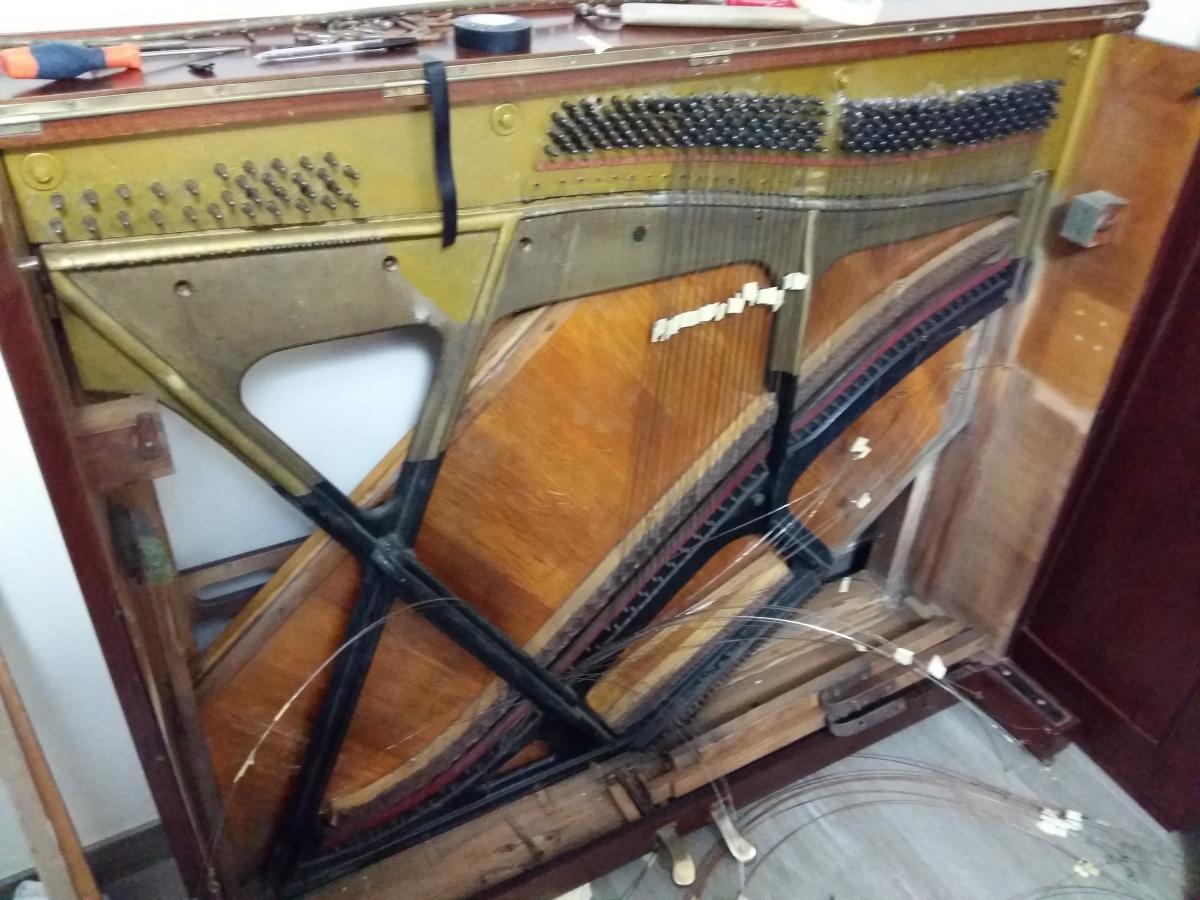
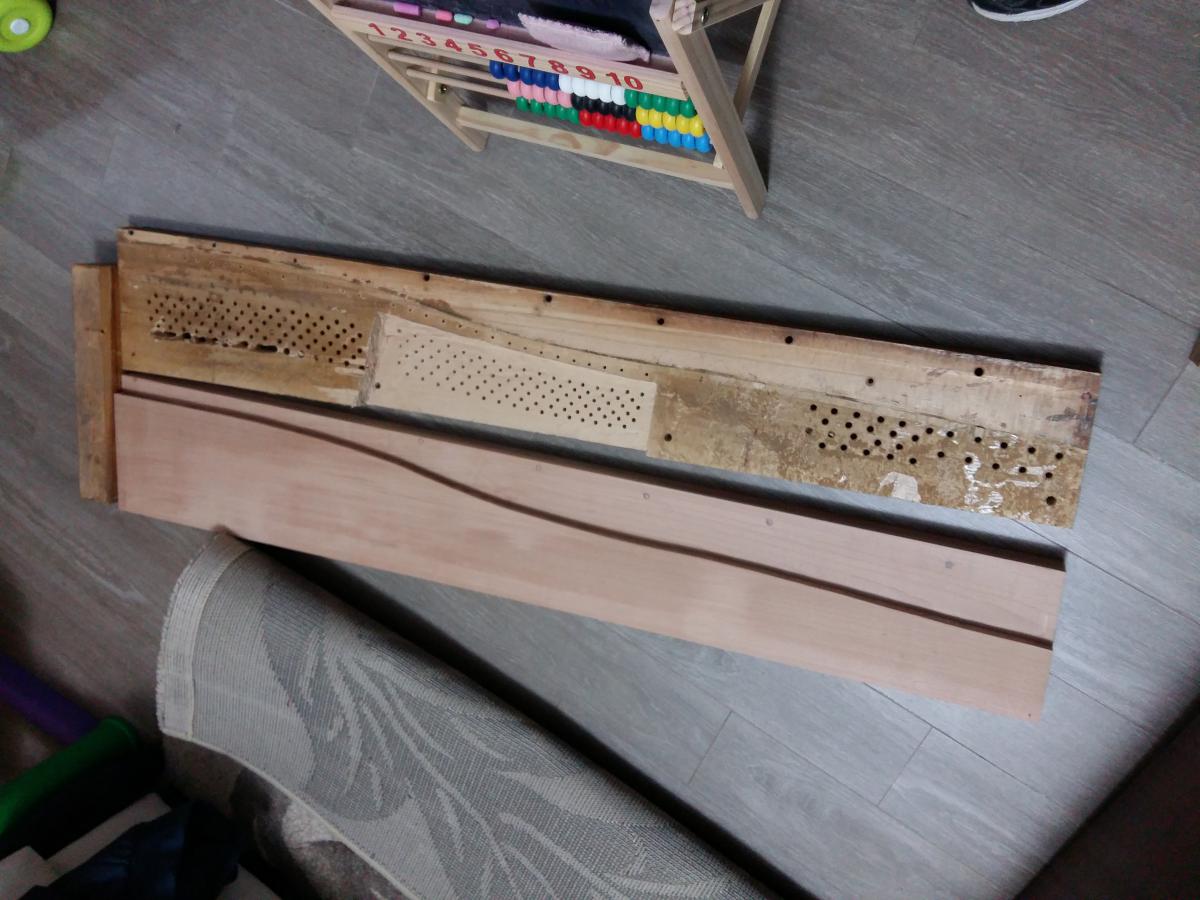
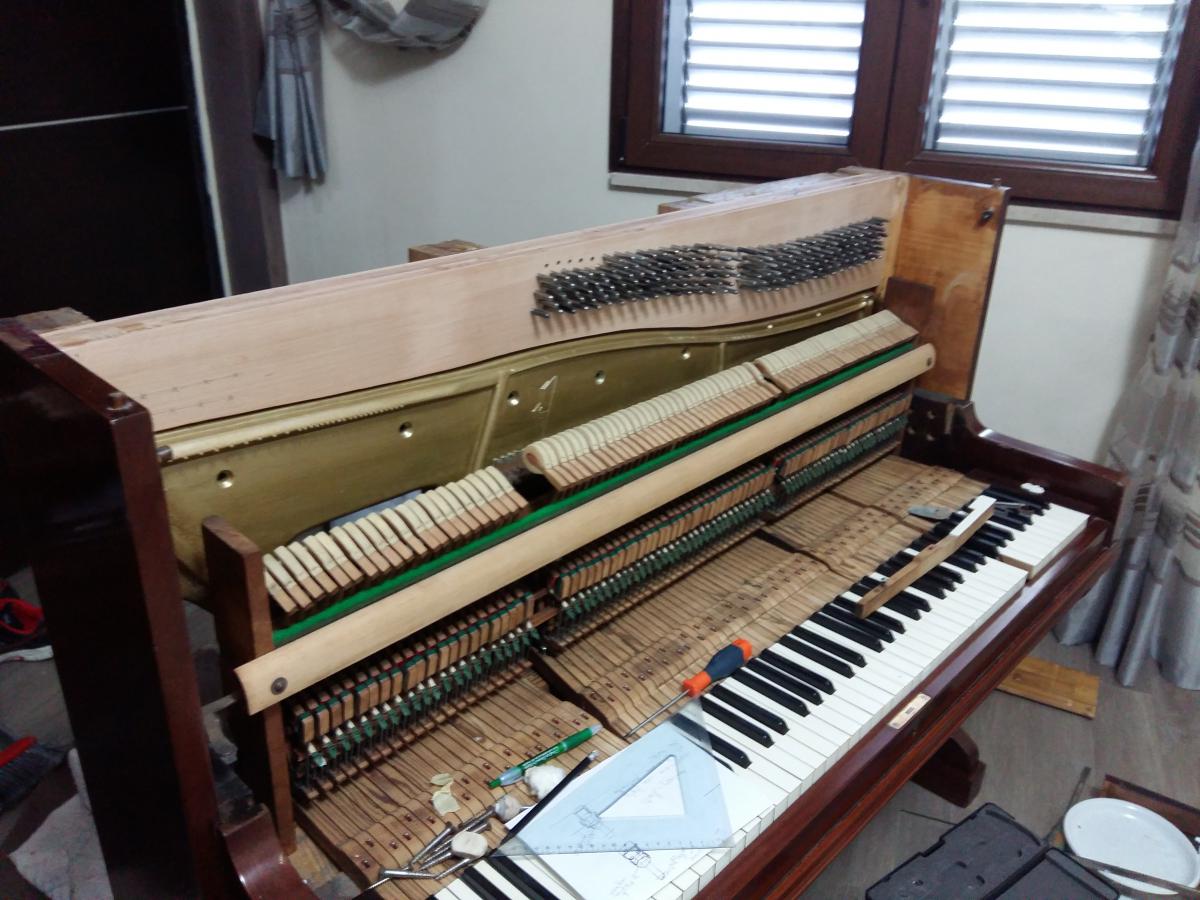
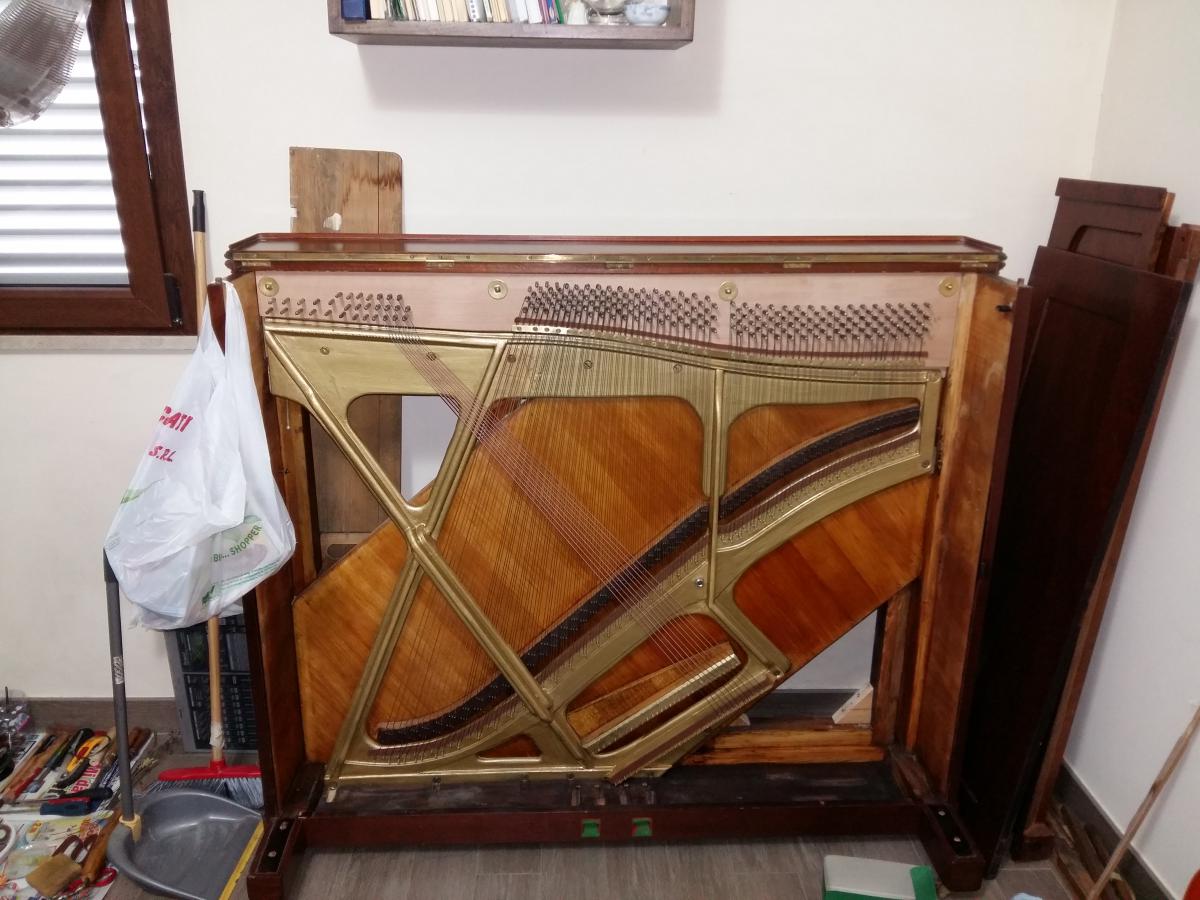
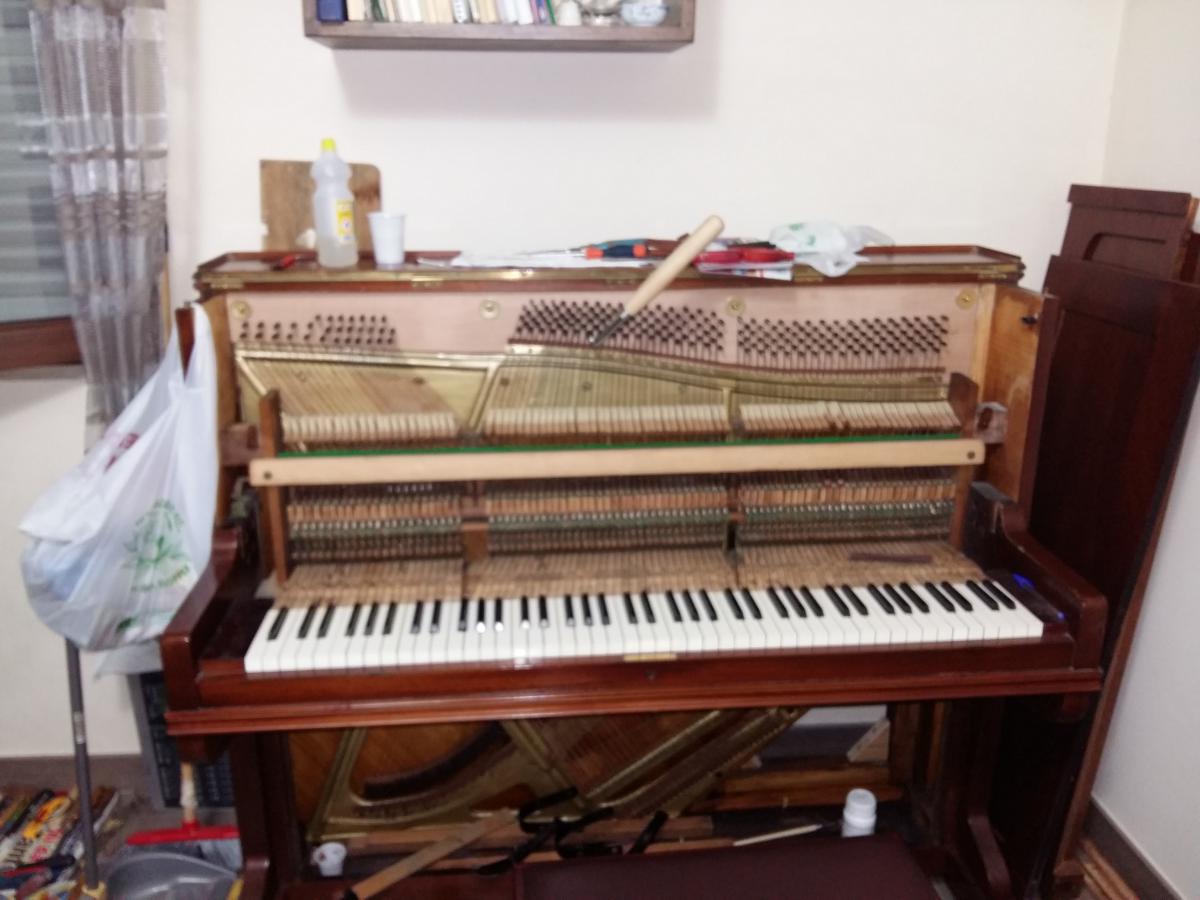
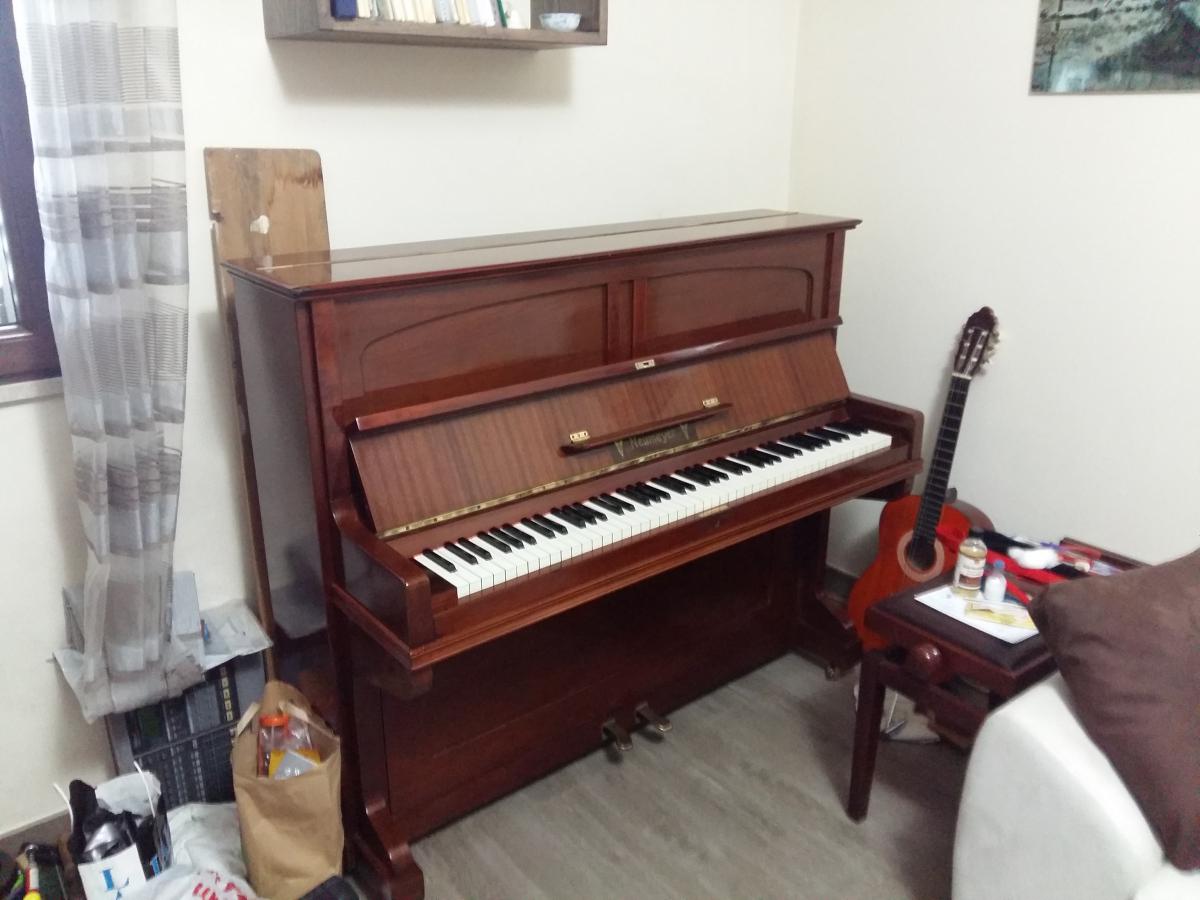
This is the old and new soundboard. Made entirely of cross-laminated beech plywood.
The main problem was this. Besides the soundboard being all unglued and with cracks, fortunately for me, perpendicular to the positioning of the boards.
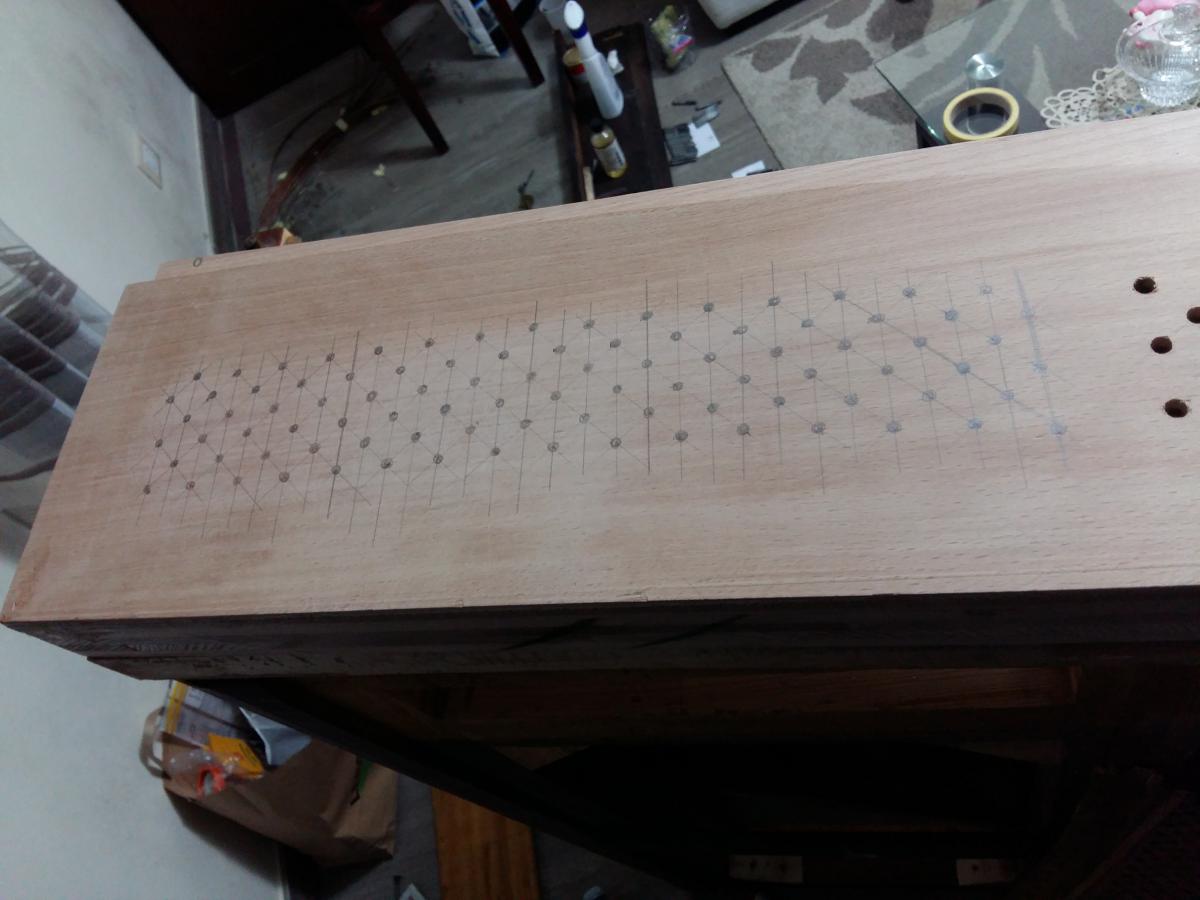
Drawing for repositioning the ankles; everything was misaligned, as they were going to end up on other ankles and the F# strings were going outside the frame border.
What remains for me is the repositioning of the hammers on the strings, leveling, lever balance, restoration of the escapement and damping, and obviously tuning.
For the moment, I prefer to wait a few days so that the strings can settle.......
Now I am asking you, who are super experienced in this world, if I have made too many mistakes.
To me, it seems that more or less everything was done well; the positioning of the pins can also be done by creating a template on the old soundboard with a sheet of paper—you just need to fix some kraft paper and rub graphite over it and it creates itself. You were patient, but the result is what matters.
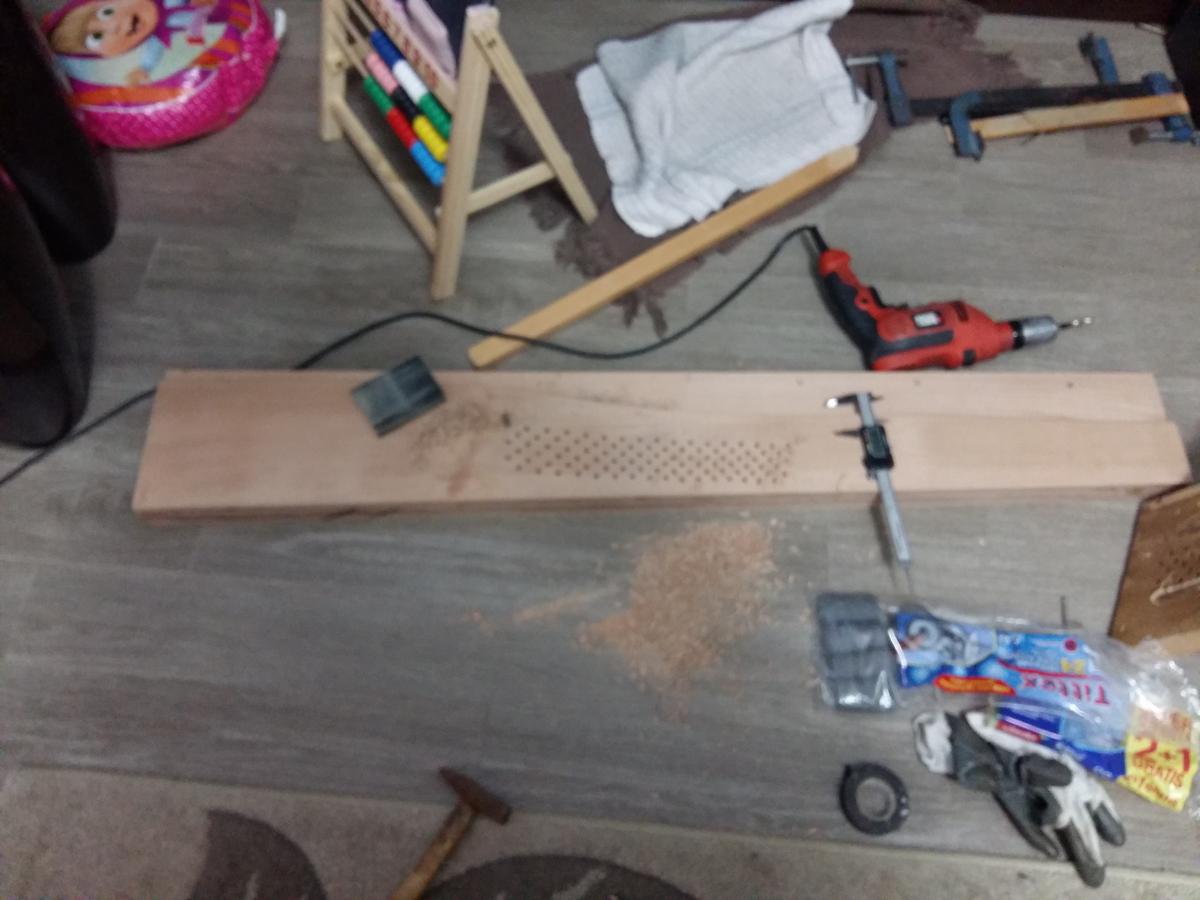
To beat the pins if the piano did not have a soundboard underneath
I would have filled the space behind the soundboard with wood between the soundboard and the rim that should be at the back...
I ankles are partly driven in but also screwed in..... let's say that a bit more than half are driven in and the rest are screwed in
These are philosophies; in history, there are factories where they screwed the ankles completely into the soundboard, others where they just hammered them (except at the end to form the scroll). Today, this is the most used method
The bass bridge was unglued, a part of that long one..... then it was unglued between the soundboard and the structure that holds the board.
Furthermore, it was misaligned in the center....it had sagged and the soundboard had almost flattened.
Additionally, since it is spruce, I repaired the crack with a strip of white fir.
Anyway, the piano could not be heard.... it was completely dead. Now, even though it is out of tune and has not been positioned closed, it sounds 10 times louder....
I sometimes use maple; it is harder and more tenacious, it manages to make its way better through the crack .... Furthermore, it is a resonant wood regardless and is used for violin backs.
It is important that to reglue the soundboard and the soundboard holder he used hot glue and clamps to press it well
The points of the bridge are not glued; they are driven in with hammer blows like pegs, and when they don't hold, they are replaced with a thicker gauge, otherwise we are back to square one.