Hello everyone, I am opening this thread just to thank Maestro Ferrarelli for the splendid work carried out on the piano in question. Paolo had already helped me by appraising it before the purchase; the piano was already in good condition given its age (1907), with the soundboard still intact and lively, legs, strings, and hammer rail in good condition because they were replaced quite recently. Paolo had only warned me about some work to be done on the tuning pin bushings, the keyboard keybed mortises, and a general check of all the action. After the purchase, I kept the piano in my house for a couple of weeks, then Paolo came and took the action away for the work. Yesterday, two weeks later, he brought the action back to me and I cannot stop thanking him for the work done. After tuning and a (slight) voicing, the piano is no longer the same: as I told Paolo, it now feels like a modern instrument with an ancient heart. The keyboard is responsive, fast, and just the right amount of consistent, while the sound is what it was before but further perfected. A romantic sound that is difficult to describe and to find on modern pianos. An additional gem is provided by the written and photographic report of all the work performed; a very interesting and well-explained document that serves as proof of the piano's maintenance, both for the purpose of a potential resale (though that is not my case) and for the purpose of documenting the long journey of an instrument that, in my opinion, deserves every possible care.
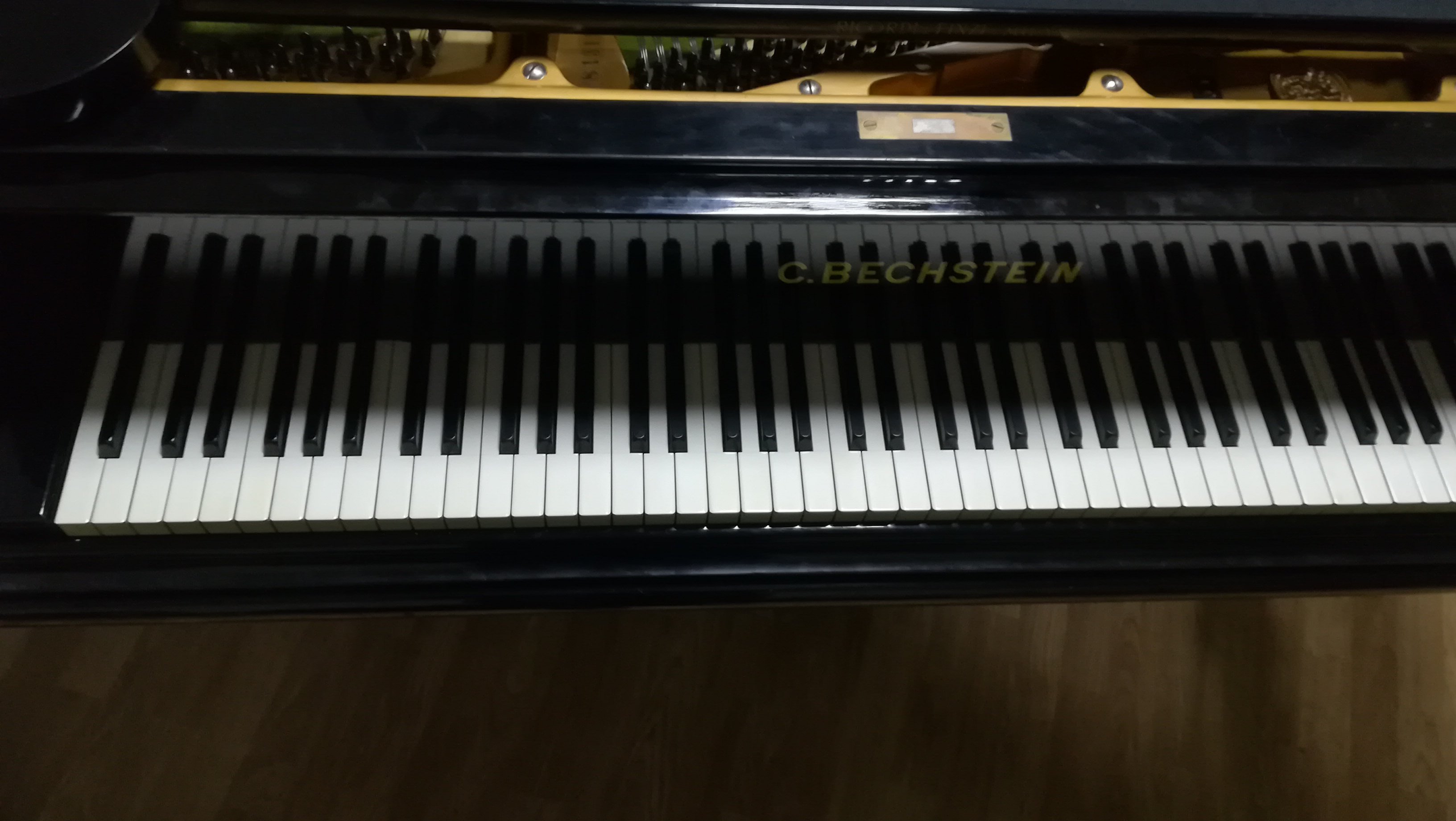
Thank you truly from the bottom of my heart. Domenico is very attentive to his instruments and cares for their efficiency with true dedication. He collaborated with great attention to refine some external parts that have become brilliant once again. With extreme care, he replaced some screws and some external felts of the same size and color, respecting the typical Bechstein look. It is a magnificent instrument that has a beautiful sound and a perfect ivory keyboard. Thank you for appreciating my intervention which has totally restored the efficiency of the mechanics.
I am also curious about the sound of this Bechstein, an instrument with a sound that personally enchants me. I would define it as very intimate and it certainly lends itself better than other pianos to the Romantic repertoire.
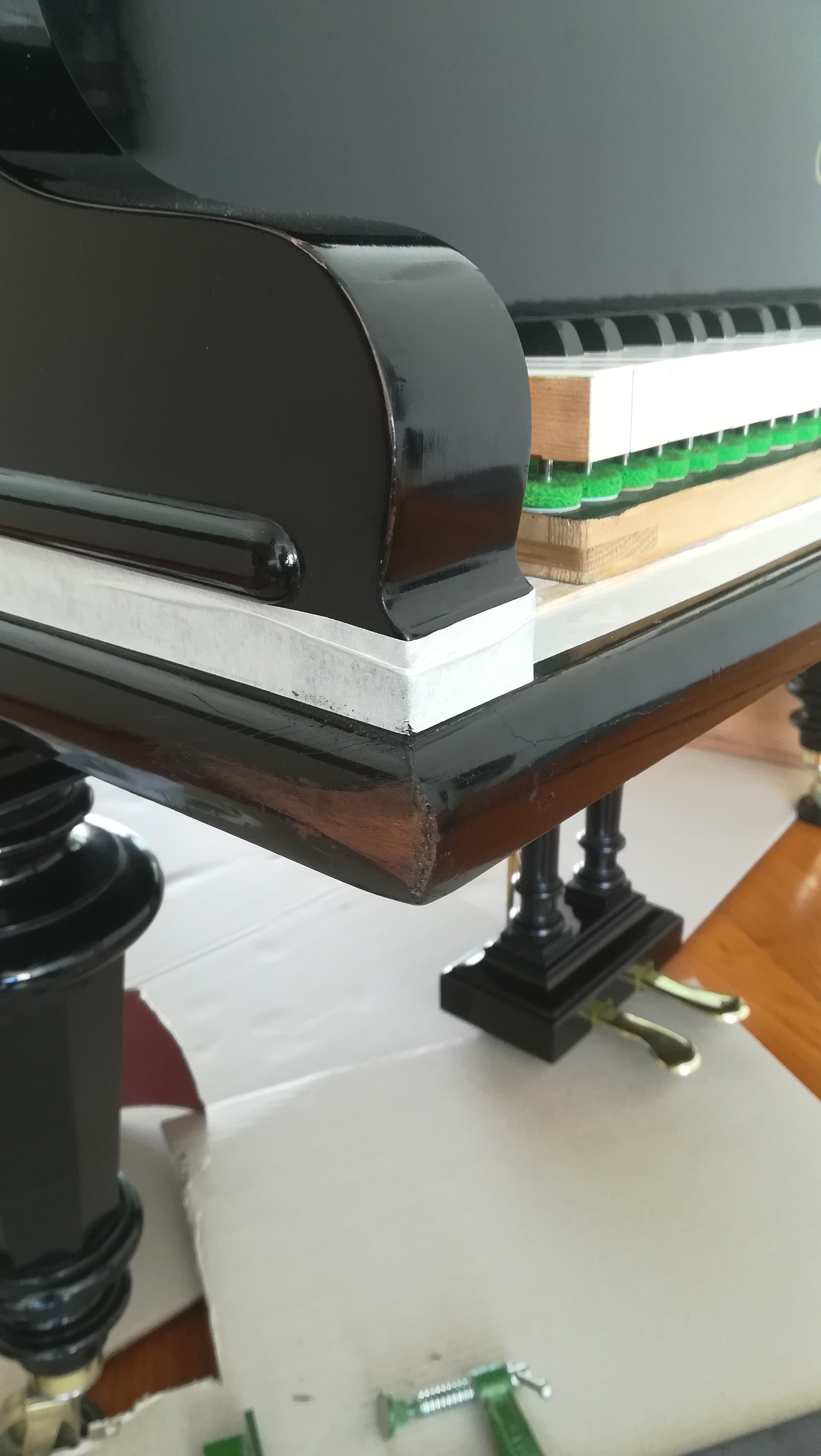
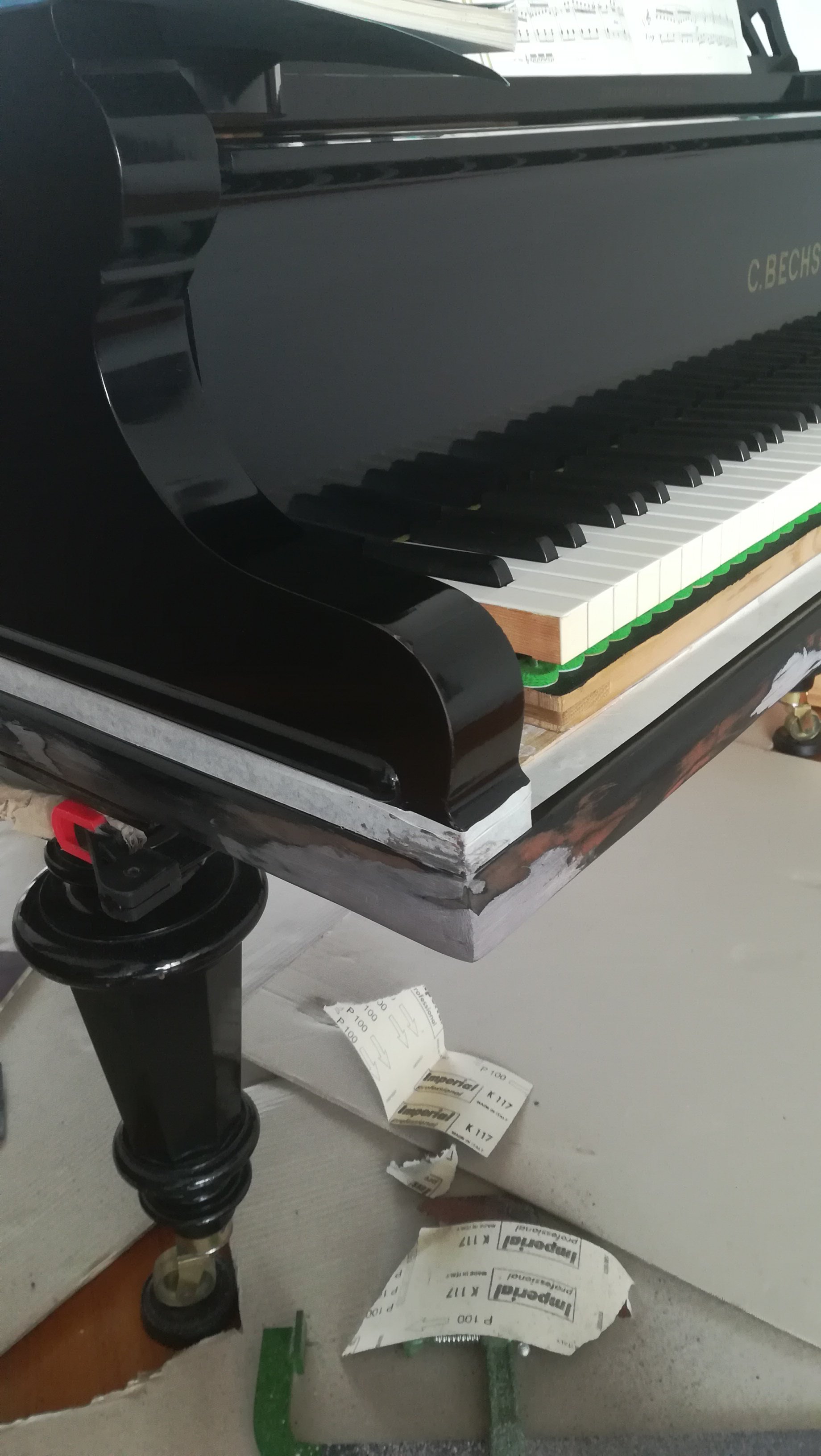
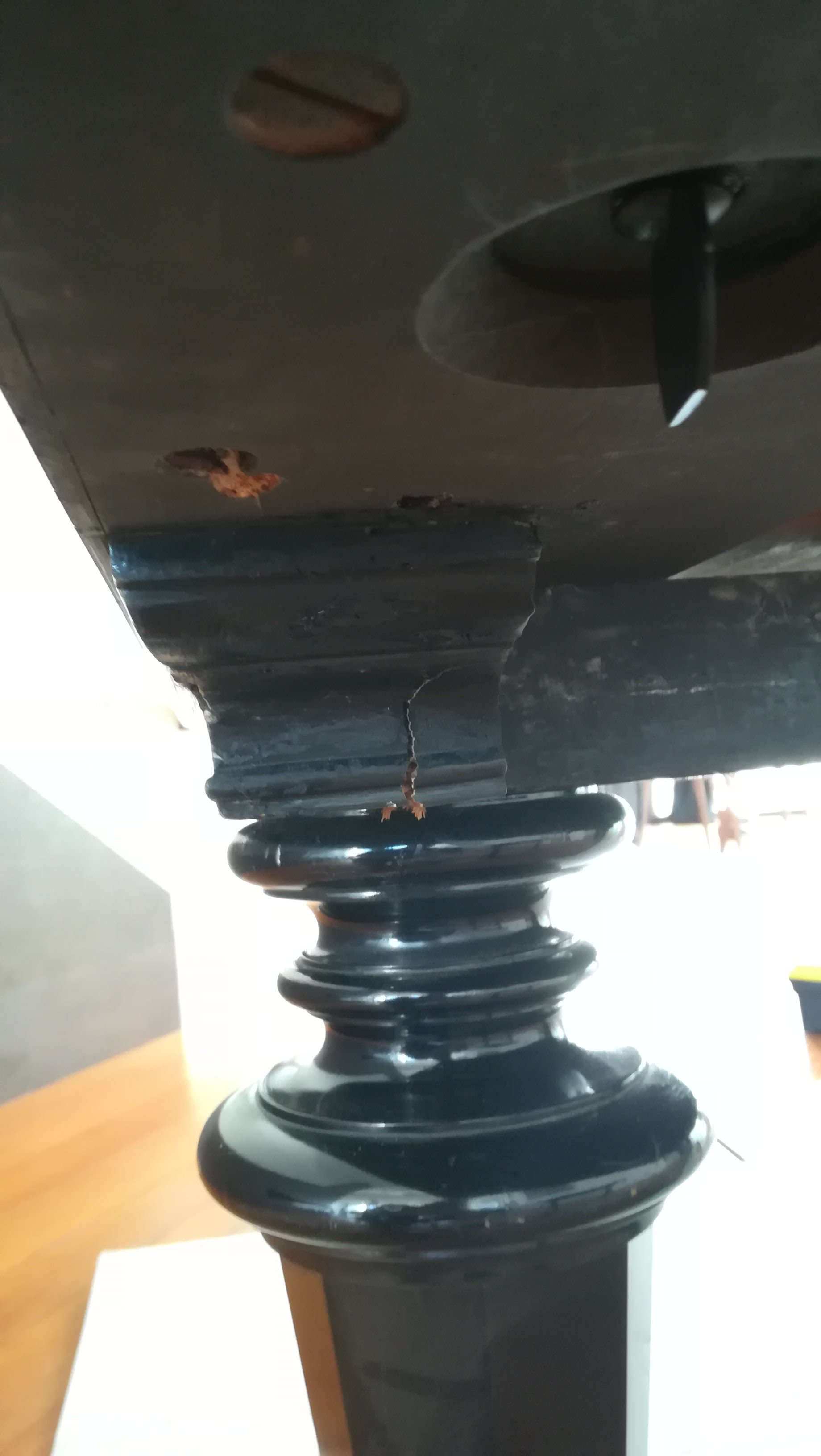
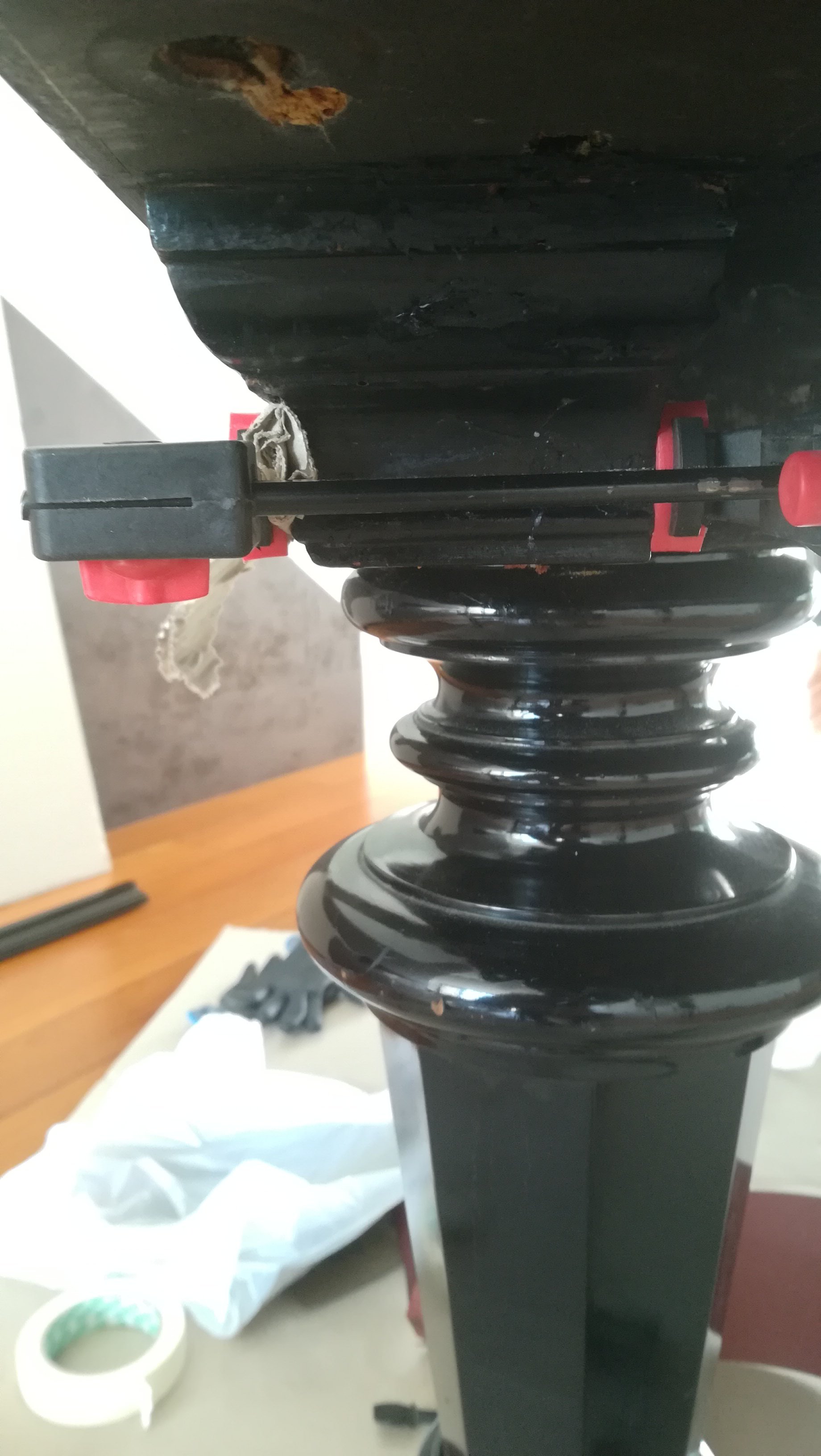
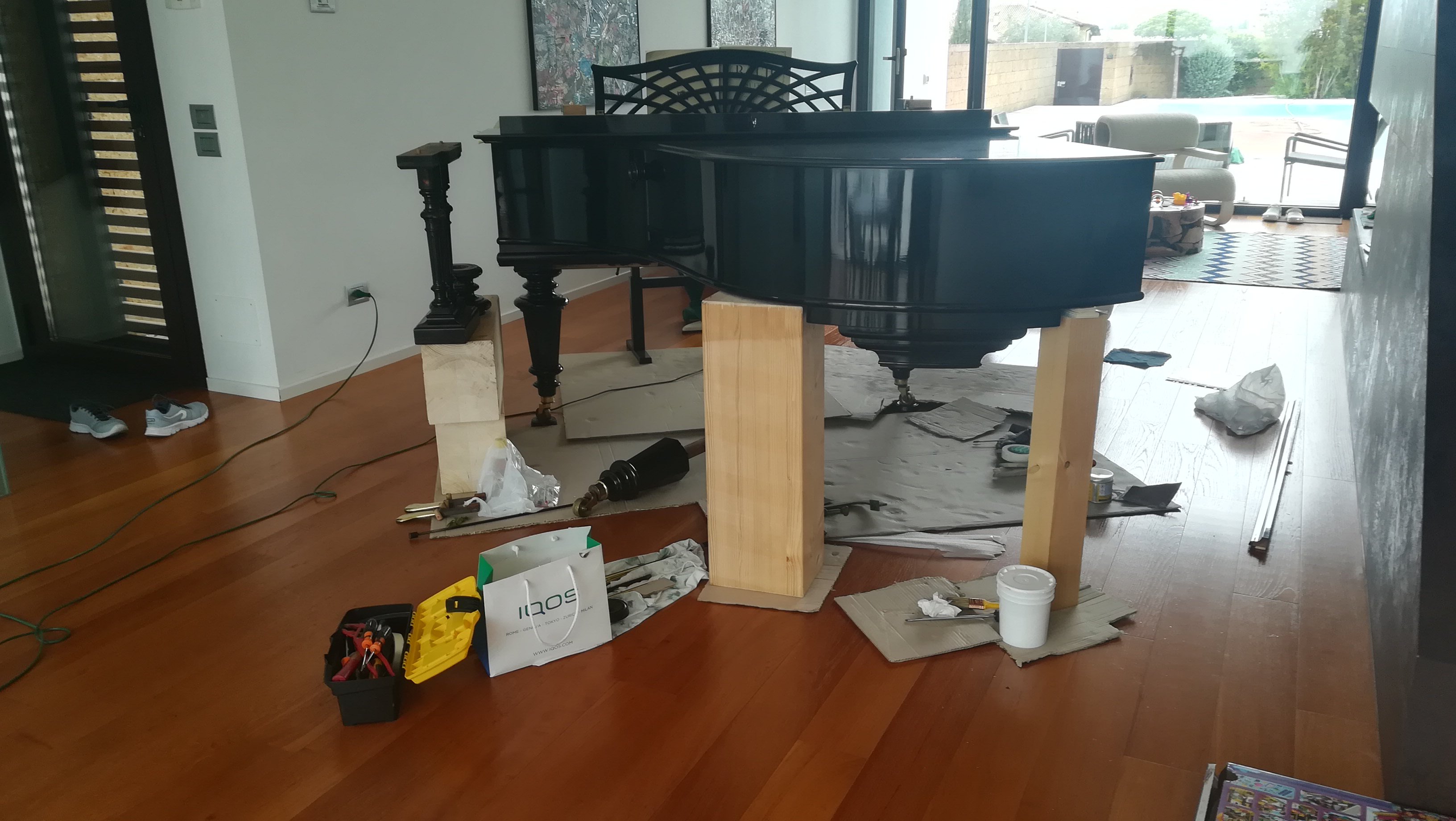
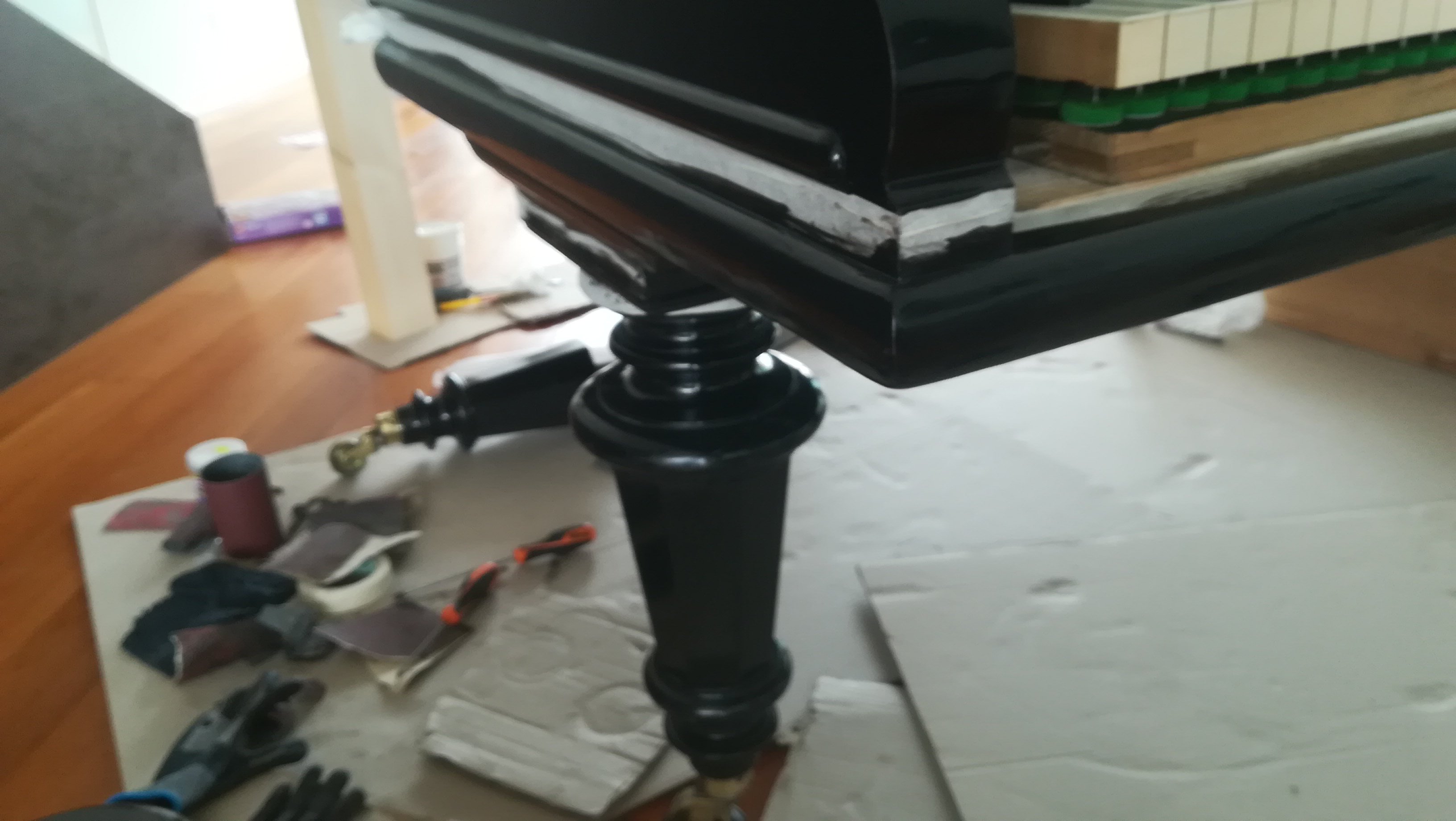
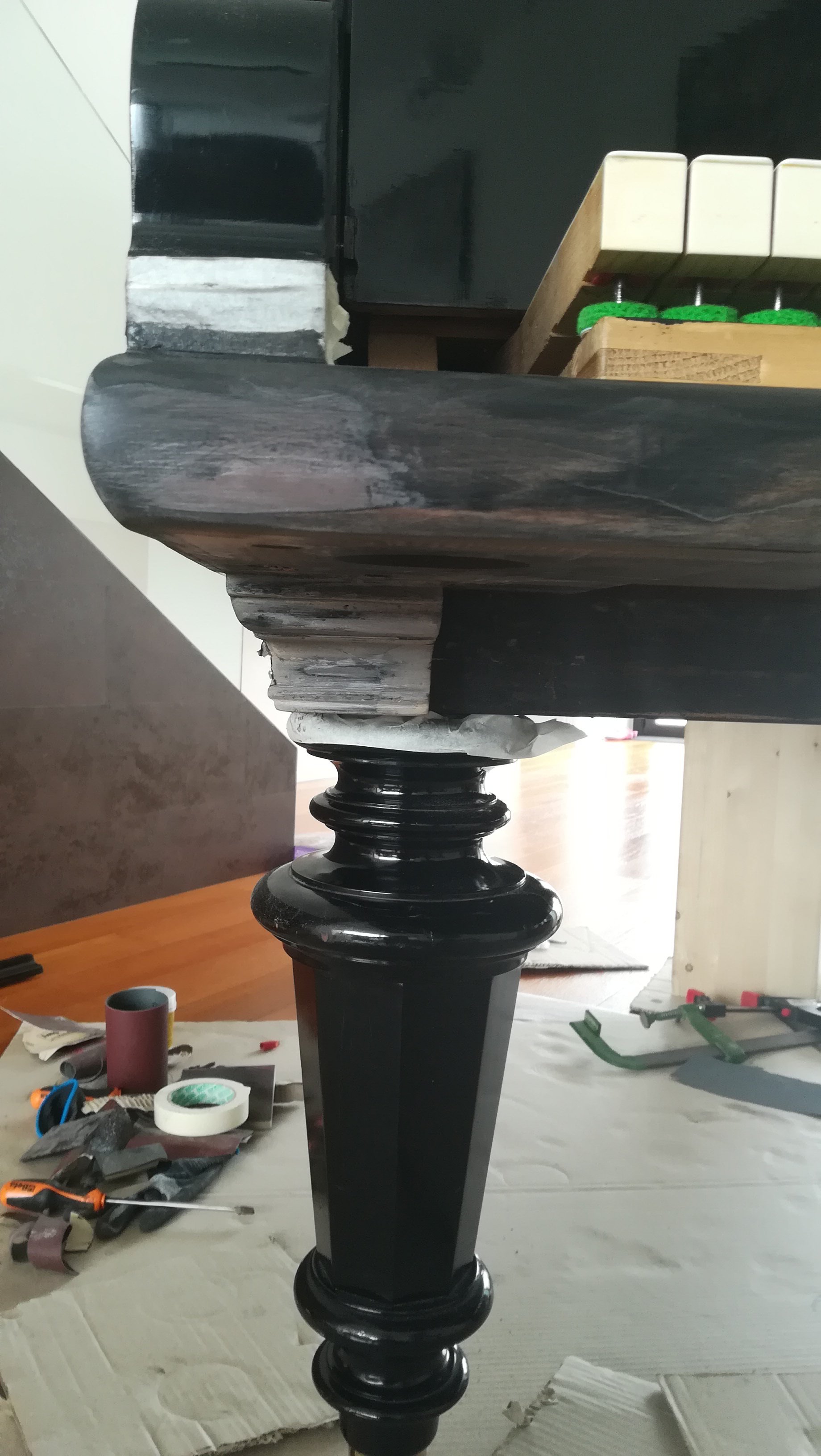
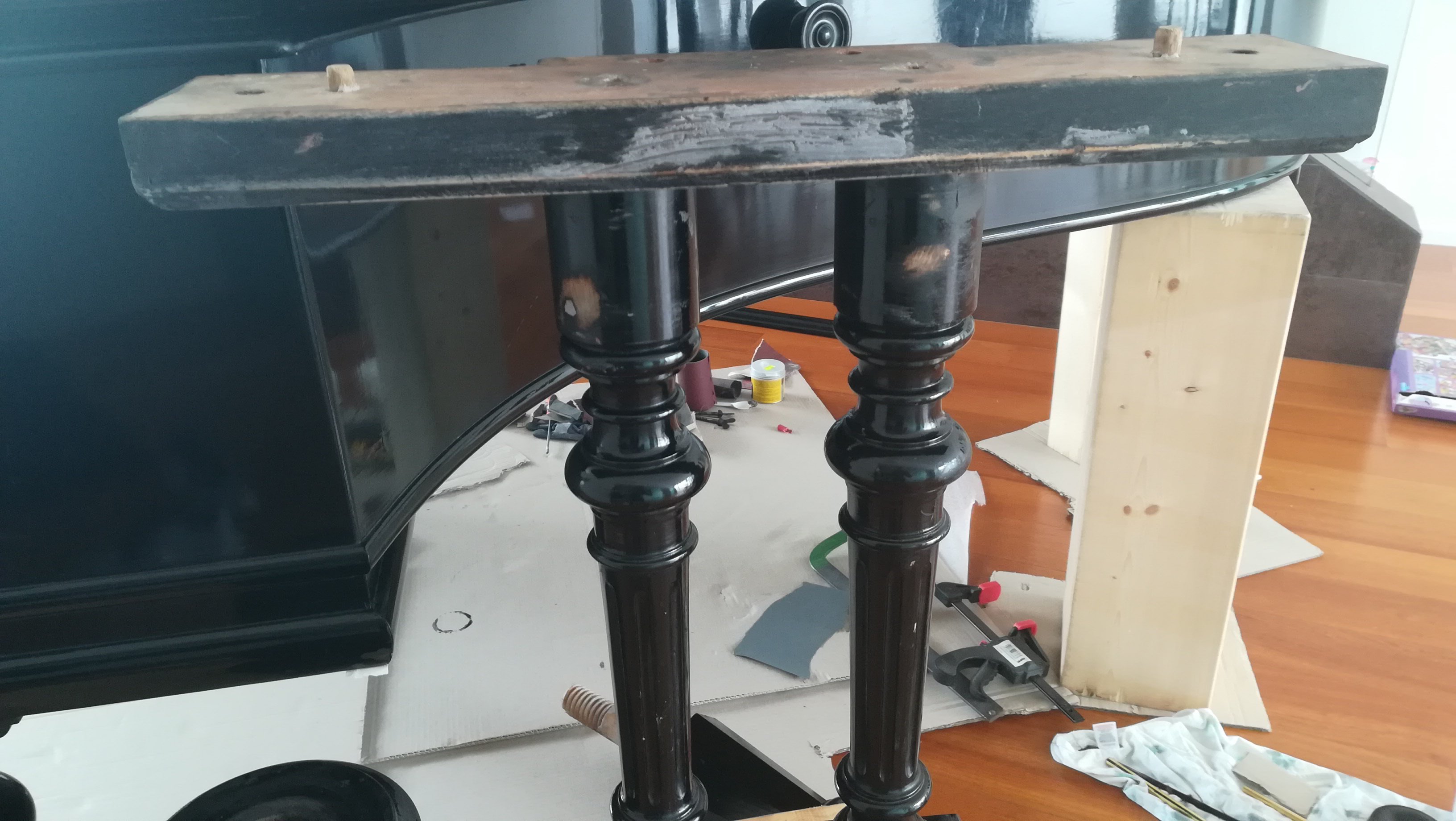
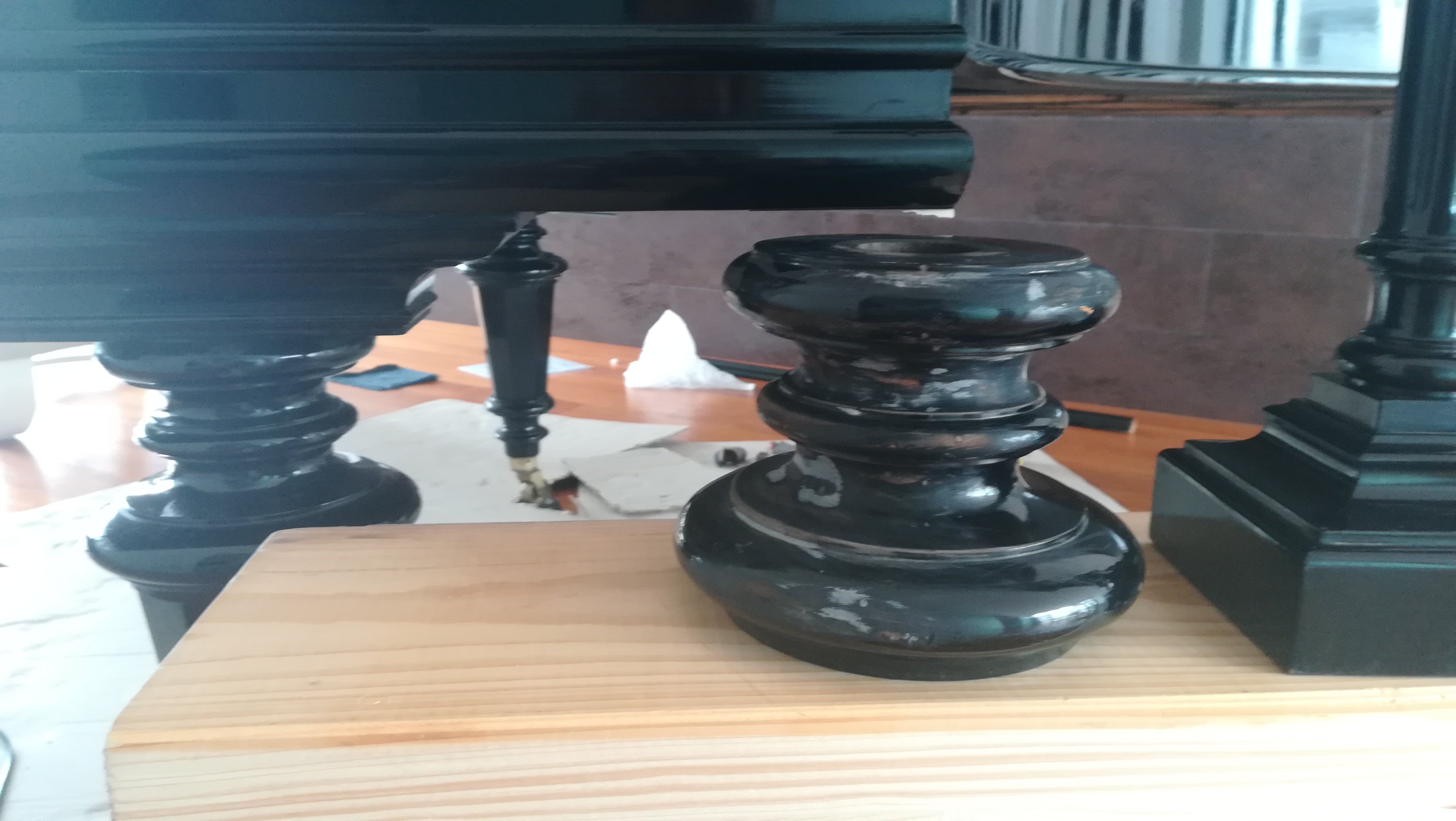
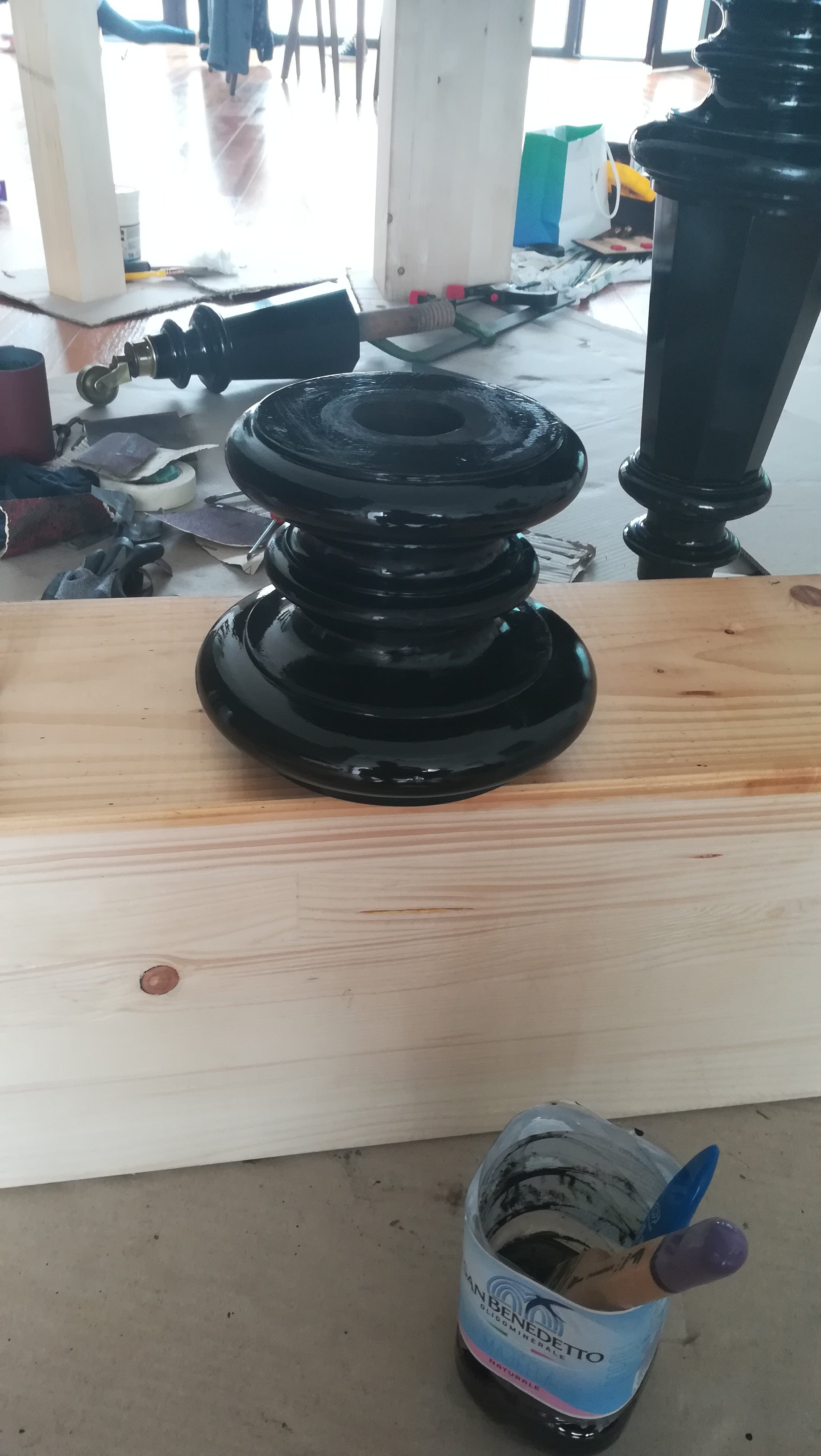
Currently I am dealing with the final stage of the restoration: after having a local paint shop replicate the piano's varnish, I reconstructed the front left corner of the case, keyboard side, where there was a significant dent, and I am making other small touch-ups to the legs. Anyway, as soon as I figure out how to do it, I will upload some photos of the instrument and a video.
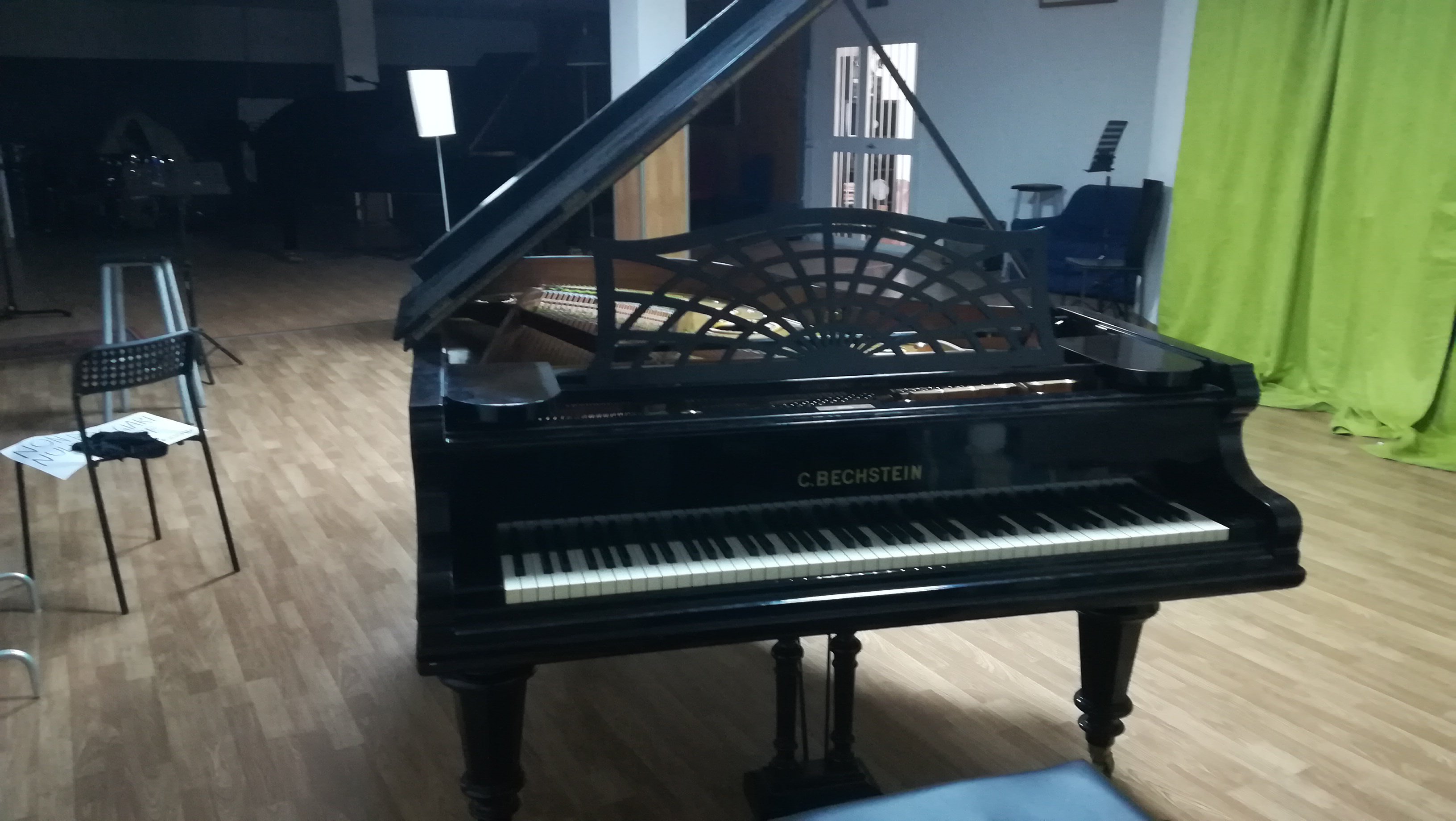
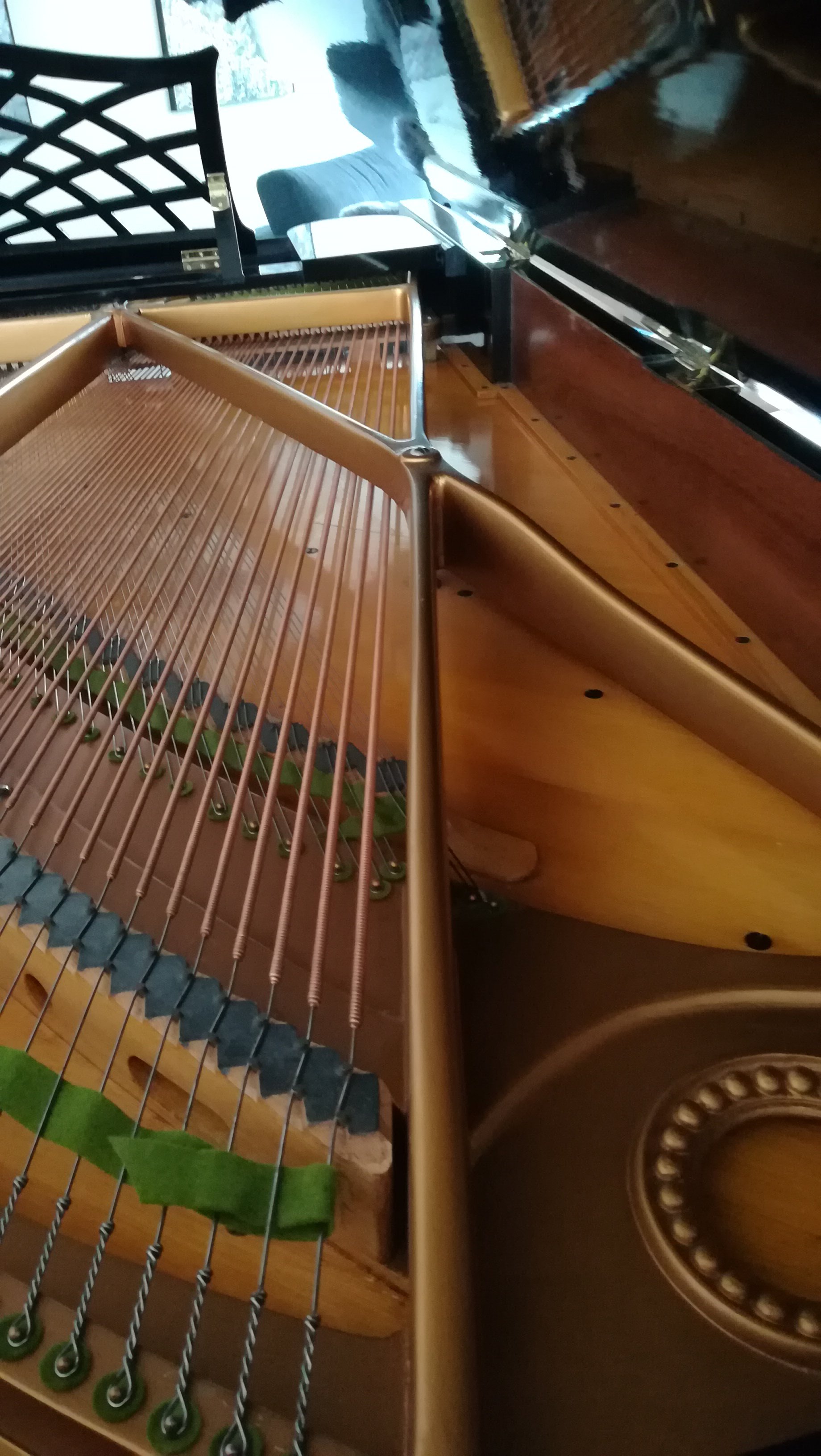
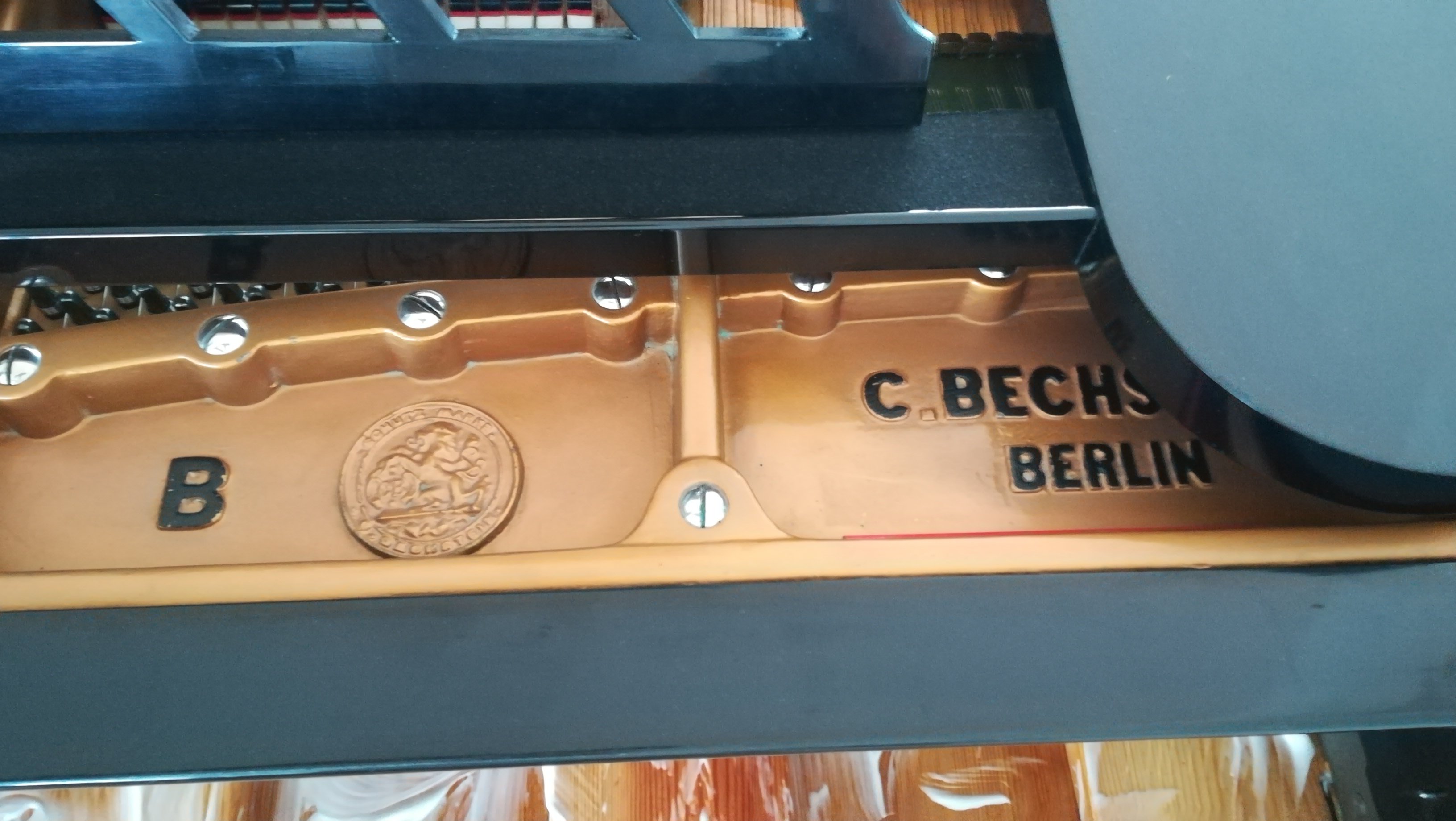
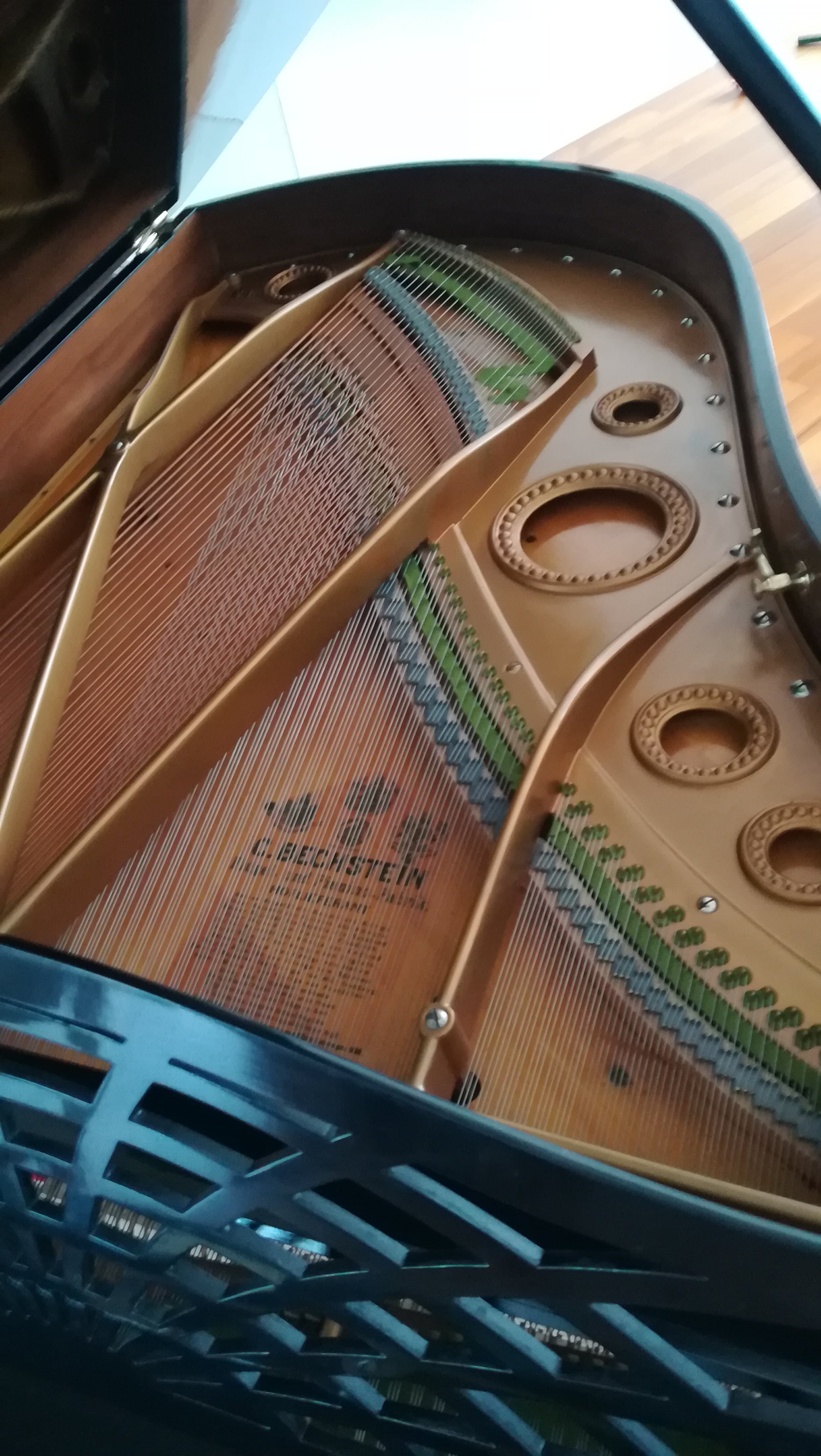
...sorry, I hadn't seen it but uploading files is very simple. In the meantime, I am attaching the photographic documentation of the piano: first in the studio where I found it, then at my house where work is currently underway...
Hello everyone, I am opening this thread just to thank Maestro Ferrarelli for the splendid work carried out on the piano in question. Paolo had already helped me by appraising it before the purchase; the piano was already in good condition given its age (1907), with the soundboard still intact and charged, legs, strings, and hammer rail in good condition because they were replaced quite recently. Paolo had only warned me about some work to be done on the hitch pin rails, the keyboard keybed mortises, and a general check of all the action. After the purchase, I kept the piano in my house for a couple of weeks, then Paolo came and took away the action for the work. Yesterday, two weeks later, he brought the action back to me and I cannot stop thanking him for the work done. After tuning and a (slight) voicing, the piano is no longer the same: as I told Paolo, it now feels like a modern instrument with an ancient heart. The keyboard is ready, fast, and has just the right consistency, while the sound is the same as before but further perfected. A romantic sound that is difficult to describe and to find on modern pianos. An additional gem is provided by the written and photographic report of all the work performed; a very interesting and well-explained document that serves as proof of the piano's maintenance, both in view of a possible resale (but that is not my case) and in view of documenting the long journey of an instrument that, in my opinion, deserves every possible care.
Thank you Paolo, keep it up.
Domenico
Lucky you being in Rome, and above all, being followed by the MAGICAL PAOLO!!
I also never stop thanking Paolo!!! He came to Puglia and refurbished my Pleyel (from 1981, produced in Germany by Schimmel): in my case as well, he took the action with him and practically not only repaired it, but completely redesigned it. The hammer rail was replaced with a lighter Abel one (which gives the piano the typical timbre of a Romantic Pleyel, different from the modern one), all the pins and kazimir were replaced, rebalancing the keyboard to optimal weights (51-47 g descending to even 30 g on some of the more than 25 keys for returns) with truly minimal inertia on a short key (light hammer rail, balancing by lead subtraction, perfect control of friction, shanks that taper starting from the mid-high range, minimum tension of the return spring at the key lever fork, and there is the miracle!). I also have all the photographic material, the old hammer rail (with the shanks!) and the removed lead weights. The beautiful thing is that I could ask him anything without fear of being judged, and he allowed me to help him while I was at home. The piano has changed! Same feeling: "modern" keyboard, very responsive, "antique" timbre (sweet attack, timbre rich in harmonics, greater sustain, dynamic richness, extreme cantabile across all registers). Before he came, it was a different piano. Aside from friction problems, it had an excellent Renner hammer rail but one not suited to that specific piano and the name it bears: heavy, with an "aggressive" attack, less sustain. That hammer rail was counterbalanced by more lead weighting (increase in mass and inertia) and excessive tension of the return springs at the lever fork (in this case, there is a risk of emphasizing any friction and not always having continuous perfect adherence between the key and the heel). And then Paolo's little touches: tapered shanks, conical springs for the key dip (a sense of extreme precision even in pp). I can confirm that a good tuning lasts! Perhaps the unisons move (which I adjust every now and then), but the ratios remain pleasant. For the first time, the bass notes haven't become sharp after a few weeks (on the contrary, on the lowest extremes, one perceives the stretched octave, which produces beats with almost perfect fifths, just the way I like it). It was wonderful working together (he never takes the lead, so he takes his own initiatives, but always by consulting with me).