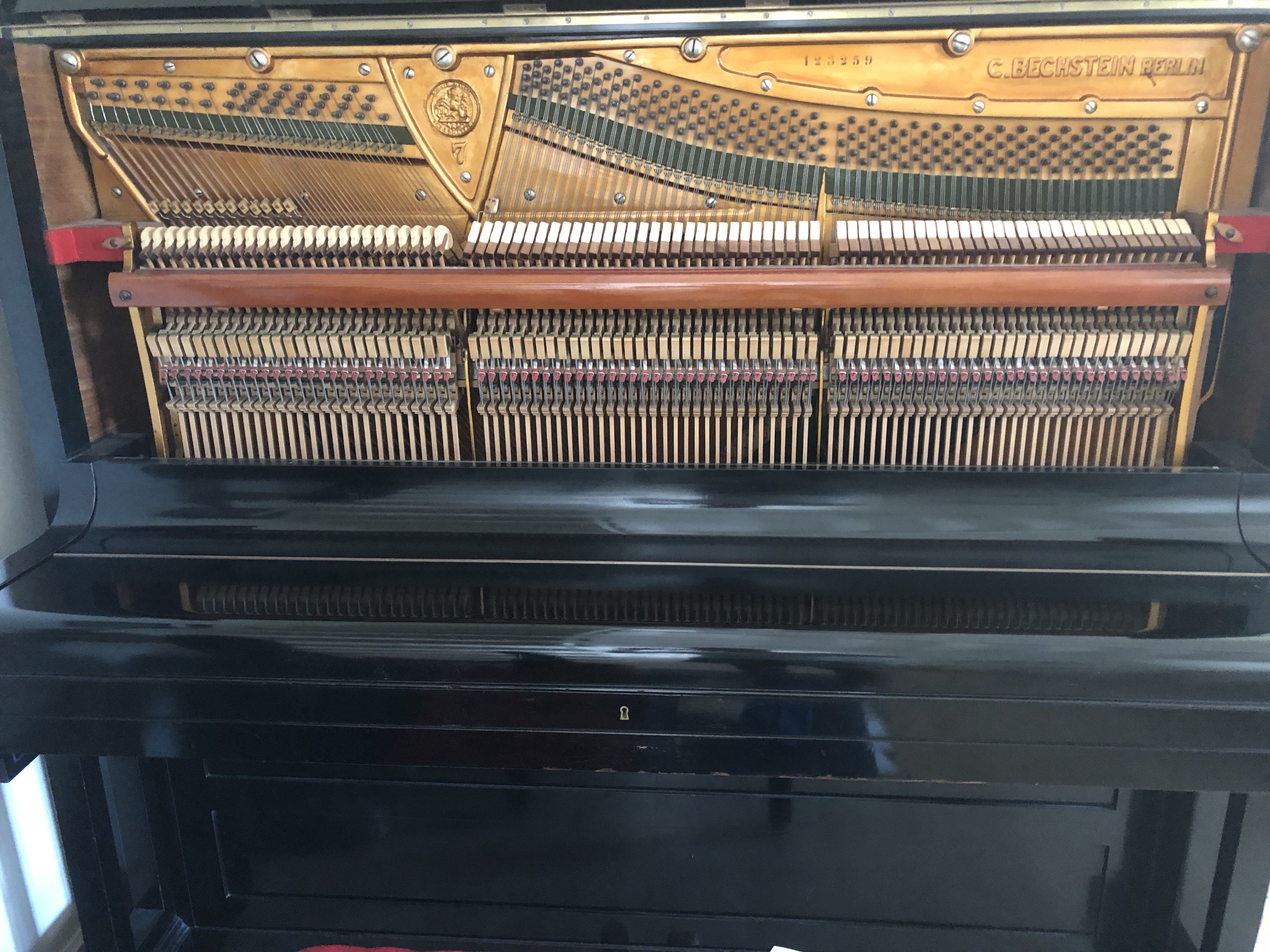
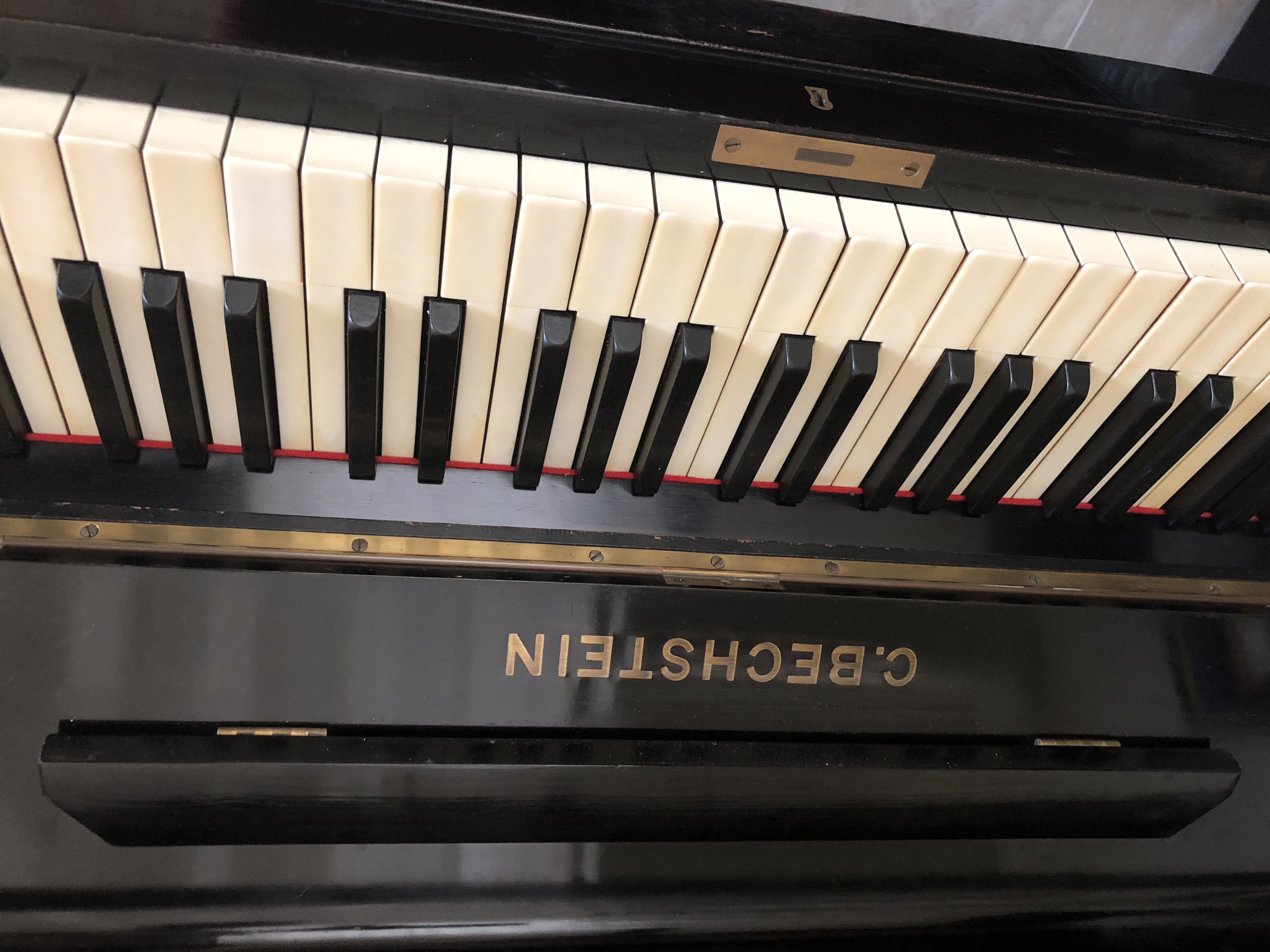
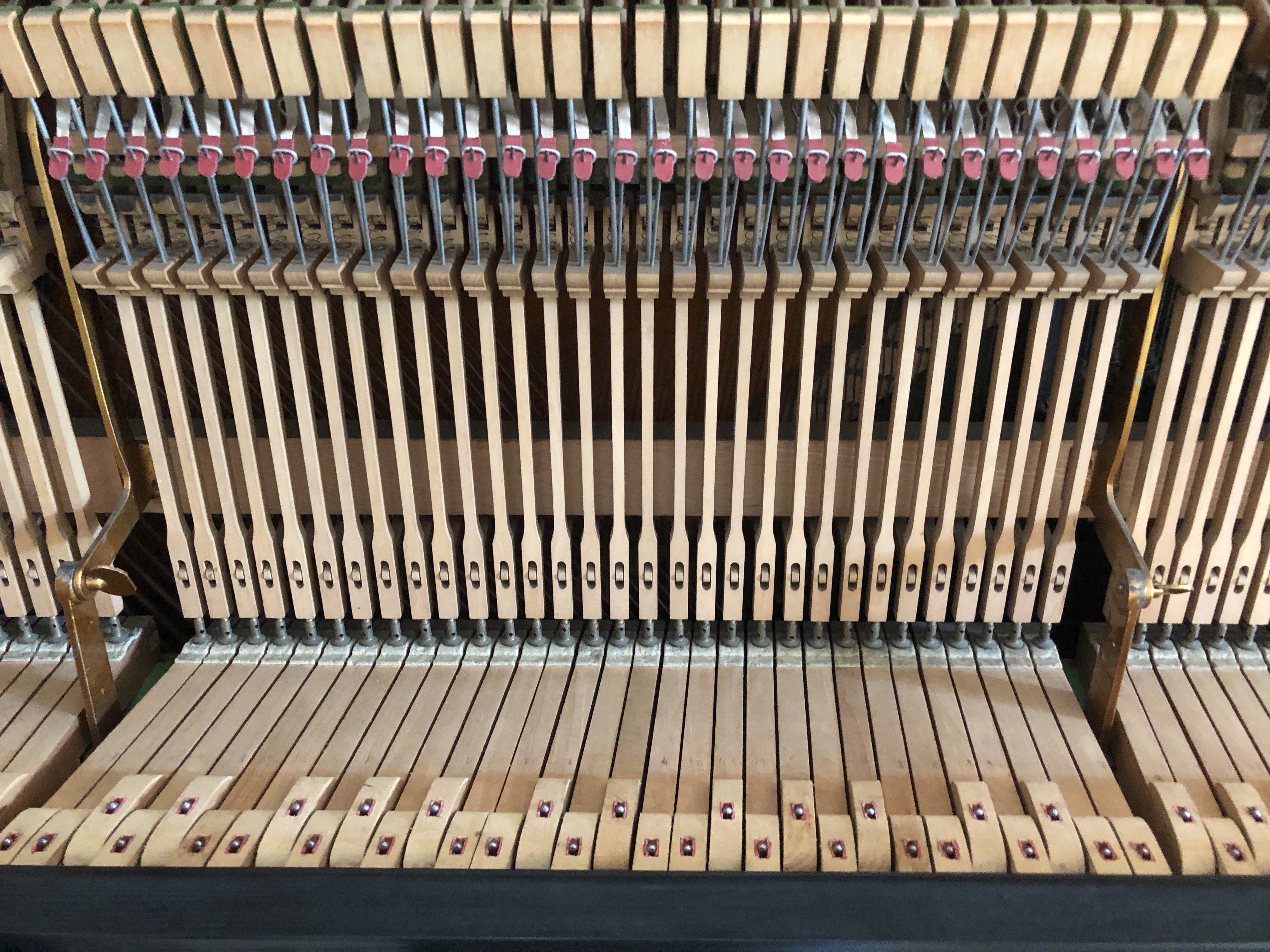
I have a Bechstein upright series 7 that I would like to "restore".
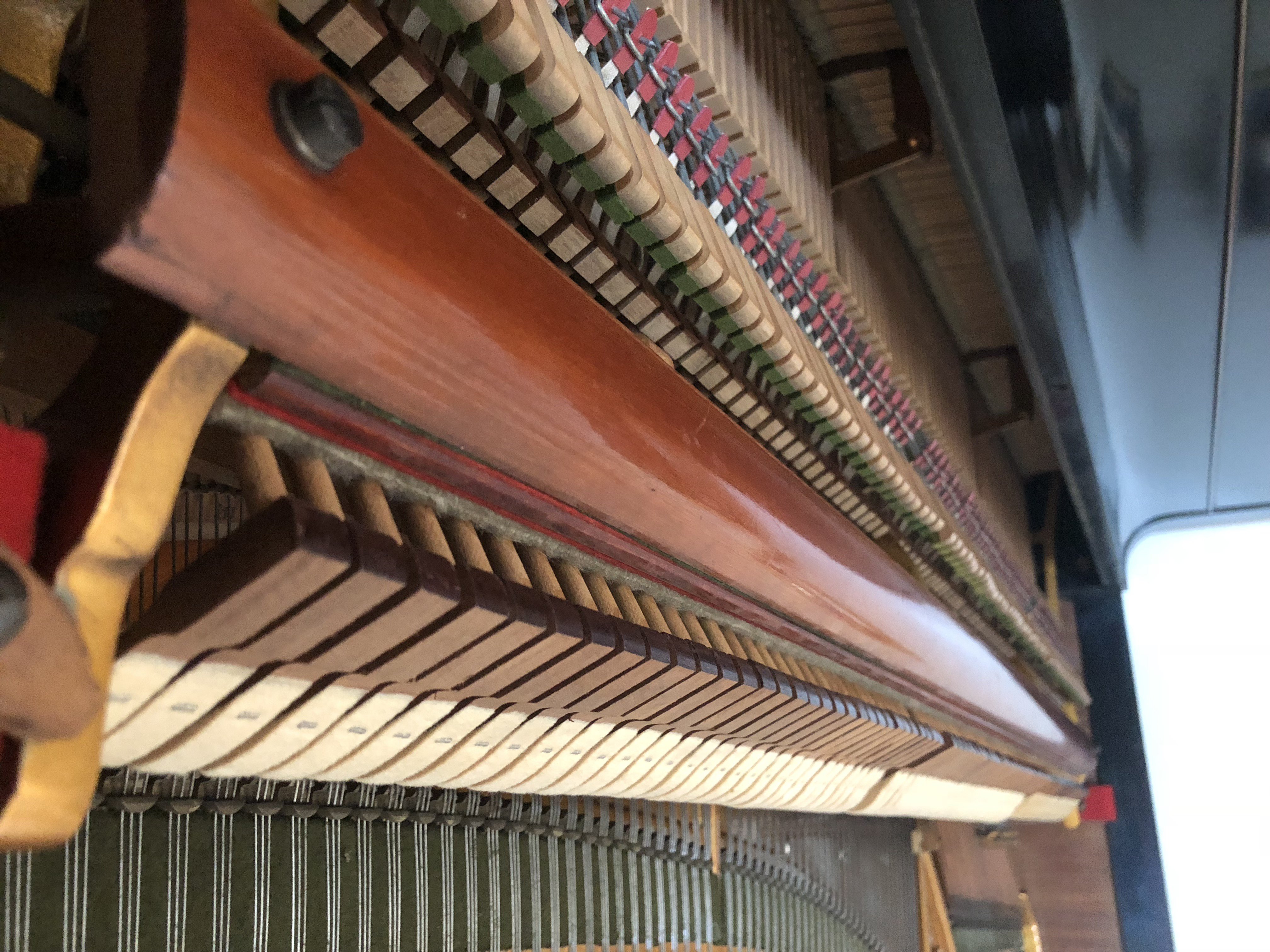
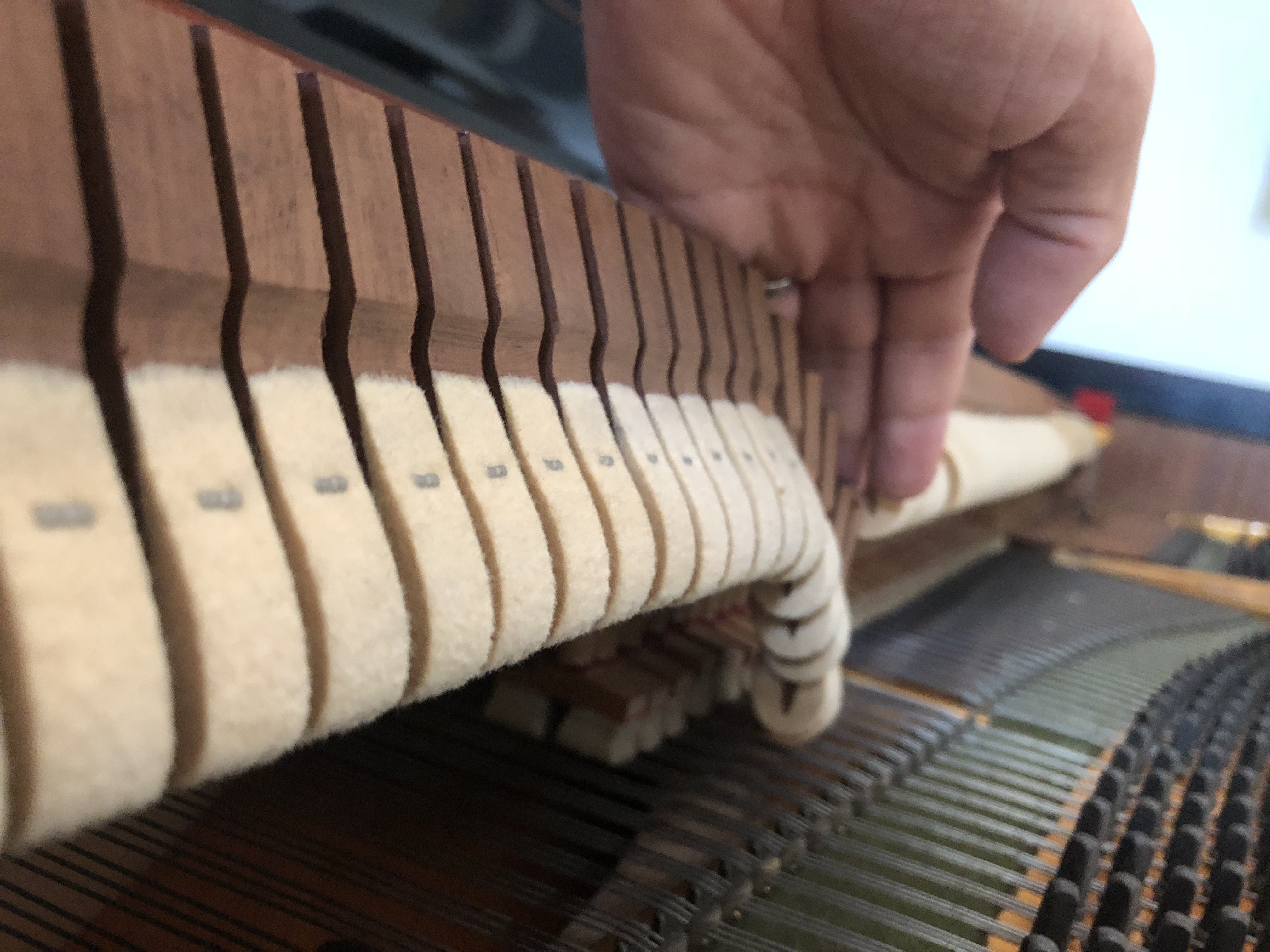
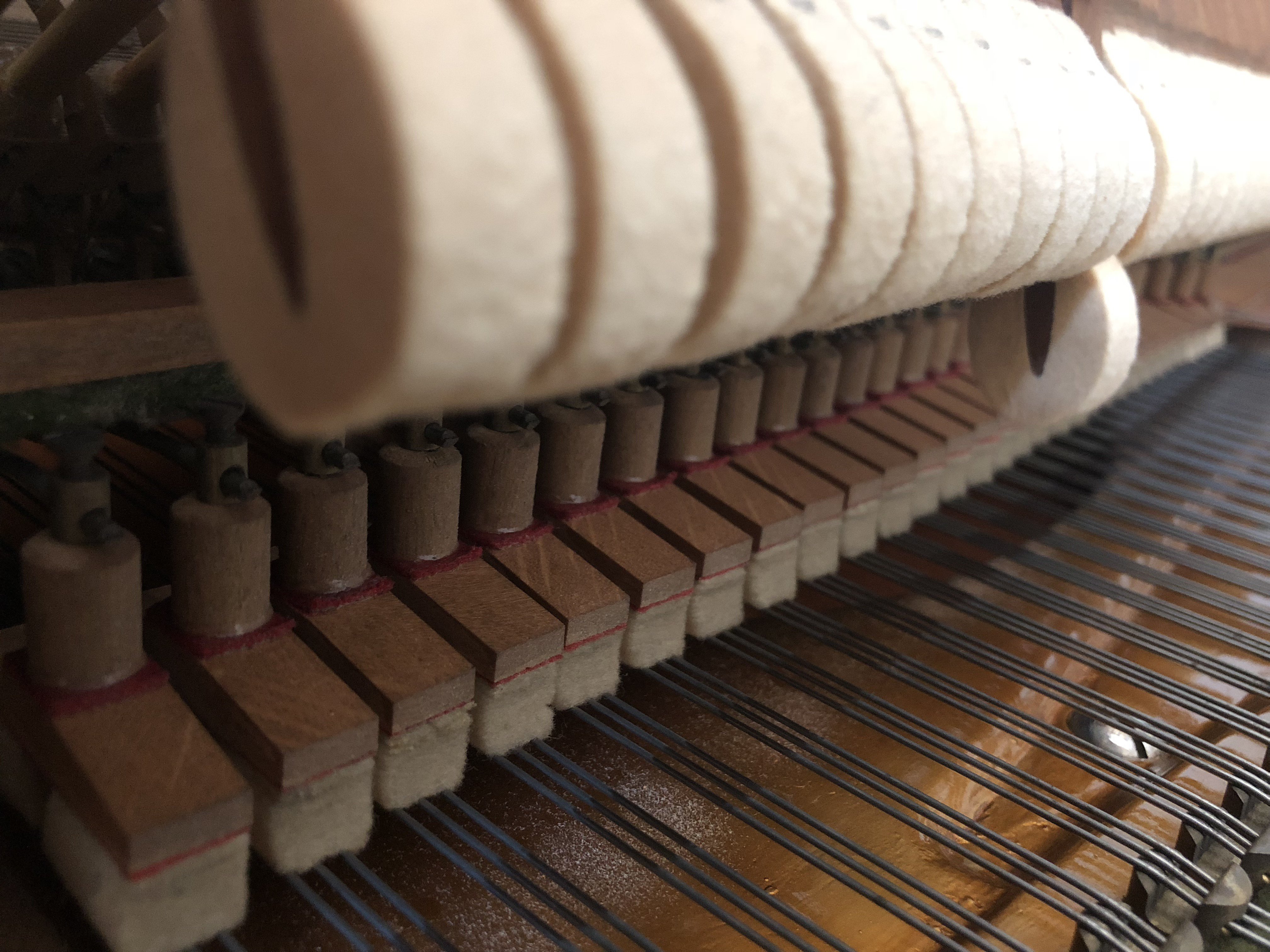
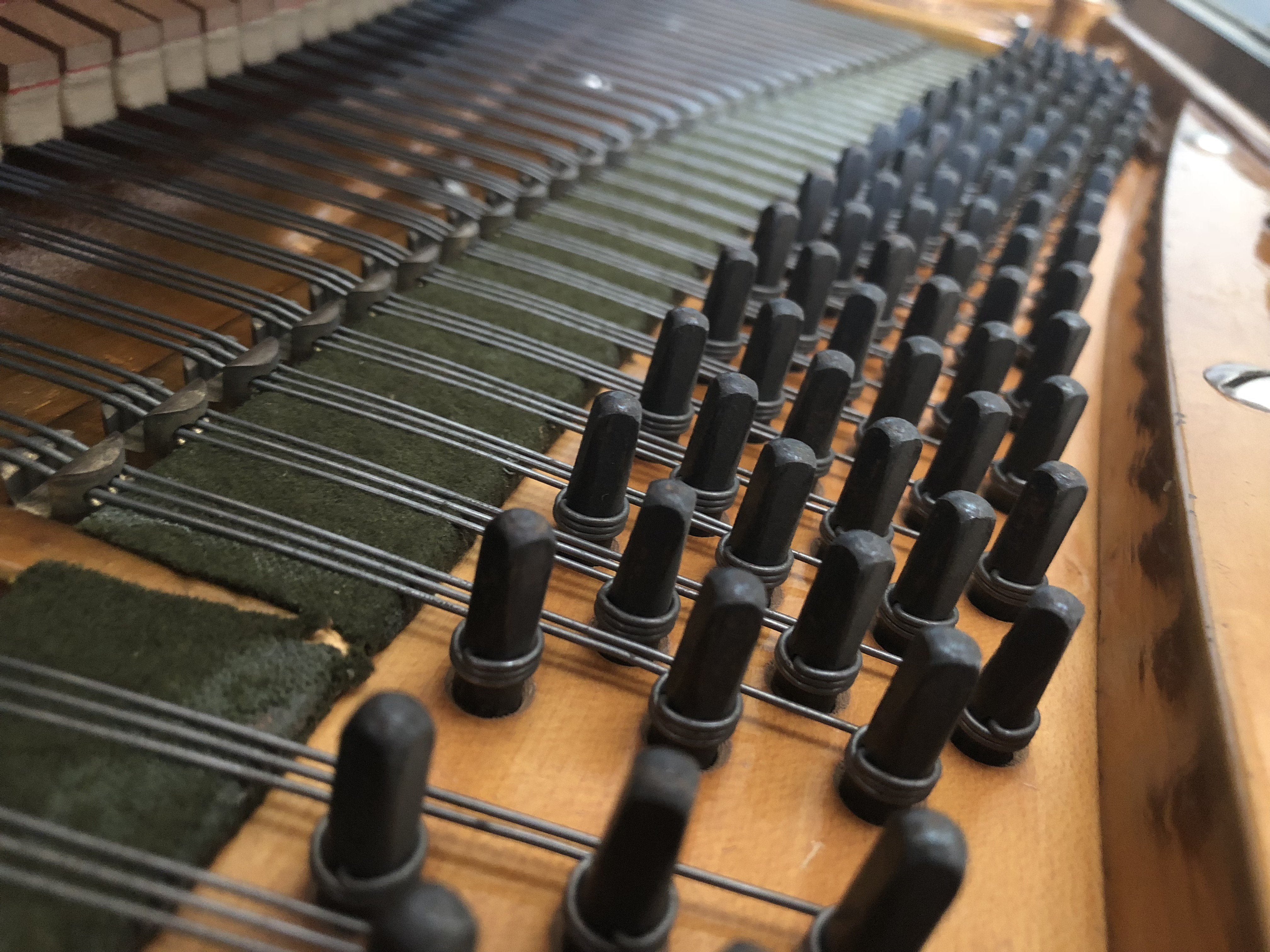
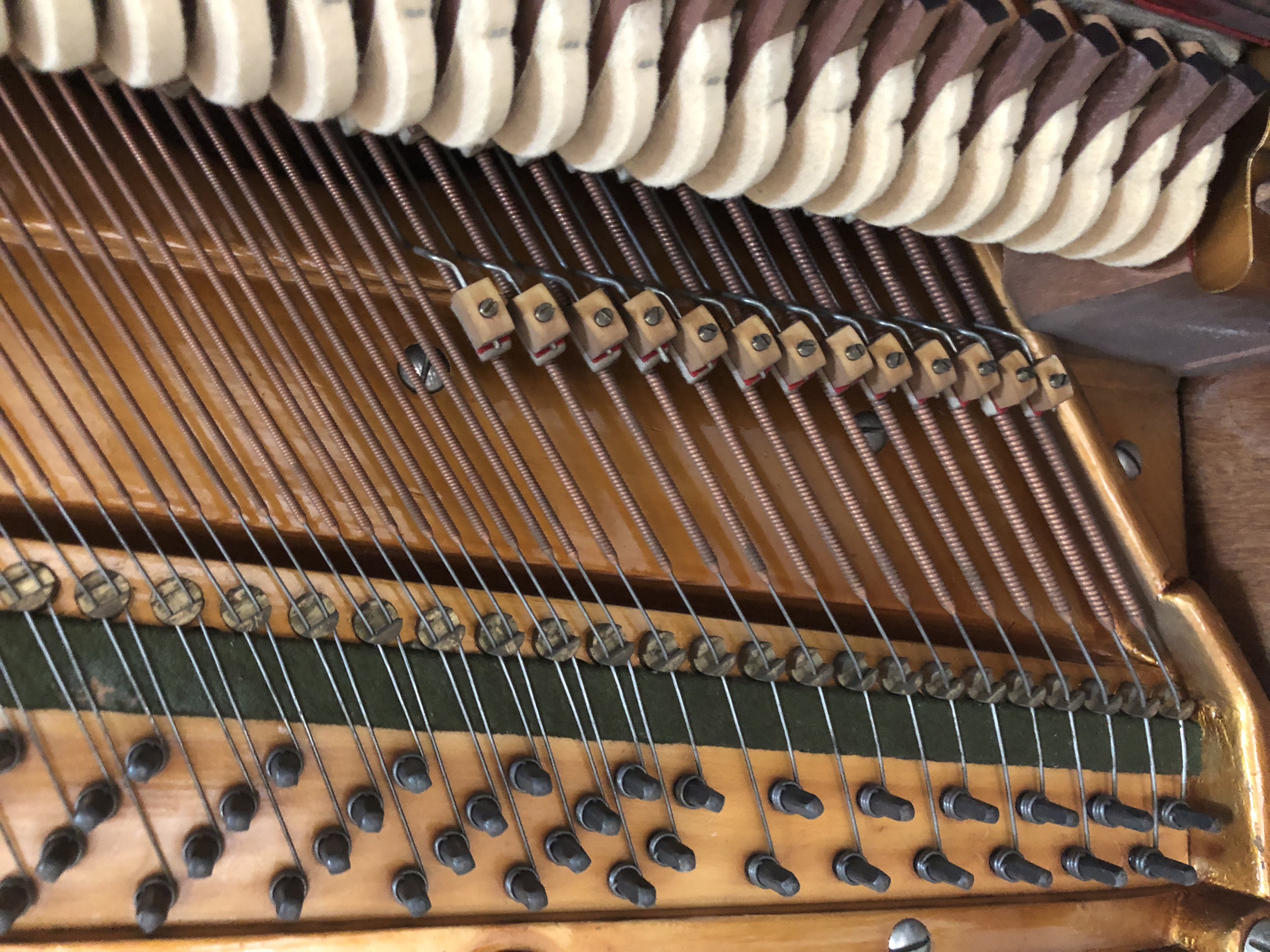
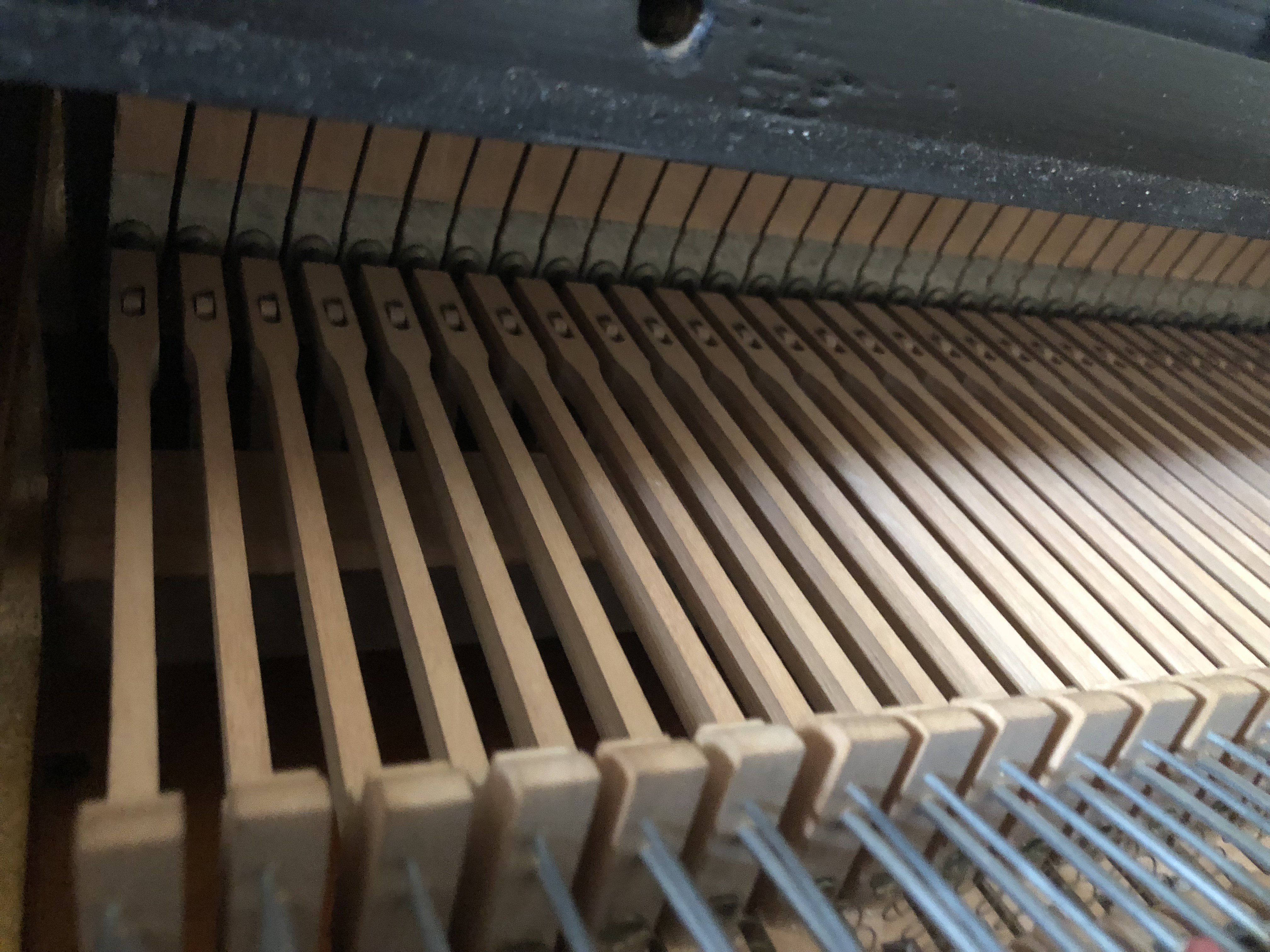
Could you tell me what you see from the photos that, in your opinion, definitely requires replacement?
I have a quote in which they propose replacing the hammer rail (Abel), shanks, wippens, hammer heads, damper levers and damper shanks, and damper wippens, then a total mechanical overhaul of the hammer rail profile and pre-regulation. In addition to polishing the case and whitening the keyboard.
In particular, I was wondering if it is recommended to keep as much of the original as possible (hammer head shanks) or if it is better to replace everything possible. It seems obvious to me that the hammer felts need to be replaced. Then they told me that the pedals have been hammered/beaten and that this is a practice that should not be done. Do I need to replace the action rail then? And the strings?
In my opinion, it's all worth seeing. It seems to me like an instrument in excellent condition and little played. Naturally, one must see and hear the instrument to judge, but I would be very cautious with replacements! What is important instead is the state of the plate and the stability of the legs: it's important! The rest seems well preserved to me and I would try to get it "tuned up". If necessary, the hammer rail should be made identical or even the same one re-felted (then finished, voiced, etc....). An expert technician must intervene.
The replacement of the knuckles is done. Do NOT replace the soundboard. If you eventually replace the strings (the bass ones must be remade identically), you must consider replacing the knuckles by choosing the most suitable size (it depends on the current grip). Avoid, if possible, the replacement of other original parts which seem excellent to me! (anyway, only visually. One must always evaluate closely!)
What I am able to evaluate refers exclusively to the mechanical perceptions when playing it and the tonal qualities. The hammer felt has certainly been scraped multiple times (is that how you say it?), in fact, the sound is not crisp or precise and is difficult to control. Perhaps it's not evident from the photos, but the surface that touches the strings is actually wide and flat, in addition to being 'fuzzy'. As far as the action is concerned, it is a bit uneven; some keys are lighter, others seem to have some friction, and above all, I feel a sort of 'play' or looseness, a moment where the key during its stroke does not seem directly connected to the action of the mechanism. Excuse my non-technical terminology, I don't know if I explained myself well.
A curiosity, regardless of my specific case: often during my years of study I have heard tuners (some absolutely well-reputed, famous, I won't mention names) speak very poorly of the use of ankle tapping. Now here, instead, it seems to me that it is considered a practice that has no contraindications, on the contrary, advisable (if requested, of course). On what are these two schools of thought based?
The American school explains and suggests why to perform the tuning of the agraffes: The agraffe hole is deeper than the agraffe itself. When the original agraffes are installed, they always leave a decent space between the last winding of the strings and the surface of the cap block so that there is margin, at least once, to be able to tap the agraffes and find that terminal part of the hole which is still tight. Naturally, it is a job that must be done with caution, and a special support is indispensable to protect the cap block from breakage and vibrations. That is all. It would now be interesting to know the reasons of other technicians who are opposed to this delicate but sometimes effective practice.
Furthermore, tapping—a practice that should also be used during the installation of new ones—has the advantage of creating a strange "friction" in the walls of the hole, which favors the grip (screwing + tapping).
Naturally, this intervention, which produces no worsening, but if anything an improvement, can prove to be, yes, insufficient or not lasting over the years. In that case, there is no other way than to replace the agraffes and the strings.