Tuning

Environment

9 replies 2,160 views

Started by

Sergio

Member

Member

Opening post by Sergio

Posts
226
City
Priverno

Of course the piano must "always be in tune"; often, however, we worry little about the placement of the instrument, i.e., the resonances caused by the environment.

Sometimes we are forced in our choice of location, into a room shaped like a parallelepiped where the longer side is a multiple of the shorter one (or 1.5 times), or even worse, in a cube-shaped room.

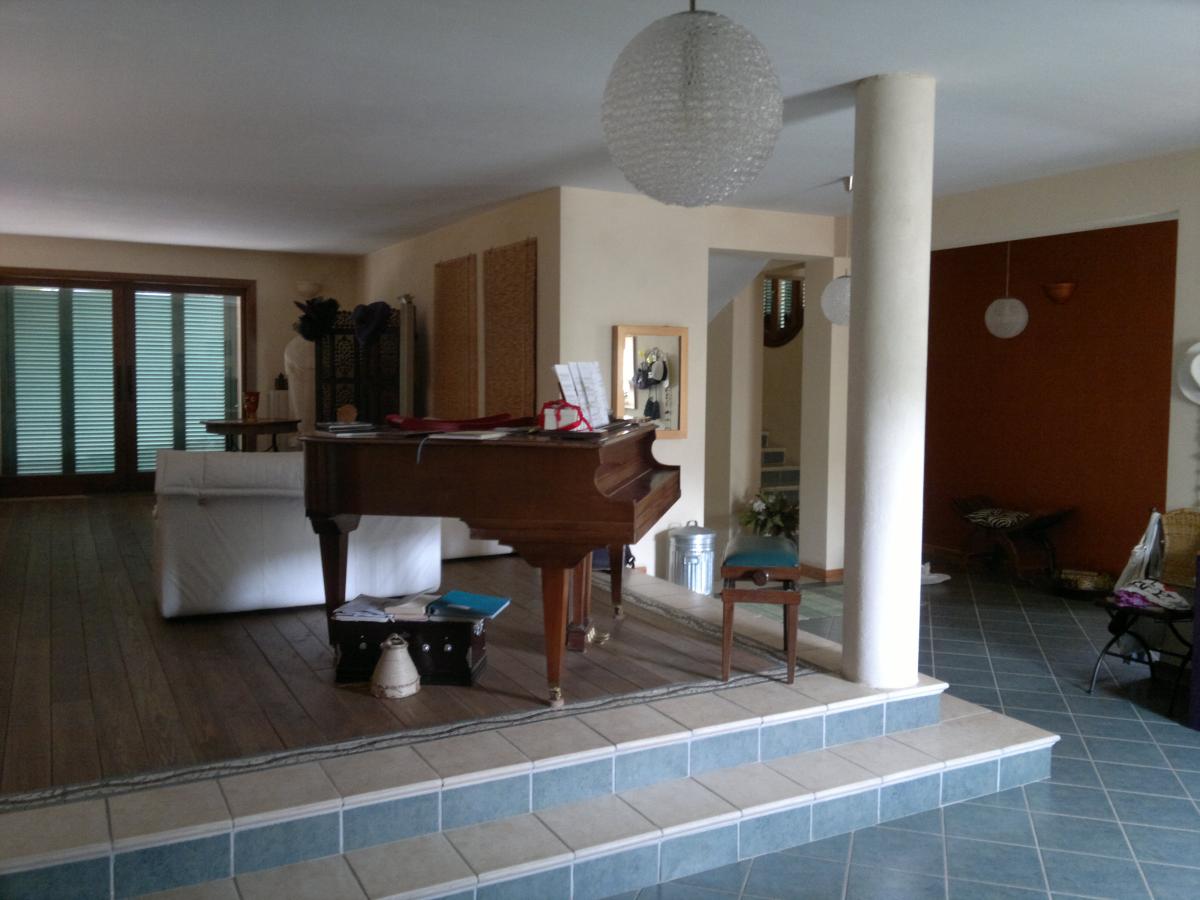
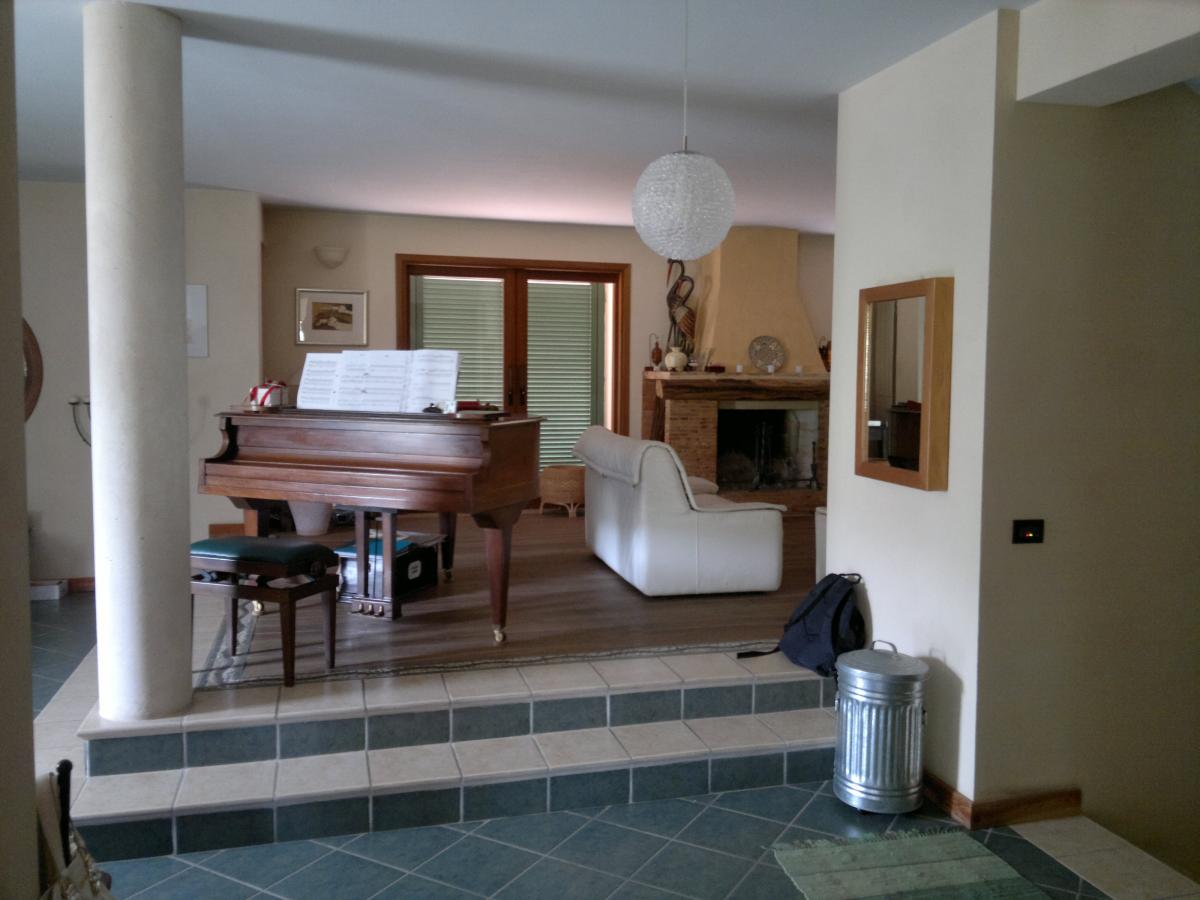
In my case, the grand piano is placed in a morphologically complex environment with raw wooden flooring of about 110 sqm: so much echo that it's distracting!

From an analysis made with some microphones (non-professional) and a white noise and pink noise generator, I detected a "roller coaster" response and a significant peak around 120 Hz, which is also perceptible by ear using a selectable frequency generator.

I solved it quite well, especially for HI-FI listening, by placing a bass trap in a corner.

What do you think about all this? Do you have any ideas regarding this or personal experiences?

AttachmentAttachment

Member

Reply 5 by Sergio

Posts
226
City
Priverno

Pink noise has more volume in the low end to compensate for the physiological lower sensitivity of the ear to these frequencies.

Moderator

Reply 7 by pianoexpert

Posts
3,876
City
rocca di papa

I will refrain from analyzing the sound through microphones, as that seems to take into account the "recording field."

In my opinion, the position of the piano is wrong both visually and acoustically.

First of all, I would say, you have a real "stage at your disposal." Beautiful.

One never places the piano opening facing a wall. The sound bounces, especially the high notes. Instead, we must project the sound into the environment. Visually, one does not enjoy the best part of the instrument: the curve of the tail.

I see this piano positioned at the back, near the glass window (appropriately furnished with a curtain and carefully opened during the good times of the day).

Naturally, with the tail facing the long part of the room. The sofa will be an excellent listening point. Some other curtains and some rugs will absorb the excessive reverberation, which will already be more moderate in that position. The decor will also benefit: that floor looks like it was made for this!!!! Watch out for the pedal: the wooden platform makes the "change" of the pedal itself more audible. Therefore, change it "not suddenly," but slowly. That's all. Try, by proposing to the other members of the Family, in case they are skeptical, to view and listen to the results of the new arrangement. Do not forget the rugs and curtains. Here too, gradual tests, so as not to suppress the high frequencies too much. The instrument is not of large size and will suffer a little with the crossover and on the lows. The important thing is to respect the "cantabile" that must emerge from these latter ones.

I hope these "practical" tips can be useful to you, even if they are not supported by scientific tests. Of course, being on site would change things. The result depends on the sound power of the instrument, its preparation, its position, the "shape" of the listening environment, and the position of the listener—things you have already well observed and evaluated.

Ciao Paolo

Reply 8 by Pianoaccordatore

. . . excuse me Paolo; if placing the piano at the back near the window provides an acoustic improvement, isn't it risky that the instrument will be more affected by changes in humidity being against an external wall with a window?

Thank you

Moderator

Reply 9 by pianoexpert

Posts
3,876
City
rocca di papa

Certainly. And I don't think that glass pane stays closed all the time. One must, obviously, have the care to open it during warm hours and not when it is raining. The instrument will be a little offset from the window, but acoustically it will be positioned in a good spot. Having an instrument means paying attention to air currents, relative humidity levels, and temperature. Due care will be taken. Such a beautiful house will also have thermal windows, and double glazing does not greatly favor heat loss from the interior.

Member

Reply 10 by Sergio

Posts
226
City
Priverno

Pianoexpert, Piano Tuner, have you resumed considering the position of my grand piano, thank you!

Yes, thermal windows naturally exist and the house is thermally very well insulated, but that window area faces north: it's the coldest area, certainly as an advantage I wouldn't have direct sun on the grand piano... .

Regards.

Log in to participate