I don't think I can make it, I've had a lot to do (I also wrote to you privately, Frank, for more clarification), I have only written one page. I can post what I have written if you want.
I realized that the activity is beyond my abilities. I haven't written almost anything, but anyway I will try to manage to deliver.
I would hope that this initiative also had as a goal the careful analysis of the compositions presented in such a way as to be a learning platform for those like me who want to learn.
I would hope that this initiative also has the aim of carefully analyzing the compositions presented so as to be a learning resource for those like me who want to learn.
Usually useful comments arrive and anyway, just looking at what others have done to get through it works 😉
Now I understand what it meant when I was reading: it's better to try and then compare your own solutions with those of others... after having bumped my nose on it, I must say it is very useful.
I ask you not to hesitate, keep in mind that I don't have twenty years of experience on the subject ...
O
Organista94
Member
Reply 13 by Organista94
Posts
194
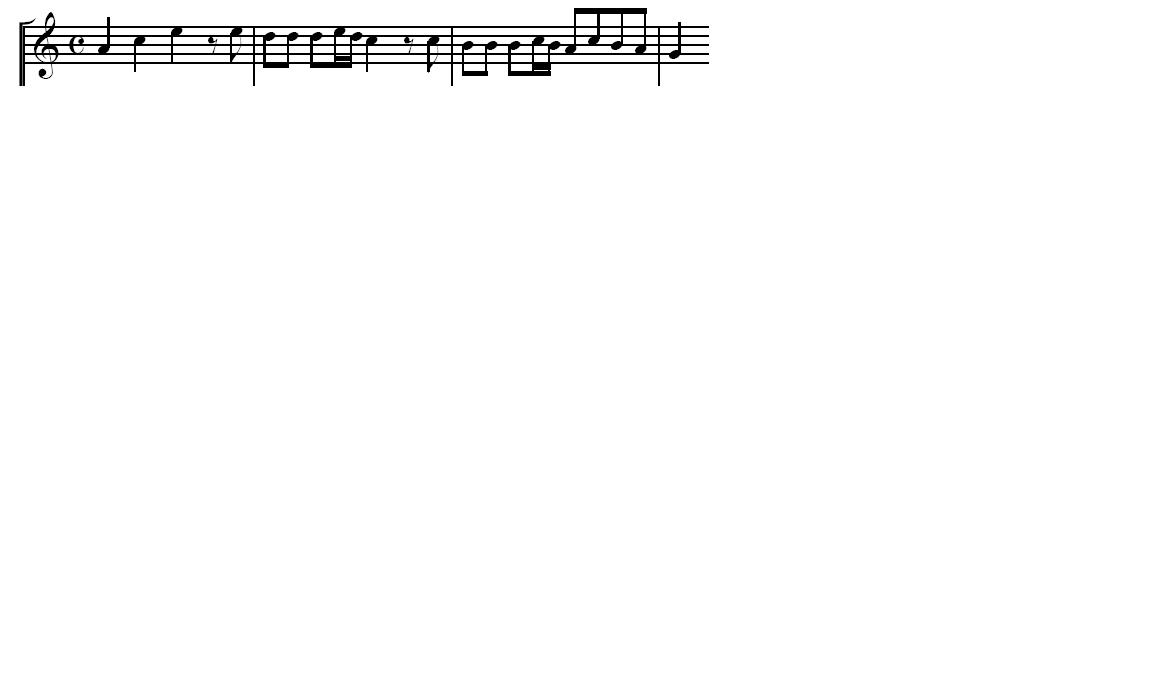
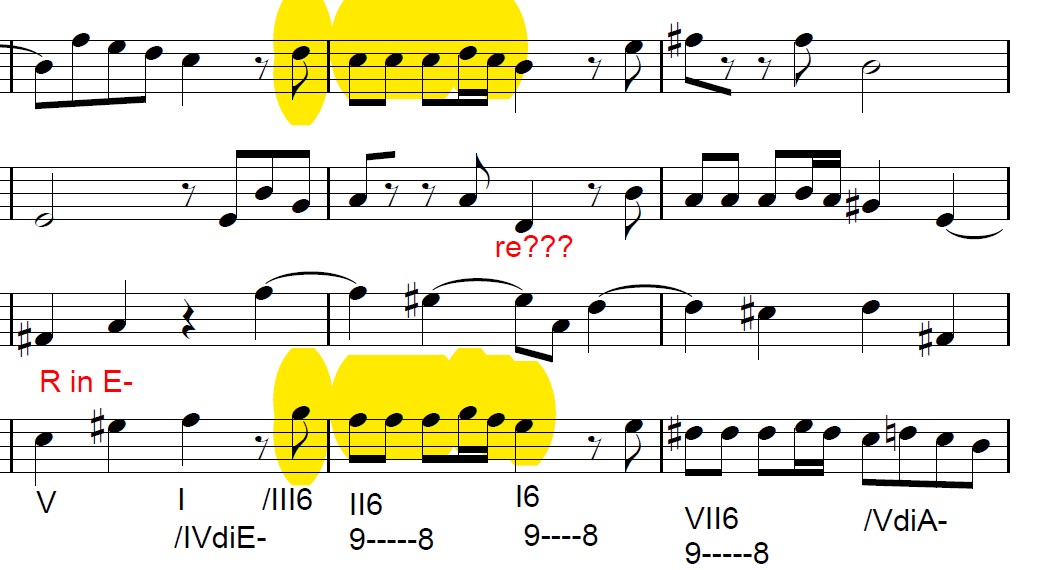
Question for Raffaele, I was looking at your score a bit and I noticed that your answer, referring to the head of the S, does not respect the mutation; if intended, what is the reasoning behind it?
In reality, even the tail, you drew the answer in a somewhat strange way... certainly differently from mine, but I would like to understand the reasoning
It is a really nice workshop. A quick reaction/immediate comment. The first one I listened to is Roberto Altieri's fugue, and let's just say I reserve the right to listen to it more carefully again.
I really liked Alessandro Gozzo's fugue upon first listen.
Frank's fugue is very recognizable in its style. I would recognize it among a thousand due to the effective management of the bassoon and strings.
The organist's fugue struck me for its essentiality, but at the same time, it seemed a bit short to me; let's say I still have the desire to listen to a bit more (of course, the term 'fughetta' was well-placed).
It should be premised that these are immediate comments.
I still have to assimilate them and obviously I will comment further.
O
Organista94
Member
Reply 15 by Organista94
Posts
194
raffaeleb wrote:
The organist's fugue struck me for its essentiality, but at the same time it seemed a bit short to me; let's just say I am still left with the desire to listen to it a little longer (certainly the term 'fughetta' was well-placed).
Thank you Raffaele, indeed regarding the stretto I wasn't able to say anything :(
well, I would say that Altieri and Frank deserve to be examined carefully because you can immediately see the touch of a professional. In particular, I liked Frank's very much, while Altieri's suffers a bit from the slow tempo, in my opinion.
also those by Organista and Raffaele are nonetheless pleasant to listen to and I hope to be able to watch them carefully.
one immediate note on Raffaele: that anapestic rhythm that enters suddenly in the countersubject (contrasted with the dactylic subject) is a bit of an "eyesore" to me, perhaps it should have been introduced with more caution
L
Ludovica
Member
Reply 17 by Ludovica
Posts
298
Difficult subject, there are those who treated it tonally... those who made mutations as required, and I only realized now that the head could have been mutated in 2 different ways.