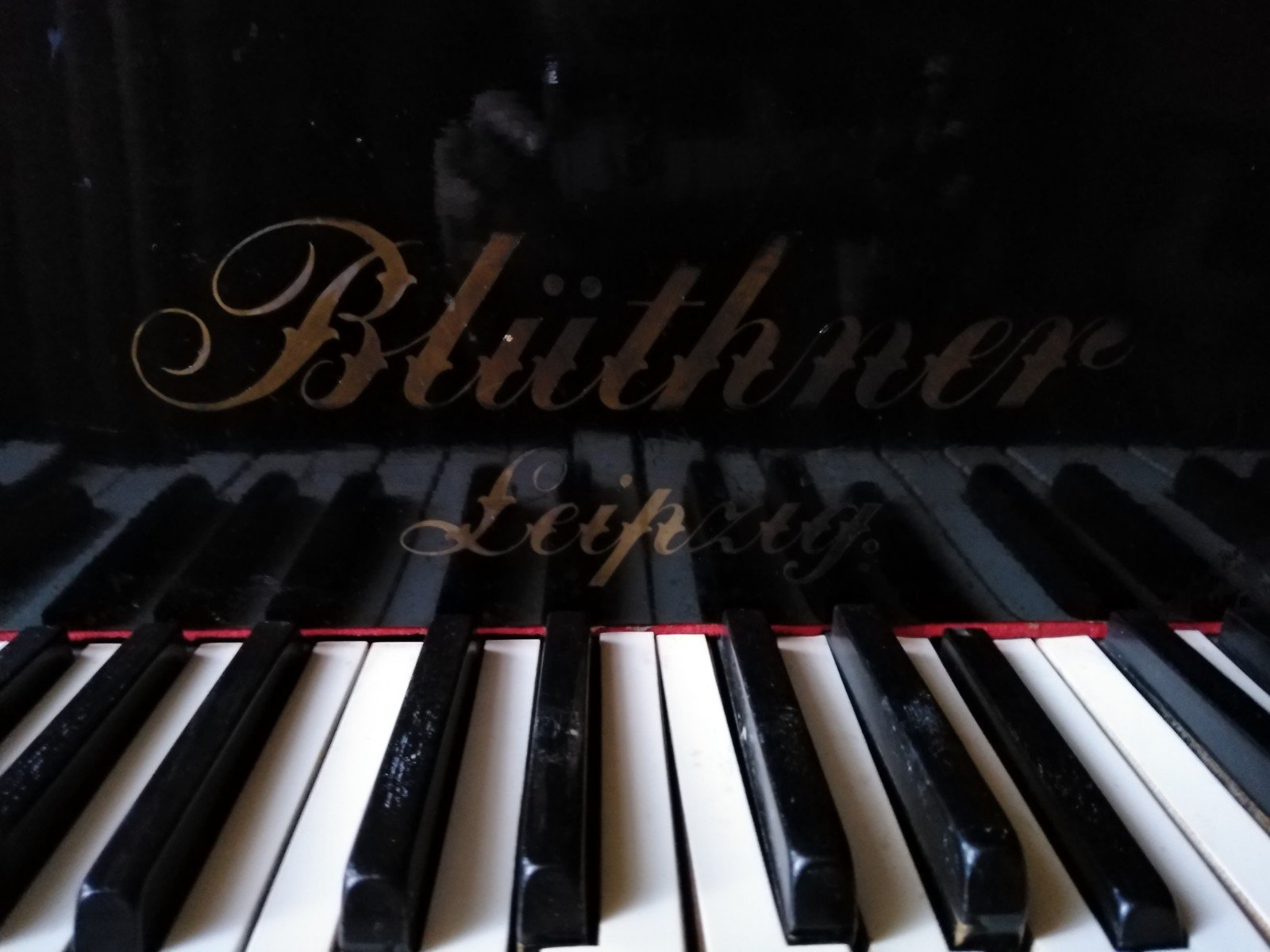
good morning. i have a bluthner piano from the early 70s, unused for a long time, in terrible condition. I presume a complete restoration of the piano is necessary, but I have no idea about the current prices. i would like to understand if it is worth it or if it is better to purchase a new one.
My opinion is very simple: it is worth having it restored if the amount invested is equal to or less than what the finished piano is worth, or rather, what it could be resold for. Unfortunately, Blüthner does not have the commercial value that Steinway & Sons can have; furthermore, since it is a specimen built after the second world war, its quality is lower compared to the early century Blüthners in terms of assembly and materials, as is the case with all pianos from the GDR.
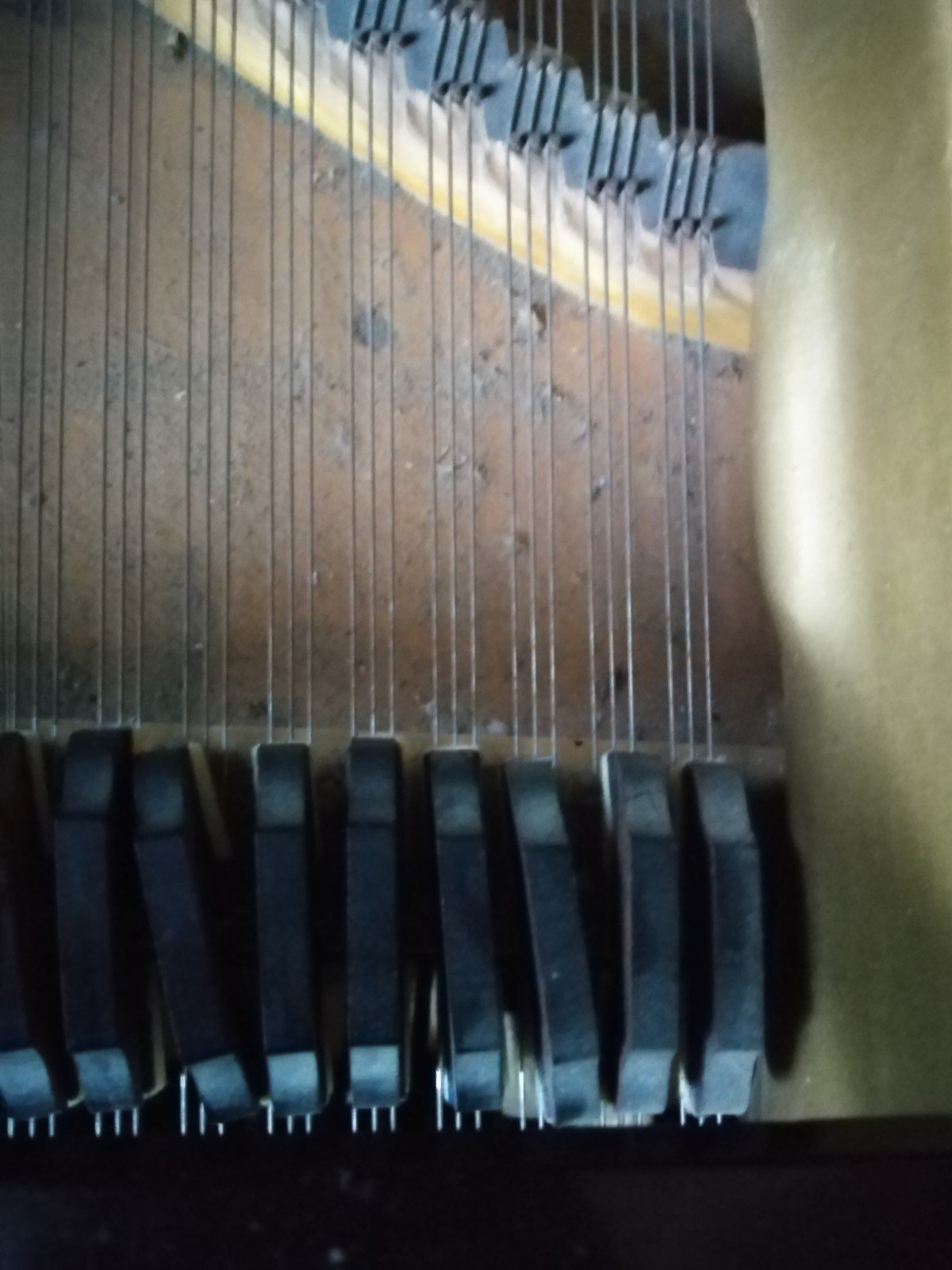
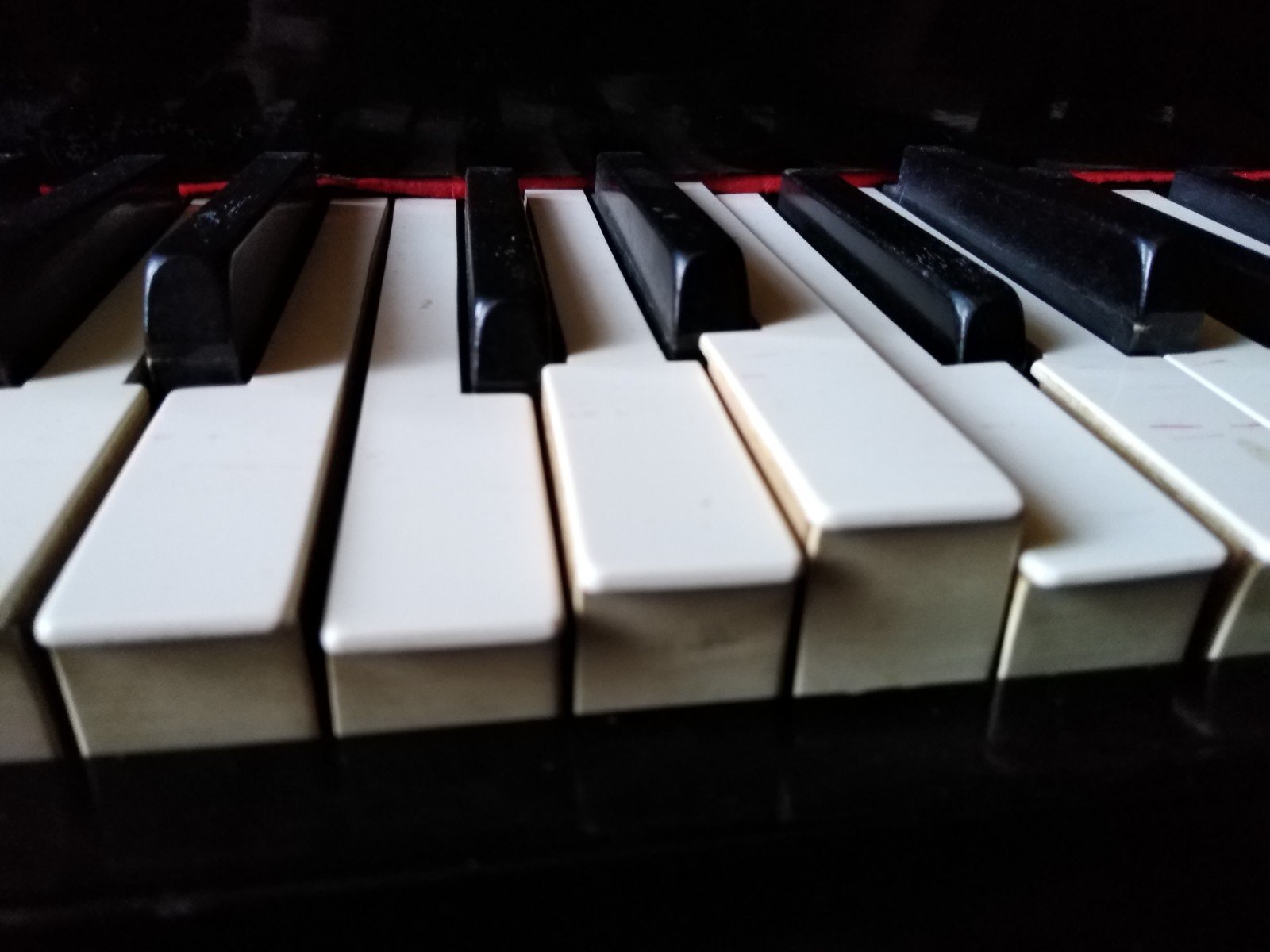
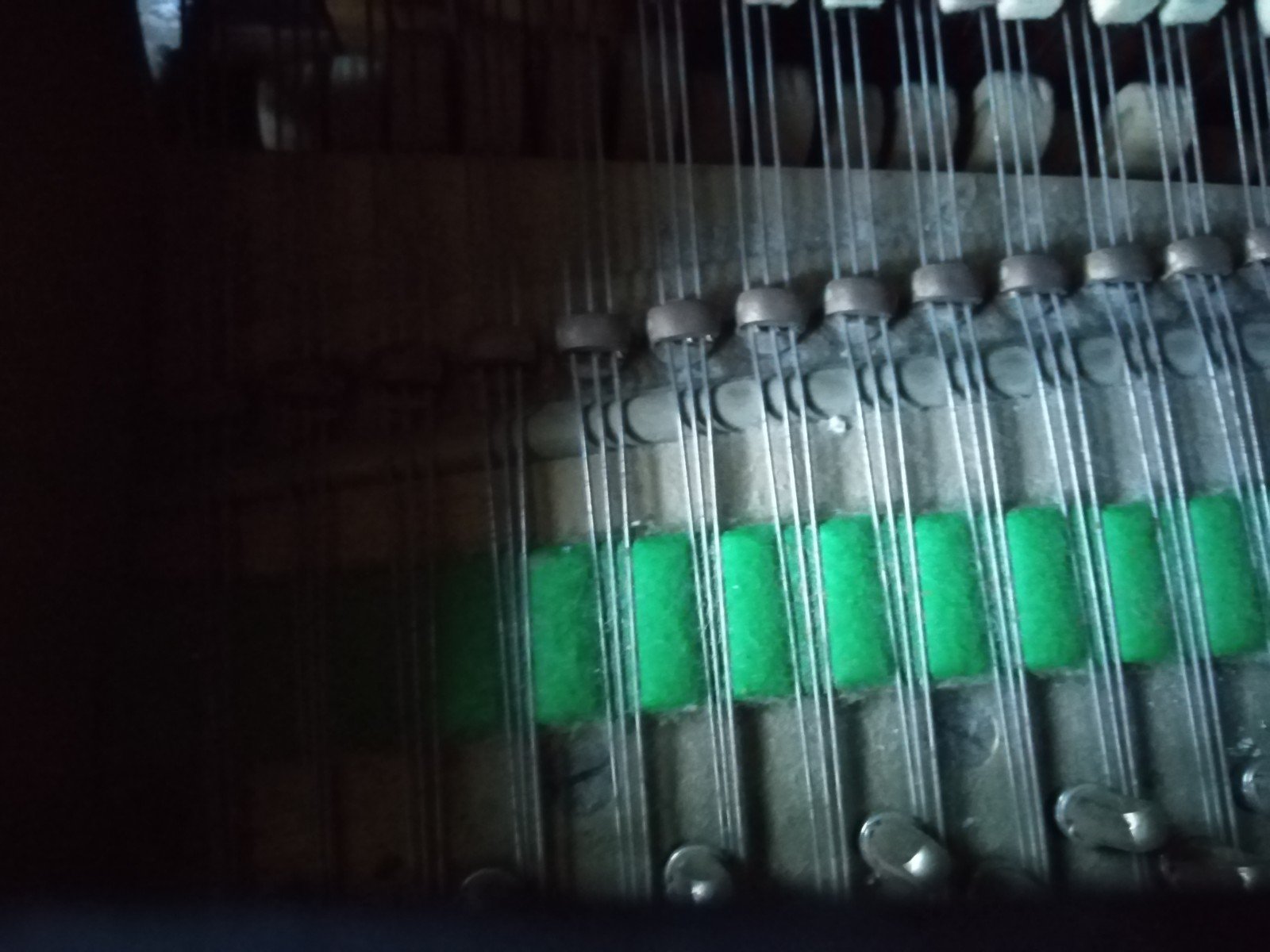
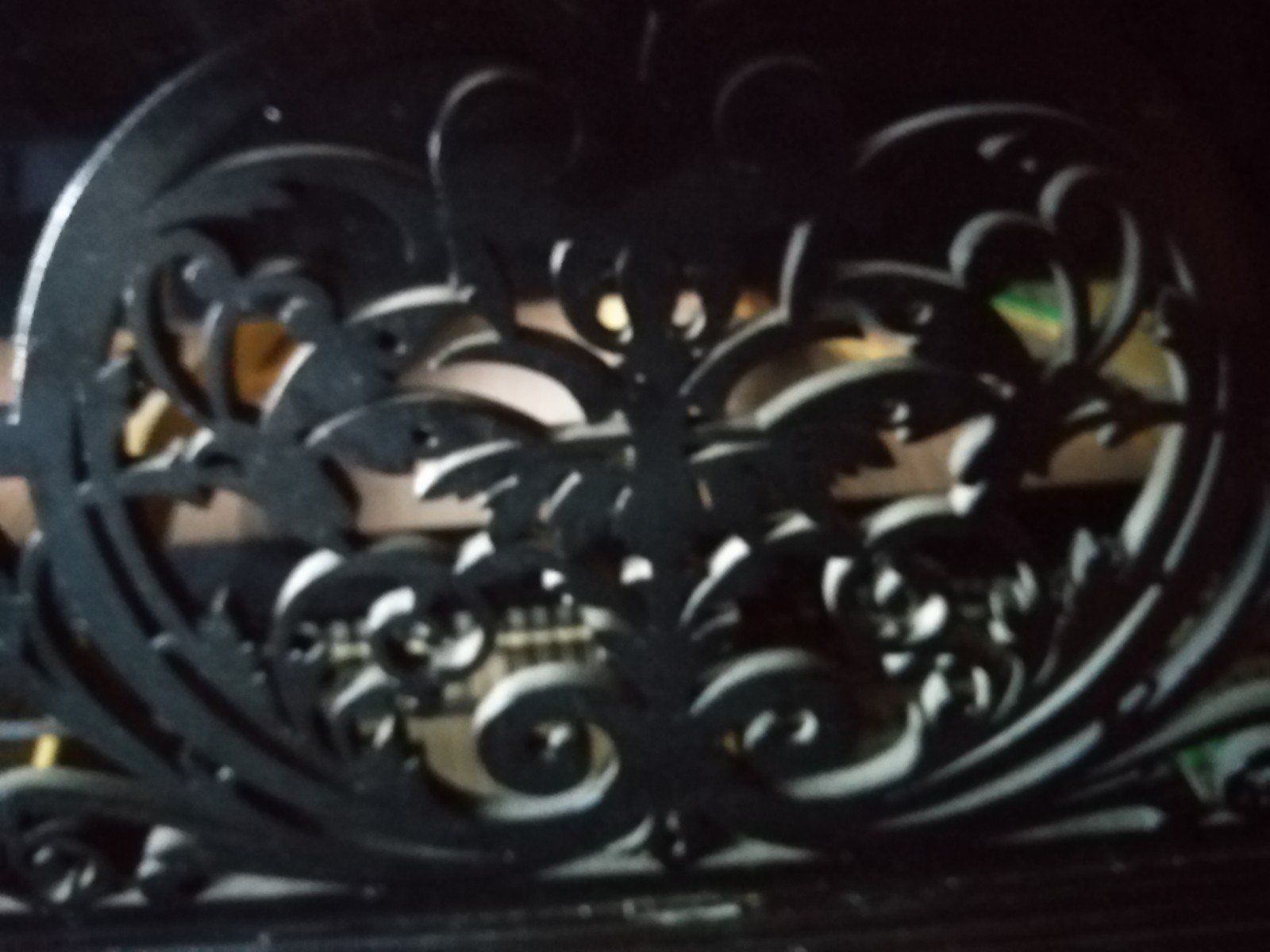
The photos are very detailed, so the general situation cannot be seen. Evaluate the condition of the frame carefully before proceeding.
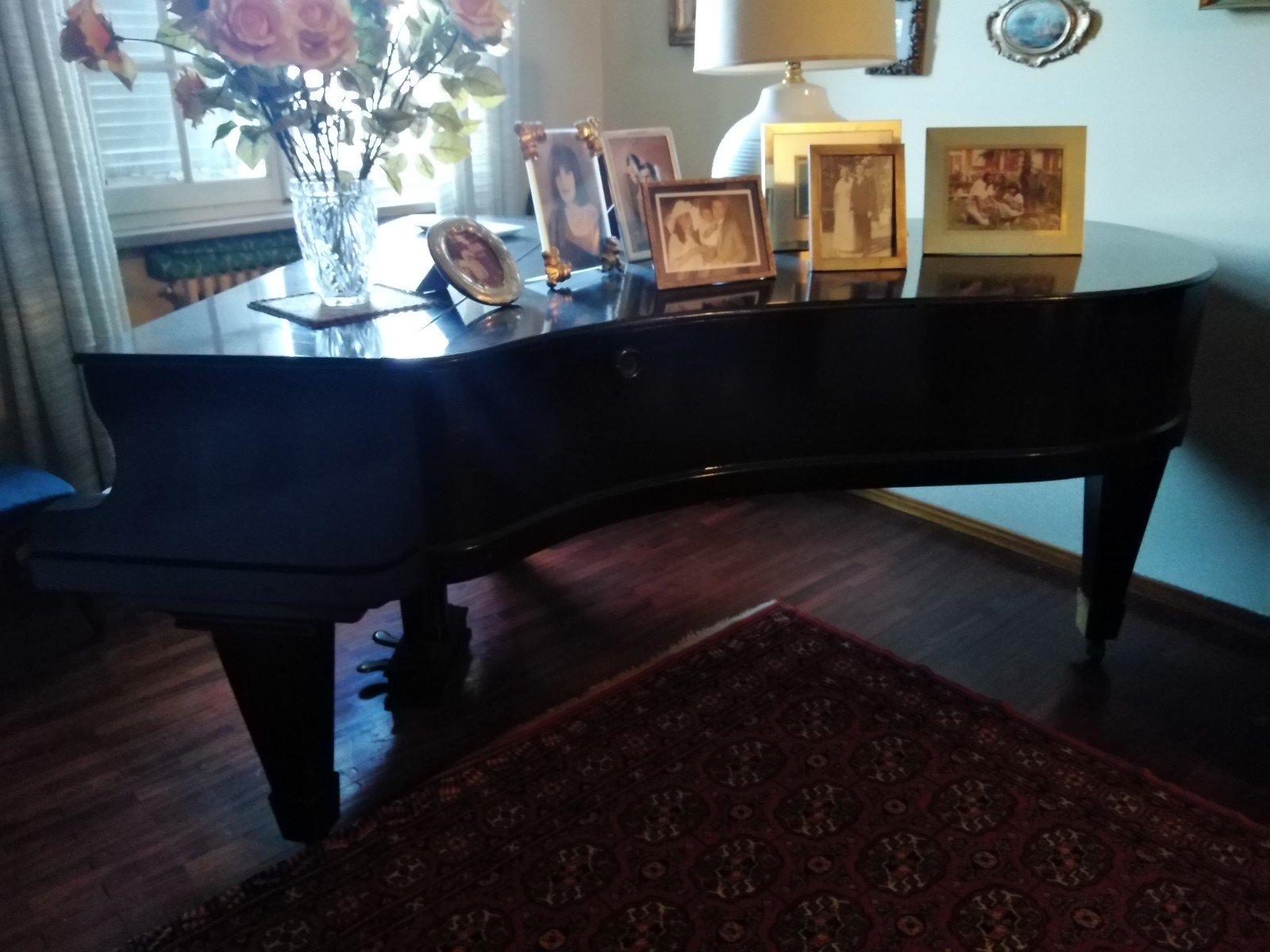
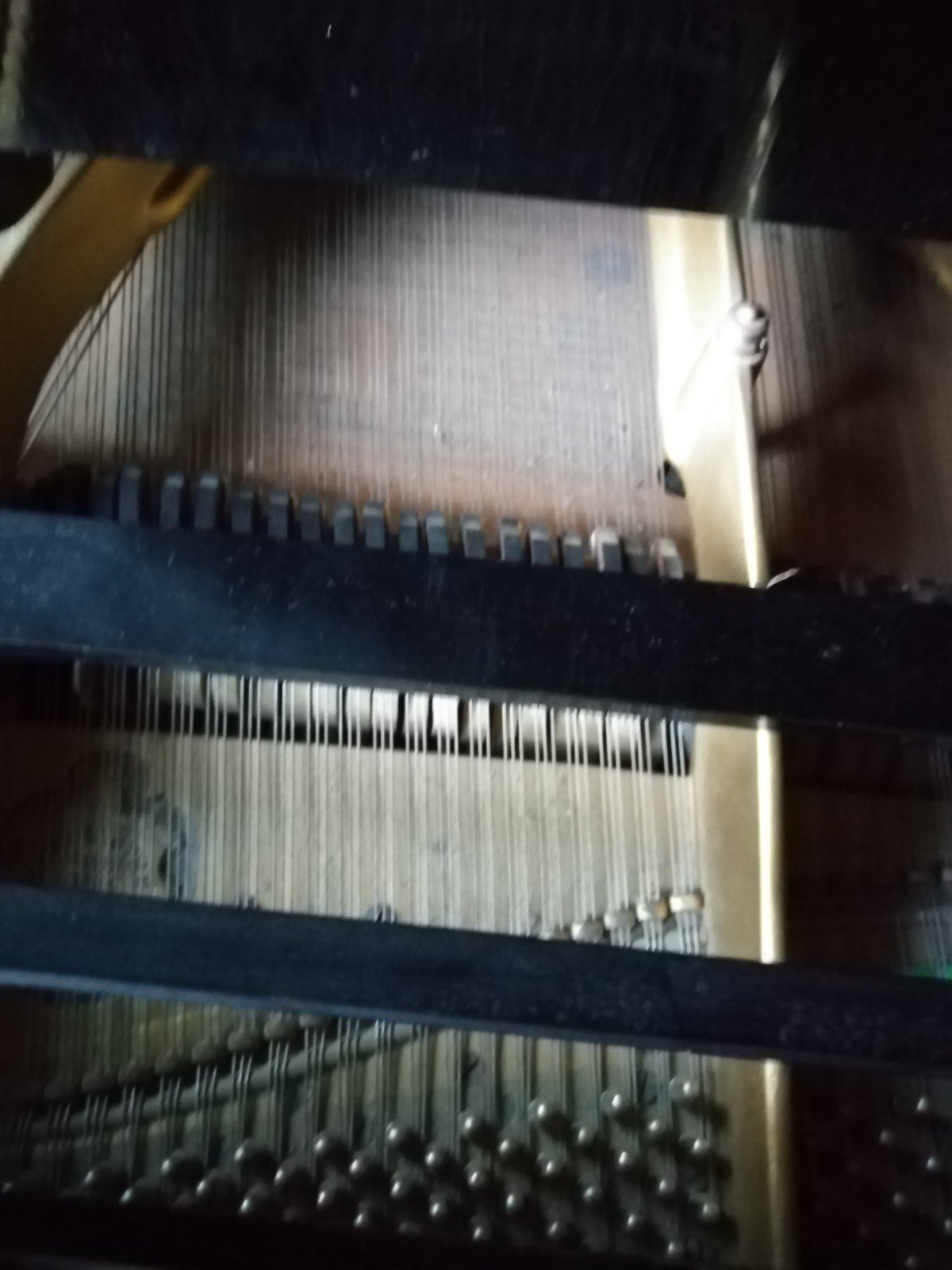
The question was indeed exactly this. What could be the costs for a major restoration intervention on a piano of this type? Not being in the industry, I have not the slightest idea of what the figures might be. Clearly, I meant an indicative figure... I am attaching another photo
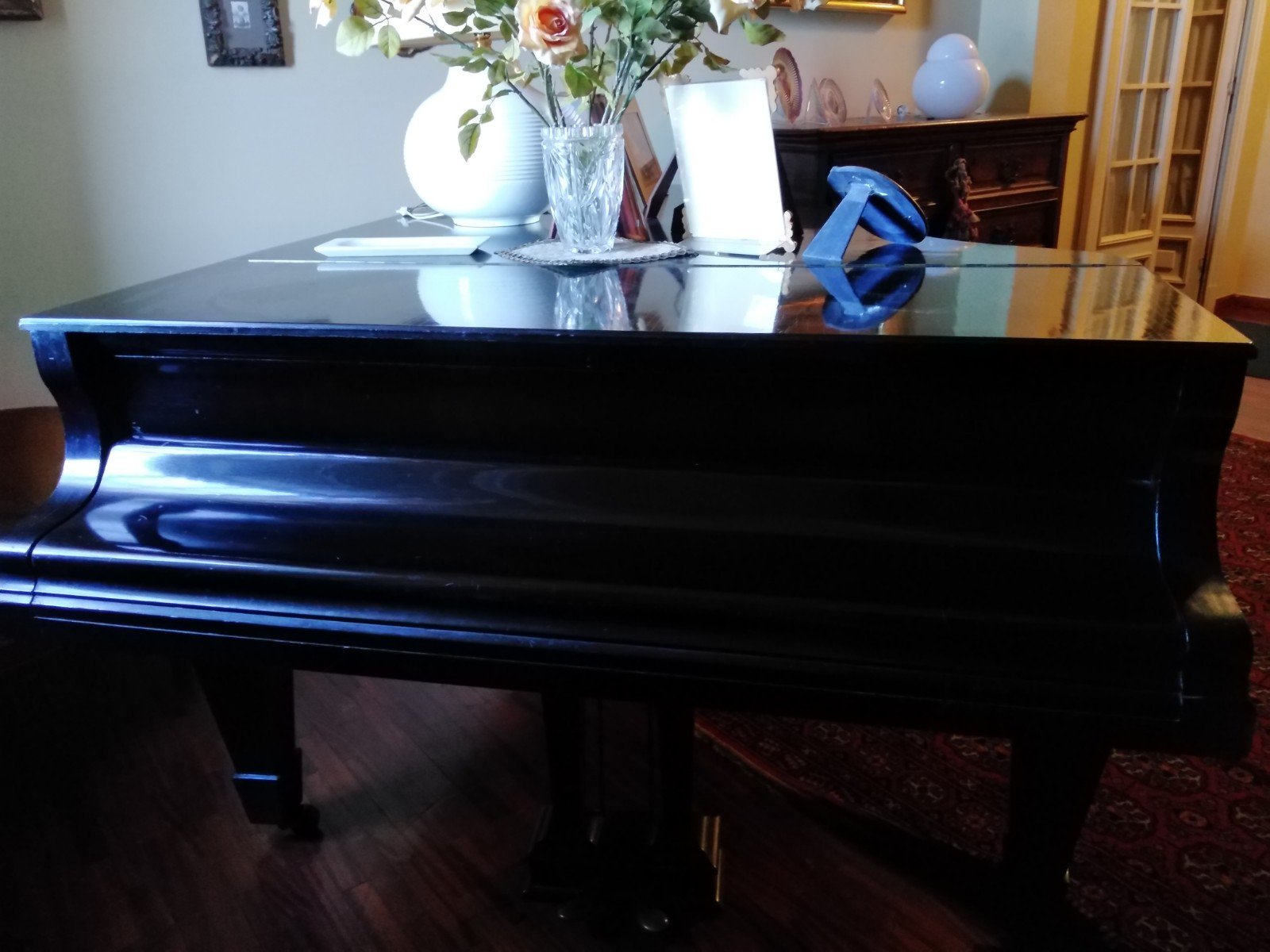
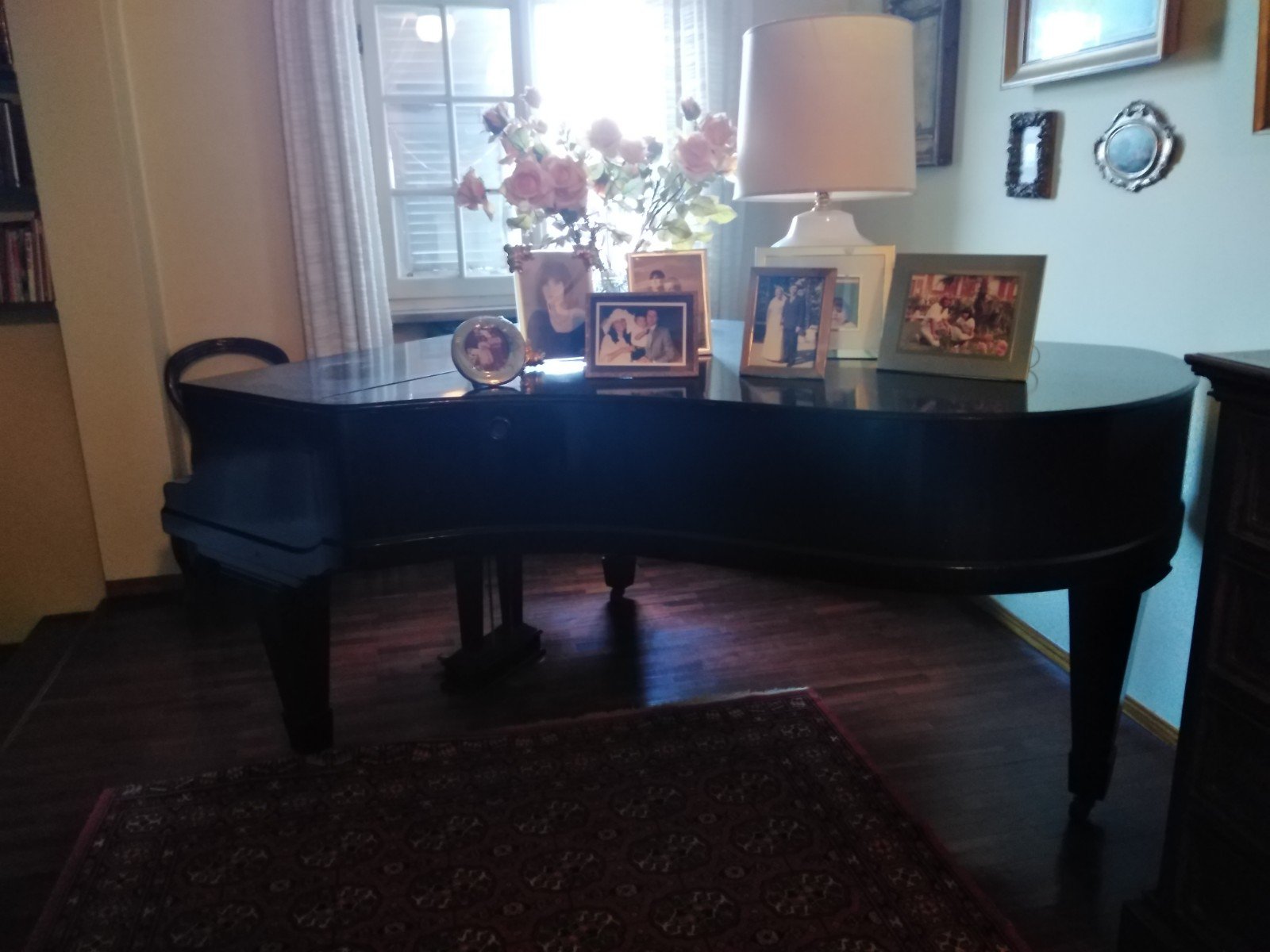
In my opinion, the instrument is from the early 1900s, not from the 70s. Anyway, if you read the serial number found on the soundboard near the decal, we can date it with certainty. It is possible that the legs were remade to make it look more modern.
Anyway.
I didn't give you a figure because it may vary depending on the technician and their philosophy. It will depend on what the technician decides to preserve and what to replace: obviously, the more spare parts are used, the higher the cost.
A restoration intervention that makes the instrument playable again could therefore cost 3500 euros as well as 6000 euros or even more. You will need to request several quotes, specifying your needs first. The minimum intervention could consist of removing the frame, restoring the soundboard, and checking the tension. Replacement of the strings, with special attention to recalculating the gauges on the bass notes; general cleaning and overhaul of all the mechanics, omitting the painting of the case and the frame, which could be kept as is.
The piano is at my mother's house, as soon as I go I will check the serial number. I think I will have it repaired; for me it has significant sentimental value and besides, I am not a great pianist... for me it is more than sufficient.
I would add that, seeing the color of the hammer felts (non-original) and the type of ankle, I can venture that the piano may have already undergone restoration during the very years your father purchased it. This would also justify the square legs.
Therefore, since the Blüthner soundboard is of excellent quality and already consists of 5 crossed layers, it is possible that the tuning stability is still good and that only a general cleaning and mechanical overhaul are necessary to make the piano playable again. In this case, the intervention could be carried out partly in the workshop and partly on-site without removing the instrument from its environment, with relatively low costs.
Giovanni preceded me and was precise and exhaustive. After all, the Technician must evaluate what to do and how far to go depending on the costs. Of course, the replacement of the strings and pins as well as checking the soundboard charge must be scheduled. As well as, I believe, hammers, center pins, and various gaskets. It could indeed be around €6,000.00. The integrity of the frame and the soundboard must be verified, which, however, as Giovanni well illustrated, is cross-laminated (5 layers) and very resistant.