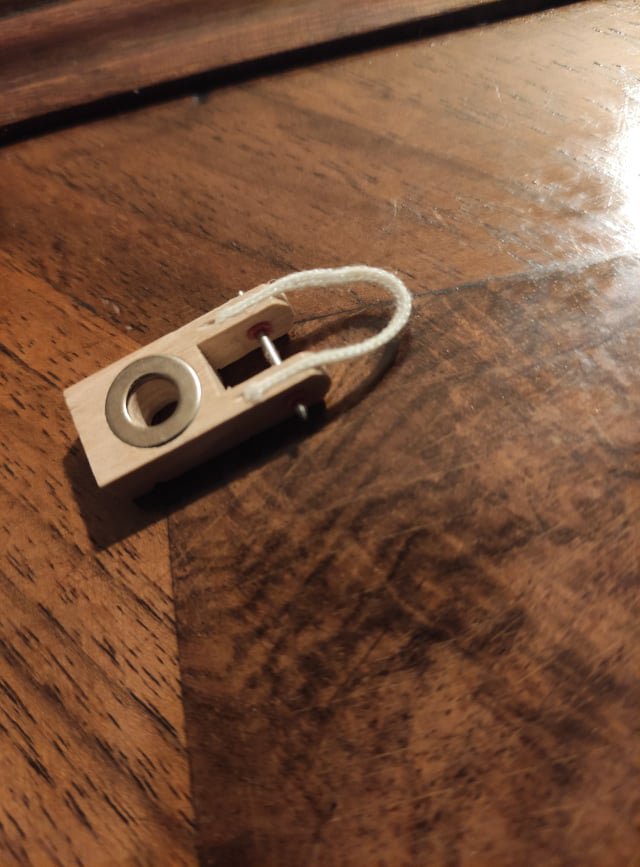
It could depend on several things. You need to see if the pins of the forking (of the hammer, of the capstan, of the escapement upright) are free or need to be replaced. In the latter case, a technician (who knows how to do it) is required. It could also be poor key dip. It could be the hammer rest being too far forward.
First of all, disassemble the mechanical parts and check. Generally, when the dip is poor, the hammer tends to vibrate near the string. The hammer rest, if too far forward... you can tell because it stops the hammer too close to the string.
P.S. Getting your hands on the machine is fine. But you must know exactly what you are doing and identify the causes of the problem. Some things can be done following instructions (which I often provide...) while others require the expertise of a technician (who, obviously, must know what to do!)
For example, changing a pin requires expertise, a puller, pins of different and correct sizes, straight reamers, knowing how to feel when the friction is uniform in movement and about 5 gr (friction gauge or tester) (gr. 1-2 for the upright, gr. 5 for the hammer; gr. 3-6 for the capstan). Reattach the parts with their own screws; they must not have any lateral play!!!!!
you can find the tutorials both on the website and on Youtube: journey inside the piano
A test to see if the pins cause too much friction: disassemble the part and insert the screw into the hole of the forcola. The forcola must move, falling gently and uniformly under the weight of the screw itself.
This is for frictions that, if excessive, prevent hammers, repetitions, or escapement uprights from moving. But the problem, as already stated, can depend on other causes (shallow key dip, incorrect regulation/parata, repetition lever moving the damper which gets stuck in the worn felt, keyboard bushing too tight, etc...)
Thank you. Yes.. but it could, I say it could, be a palliative! The small strap certainly helps, but you must check the hammer rail to see if it is too "lazy". Anyway, I am glad if you have resolved it!