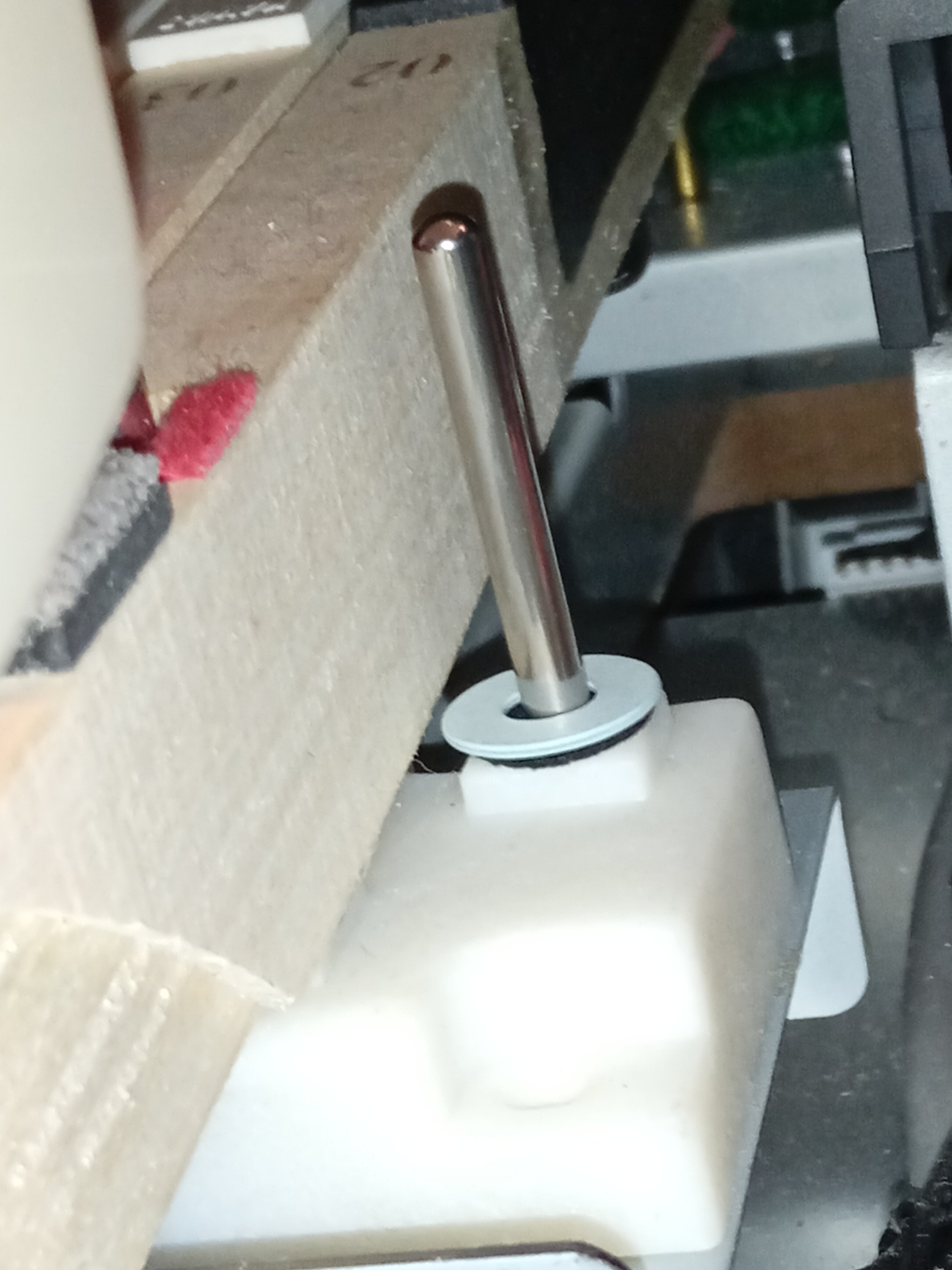
Hi, I am here to try to understand the reason why my piano keys seem to have become a bit harder; the "bass" keys drop at 65gr and moving towards the treble it reaches 52gr
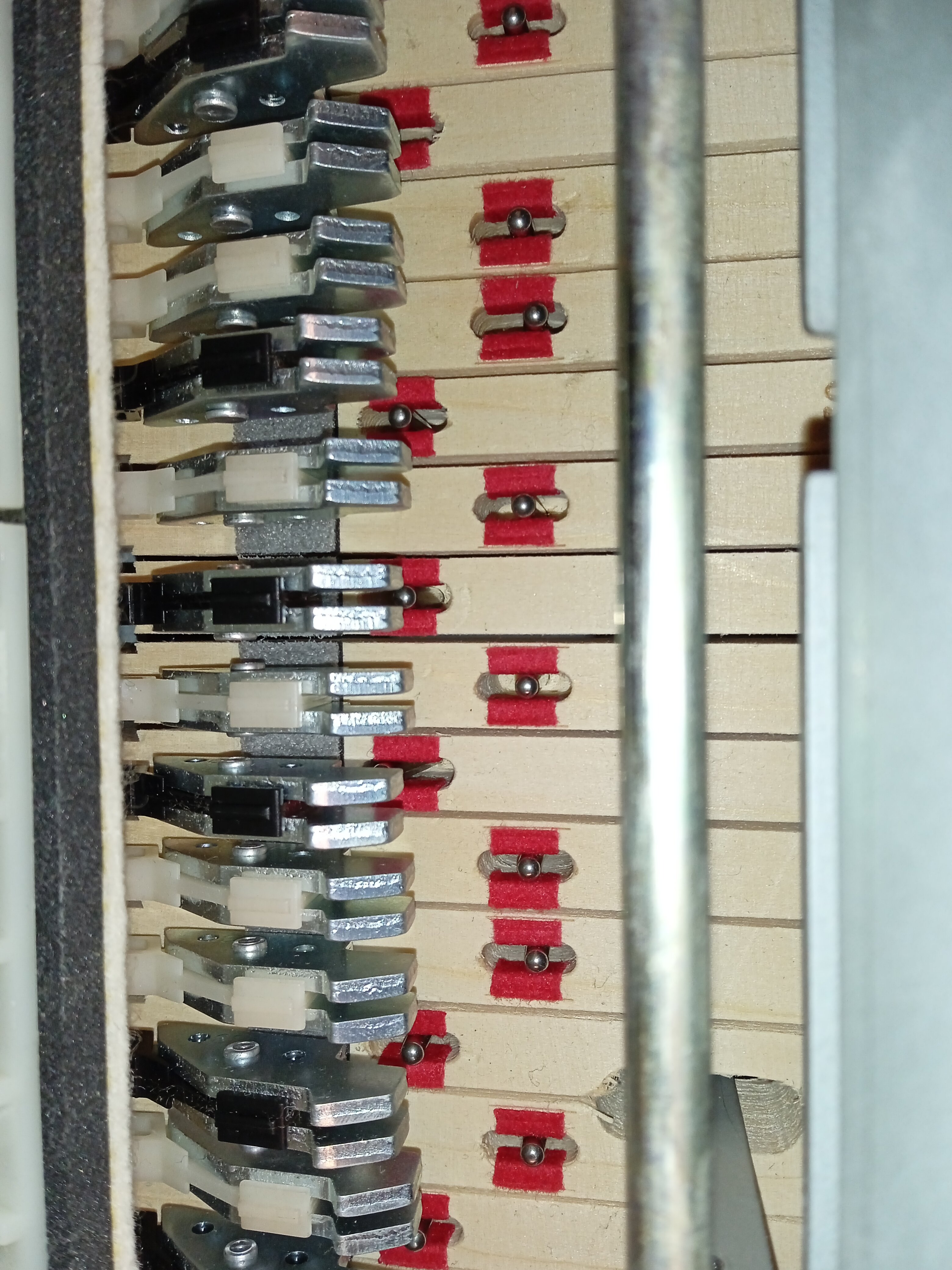
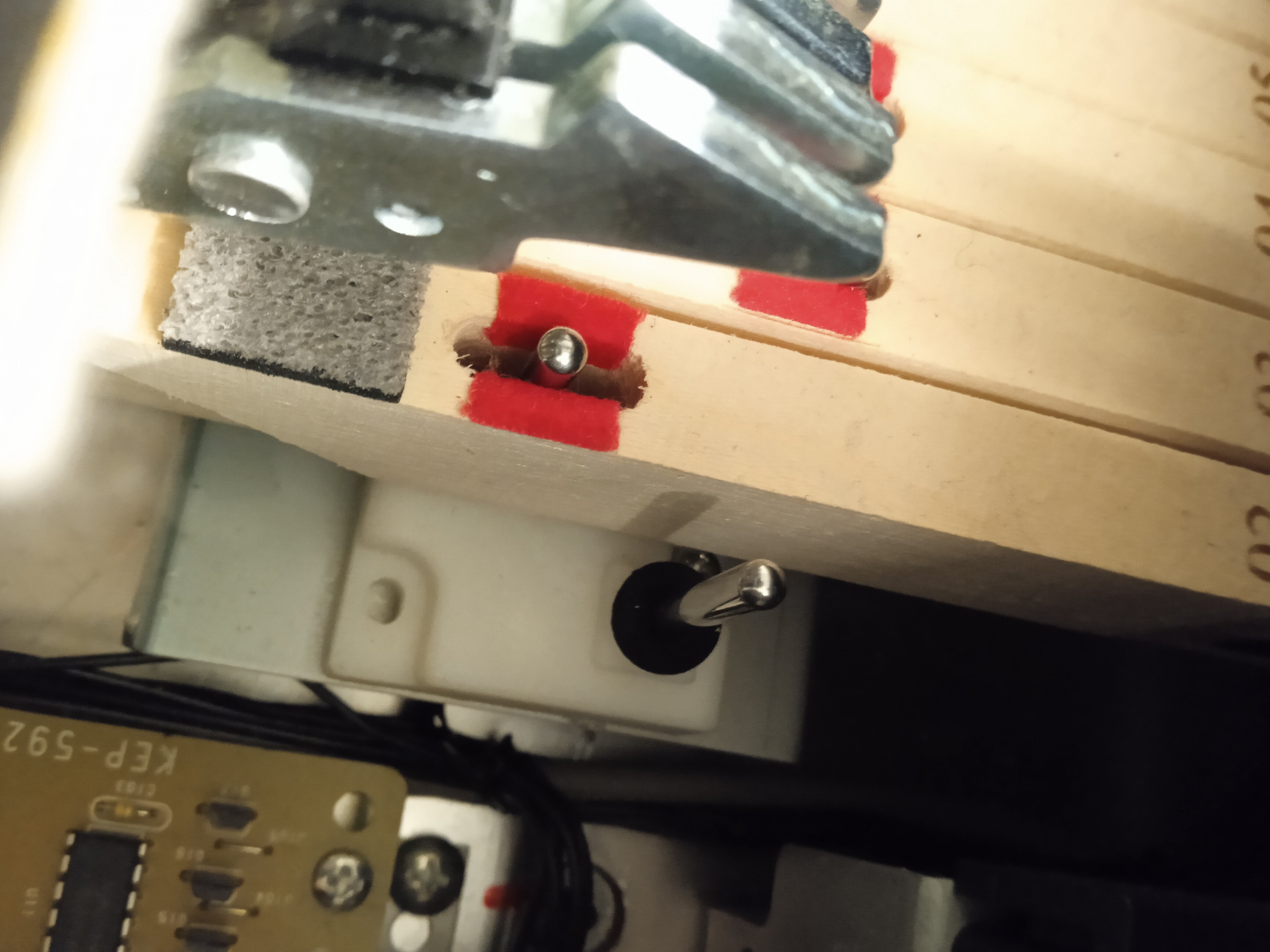
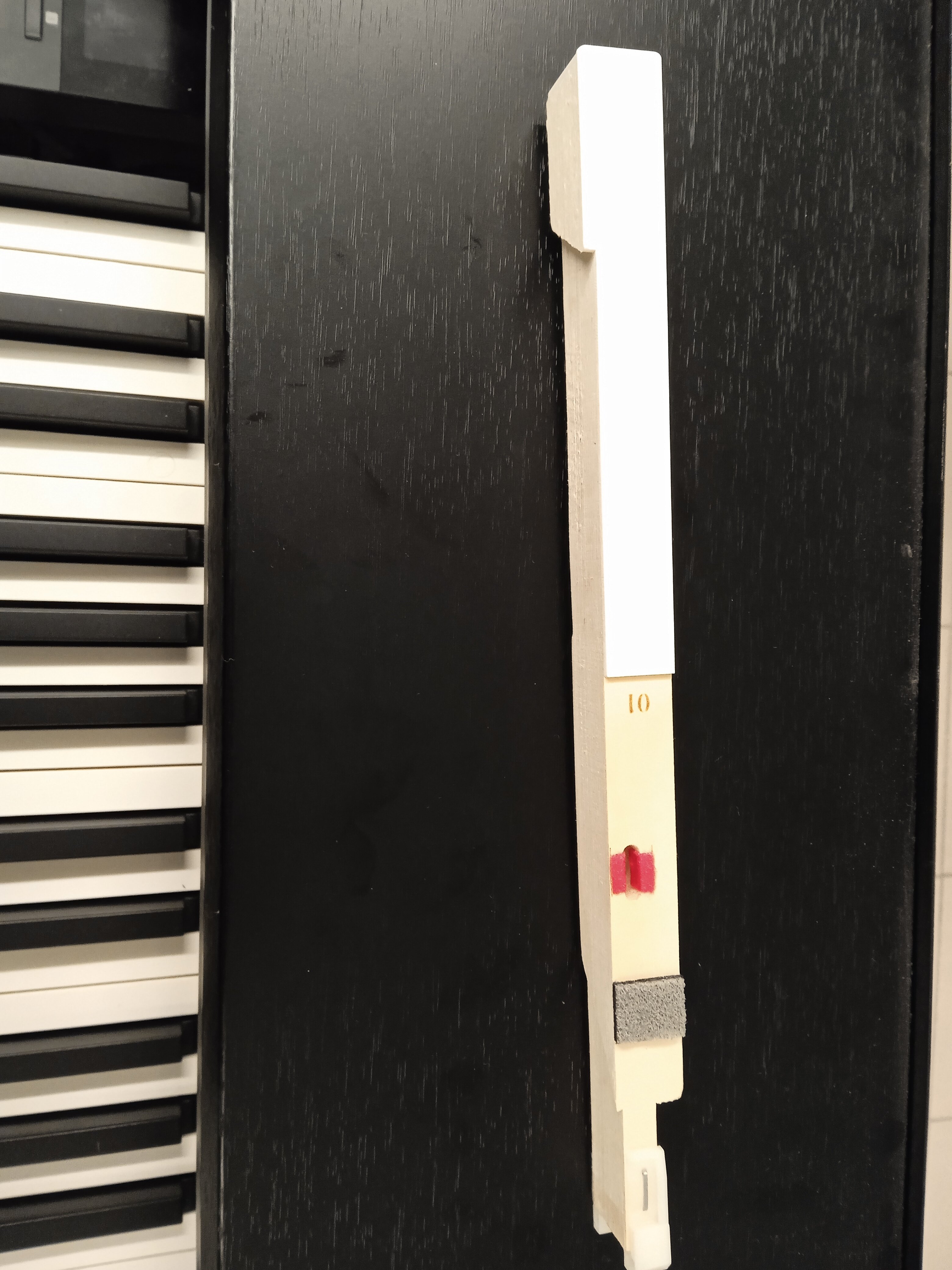
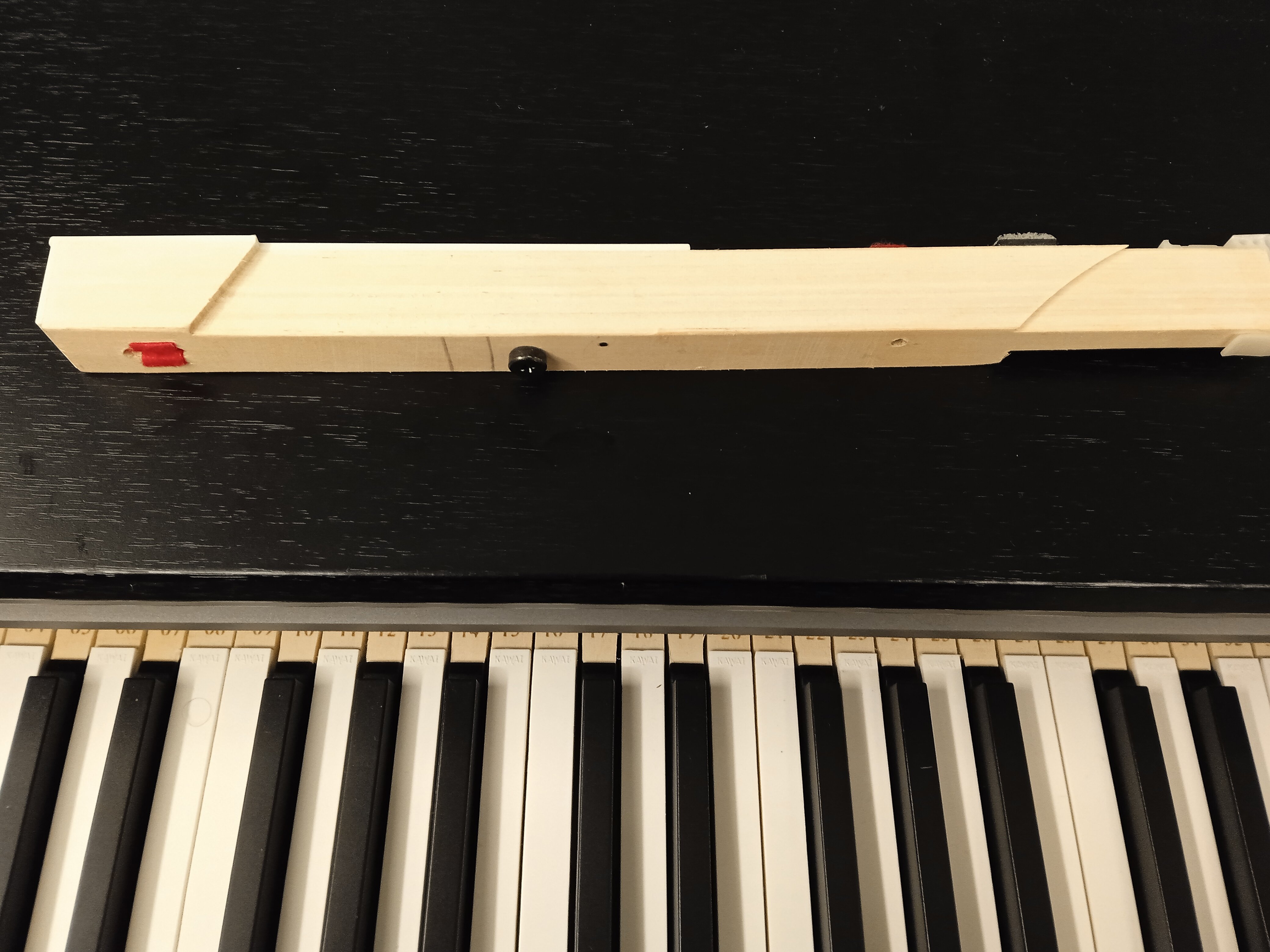
I own a Kawai CA58 which, although being a digital, still has wooden keys with keybeds lined in Kashmir and the pins they slide on are metal and leveled with felt and cardboard bushings.
What could this increase in weight depend on and how do I resolve it?
We don't know which "internal" action is installed. From what you are telling me, you can use Teflon, but I believe the problem might also be within the mechanism simulation (quite strange. the K 58 has a good response....) I still cannot see the photos
You can use the rosettes to level it. Regarding the action, I wouldn't touch it, because it is not all similar to a traditional action. It could be the pins if the instrument has suffered humidity. In any case, it is up to the Manufacturer's service to intervene. The parts are made of plastic or carbon and the pins do not behave as they do in wood+cashmere gasket holes. However, if the hardness is contained and there is a proportion between the downward weight (perhaps 60g) and the return weight (perhaps 25-28g), then I wouldn't have it touched. If, on the other hand, the downward weight is excessive compared to a very low return weight, then the friction prevents too much and the keyboard no longer feels "ready" to execute fast passages, repeated notes, etc...
In this case, you need to contact Kawai service and entrust it to someone who takes responsibility on behalf of the Manufacturer to perform the repair
The hammers are made of plastic, with a sort of yoke mounted on a plastic axis and slightly greased, while the keys are indeed made of wood and cashmere and the pins are metal and show no signs of rust or similar
I have taken the correct measurements and the downward and upward weight is roughly:
Bass 67gr 52gr
Mid 63gr 48gr
Treble 55gr 36gr
I found a NON-homogeneity in the keys, in the sense that some went down/up with different grams compared to those next to them
Regarding humidity... The piano is in a room where humidity fluctuations occur (during the course of the day) of 10%
Always, however, within the range of 45% - 60% depending on the day
Can this cause damage to the felts and various mechanisms? (Especially in case I decide to switch to an acoustic one)
if the temperature does not drop much, the humidity range is fine. however, you must check the condition of the piano you are going to purchase. Even new pianos can have absorbed moisture and have sluggish center pins, generating excessive let-off weights.
Your measurements are correct and there is a proportion between let-off weight and repetition weight....it's just that everything is quite high. In my opinion, it depends precisely on the mechanical design which requires high values to function well. In acoustic pianos, it is different. The action and especially the key lever have a certain length and therefore, if well-weighted, make the movement more refined. A decent brand grand piano can have let-off weights ranging from 53 to 48 with a repetition of 23-26.
Steinway reaches 47 gr. with a repetition of 22-28. The grand piano and some Model B's are weighted from 53 to 47 with variable repetition but never less than 20gr. The most appropriate weighting depends on the length of the key lever. Therefore, in digital pianos, where everything is shorter, the weighting may necessarily be higher.