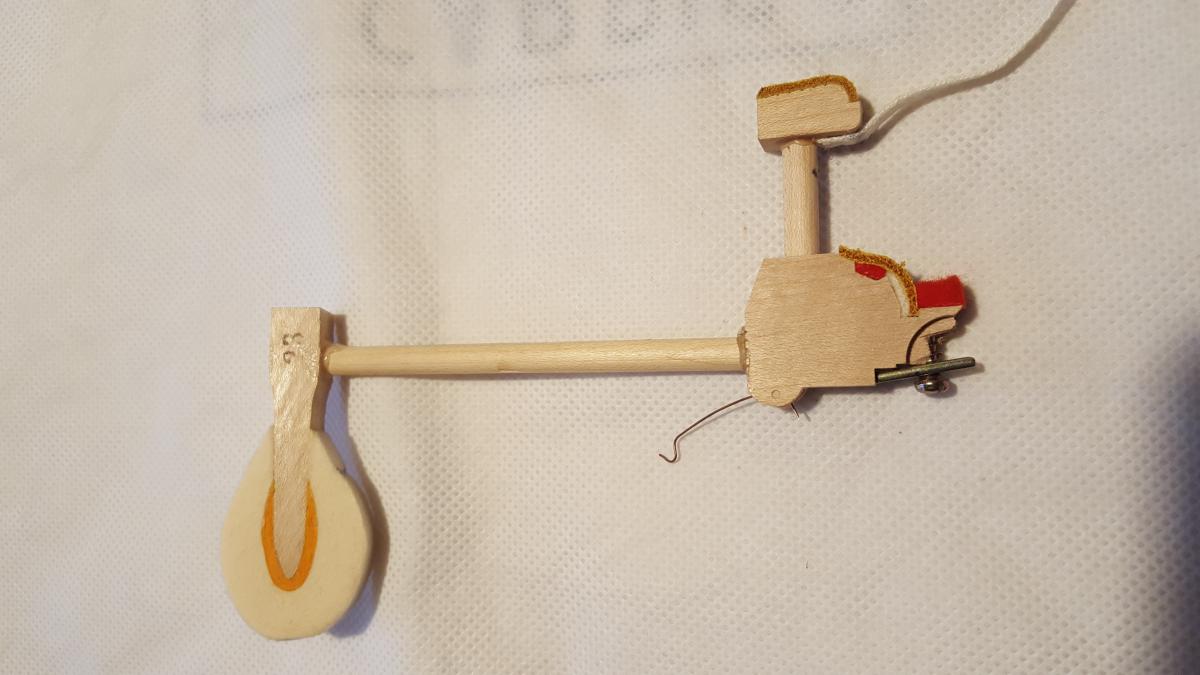
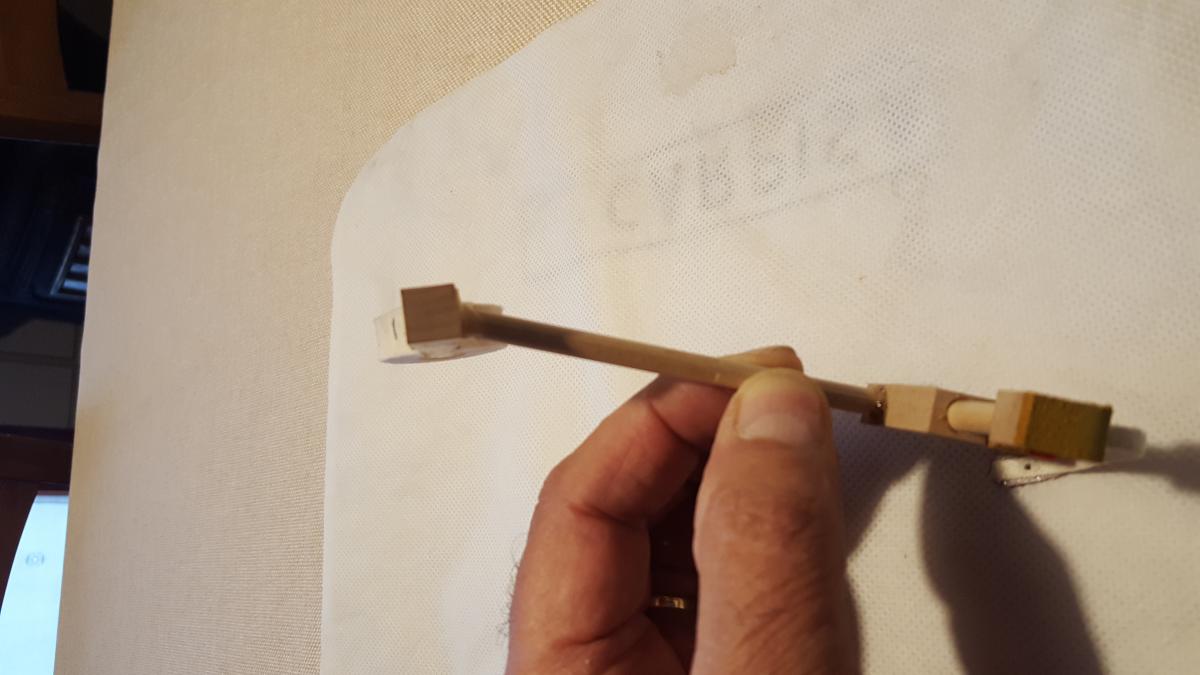
I confirm and will tell you about my adventure.
I have never voiced a piano; I know it is a delicate matter for experts, but to start, sooner or later one must begin experimenting, after having read, studied, and tried to grasp some tricks from professional tuners.
I have a Kawai CA-60; it had the original hammers worn down, so the sound was a bit too percussive.
I tried shaving them, but they were too far gone, so that solved very little.
Following the instructions in the Kawai technician manual, I attempted voicing by working not on the tip, but in the 10-11 and 2-3 zones.
There was a slight improvement, although achieving uniformity was hard.
But I was still not satisfied; the sound was acceptable, but still a bit bright and percussive.
Since the hammer set was going to be replaced anyway, I tried the damp cloth and iron method.
The only result I obtained was that the sound became muffled, but the percussion remained.
So I tried with hardener, following the advice from Renner and S&S manuals, and dry heating.
The sound returned brighter and much more percussive.
Well, I said to myself, I have more or less understood how it works, I've played around, and now I will buy a new hammer set.
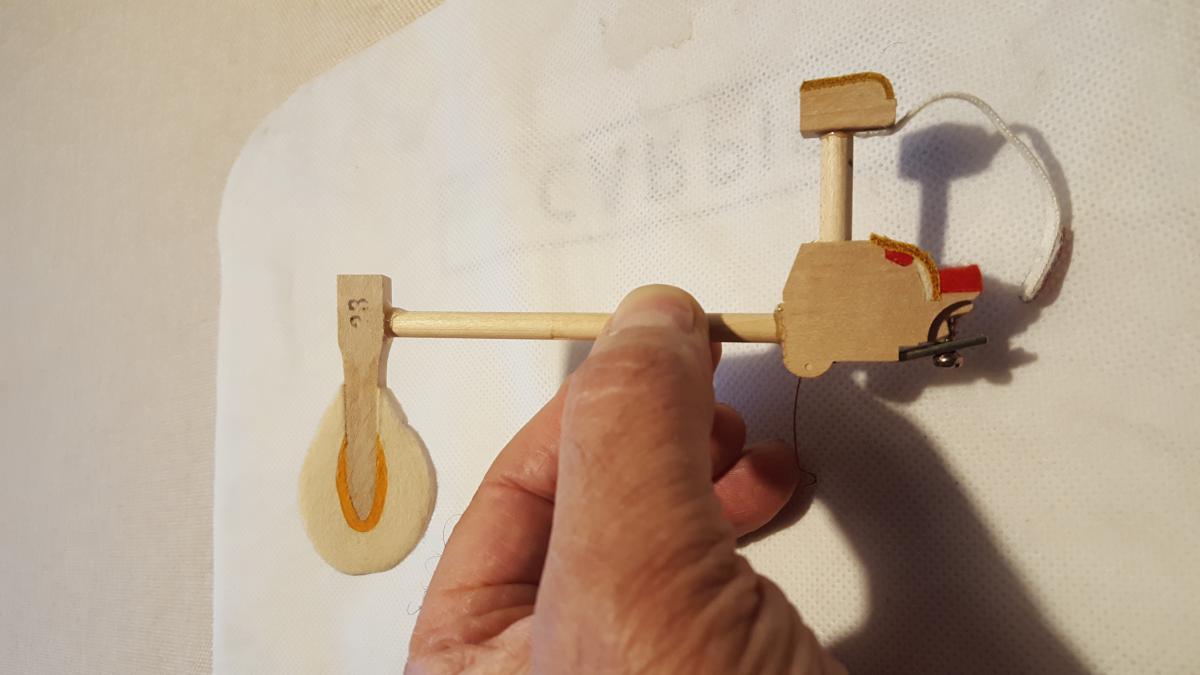
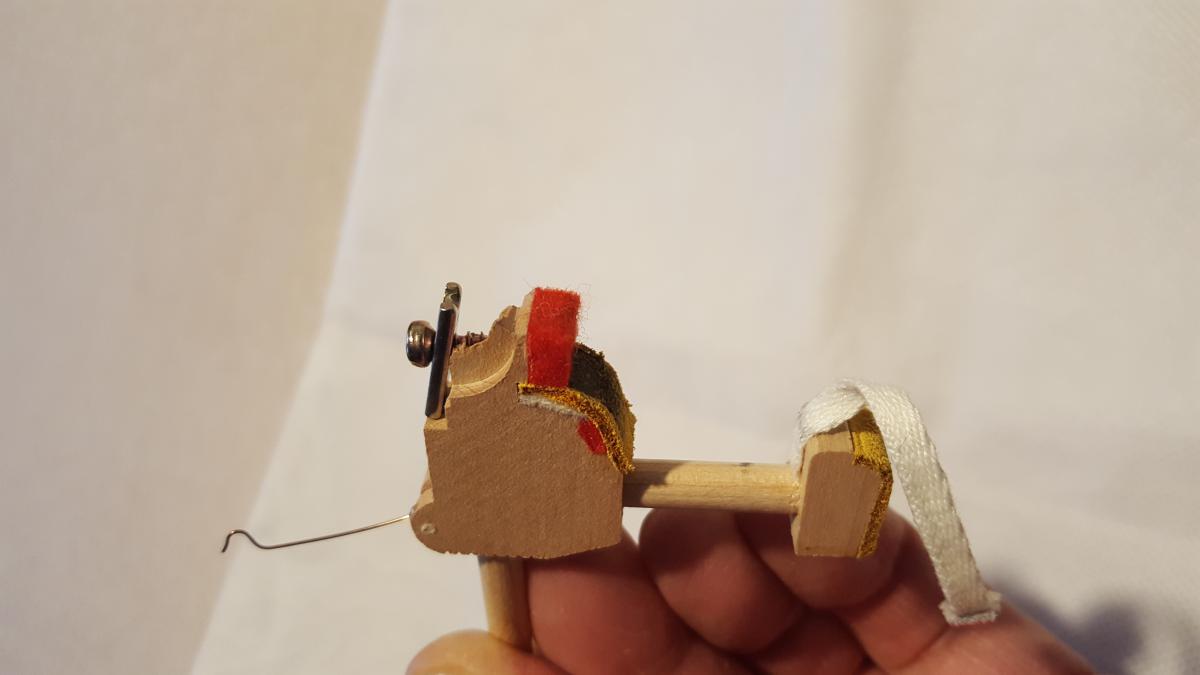
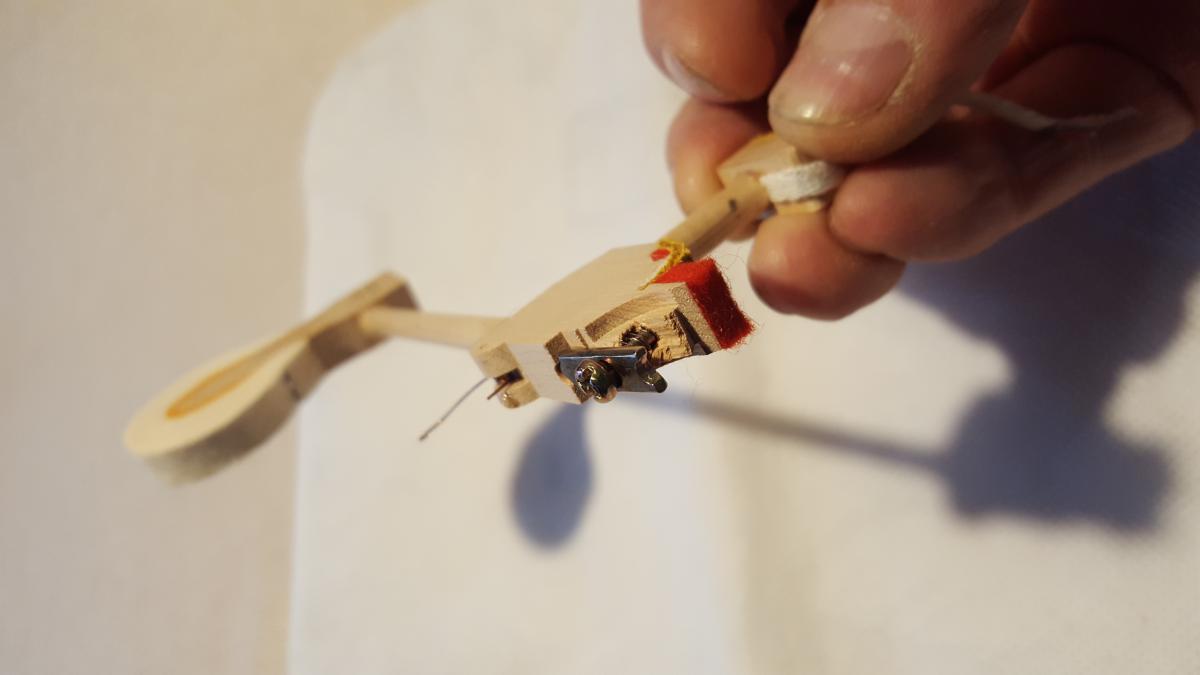
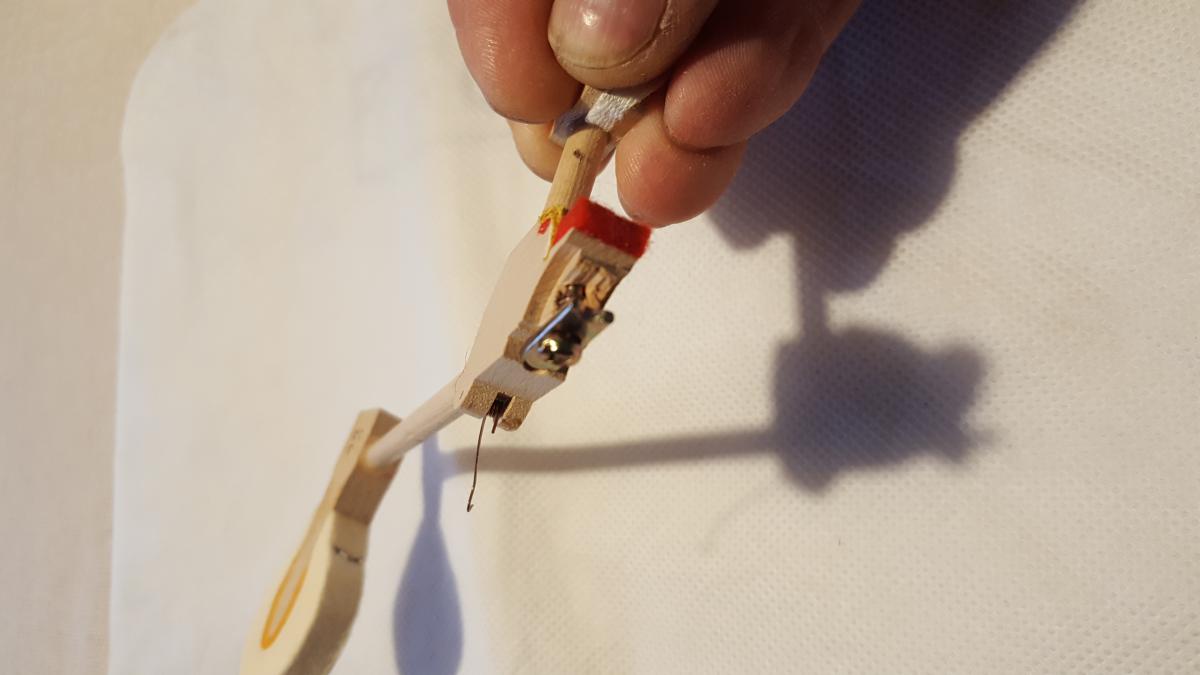
I contacted one of the two Abel brothers; they were very kind, gave me advice, and I sent them a set of hammers—the first and last of each section—specifying what I wanted, the current situation, and where I wanted to arrive.
They prepared a set of 100 hammers for me according to the specifications, cloning the dimensions exactly.
They arrived and, one by one, maintaining the same alignment as the previous ones, I installed them (rabbit glue, etc.).
Obviously, in compliance with the rules and also thanks to the videos of Maestro Ferrarelli (incidentally, I also graduated in Aquila, but two years later), I readjusted the distances and consequently the escapement.
So mechanically everything is fine, all okay, let's play.
The percussive sound has disappeared, the dynamics are much more controllable, but I lost a bit of brightness.
I forgot, before changing the hammers, I had taken a sample of all the notes.
I then spectrally compared the post-change situation and indeed the harmonic content, as well as the note decay, was better before.
I call Abel and he confirms that pre-voicing is necessary.
And this is where I stopped; I have a new hammer set, perfectly installed (correct distances, centering on the strings, perfect single string regulation, aligned and covered repetition lever return, etc.), but now I am afraid to use hardeners or work with needles, or worse, as I have read in some texts, to shave them to adjust the hammer profile—in my case, making it more pointed to gain harmonicity.
I have started re-reading everything, looking for videos and info, talking left and right; I want to understand.
Someone might ask me, "Why don't you just call a tuner, give them those two hundred euros, or who knows how much, and have the job done?"
1) because I want to understand and learn
2) because I don't want to feel like the blowhard who is told the work wasn't done well or that the hammers aren't the right ones.
The hammers were chosen by Abel, I positioned them one at a time, aligning them with the previous ones doing clean work; the action, after long study of the model, is regulated to size and uniform, so I think the starting point for pre-voicing is good.
I was thinking then of getting a few sets of stiletto + forcola, using the leftover hammers, and doing some tests with the hardener and the needle voicer.
Do you have any other suggestions?
Thanks and bye to everyone.