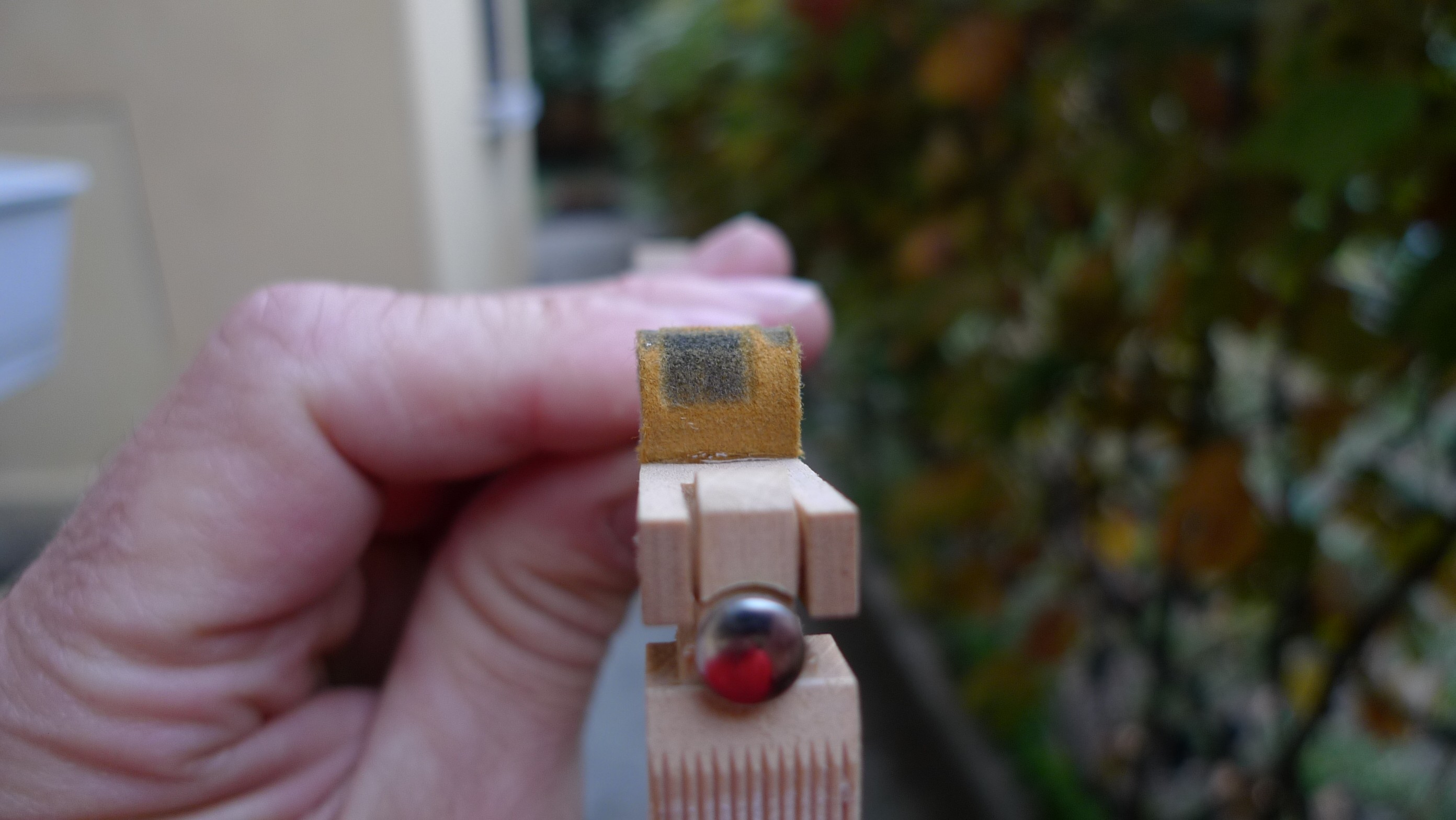
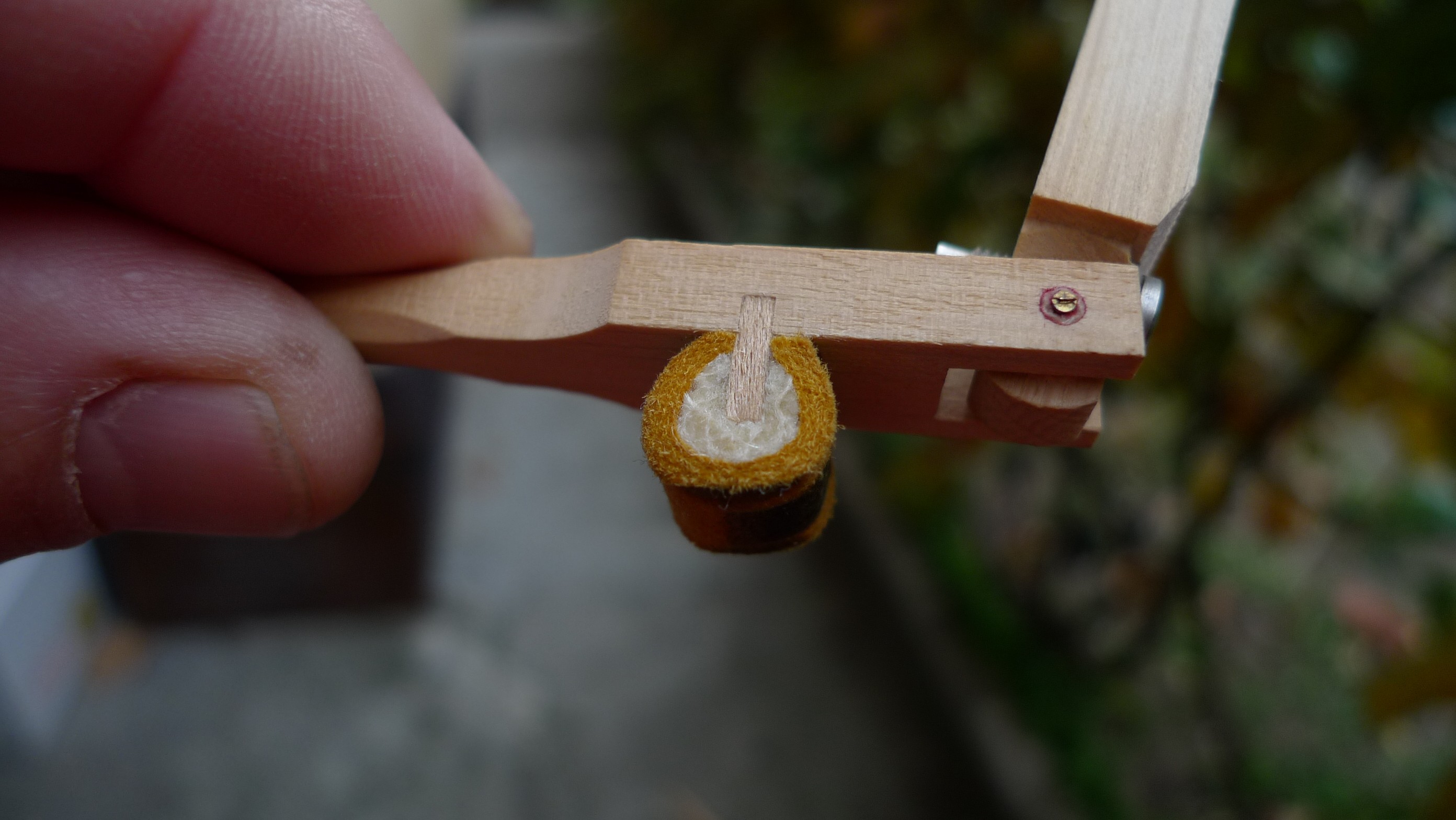
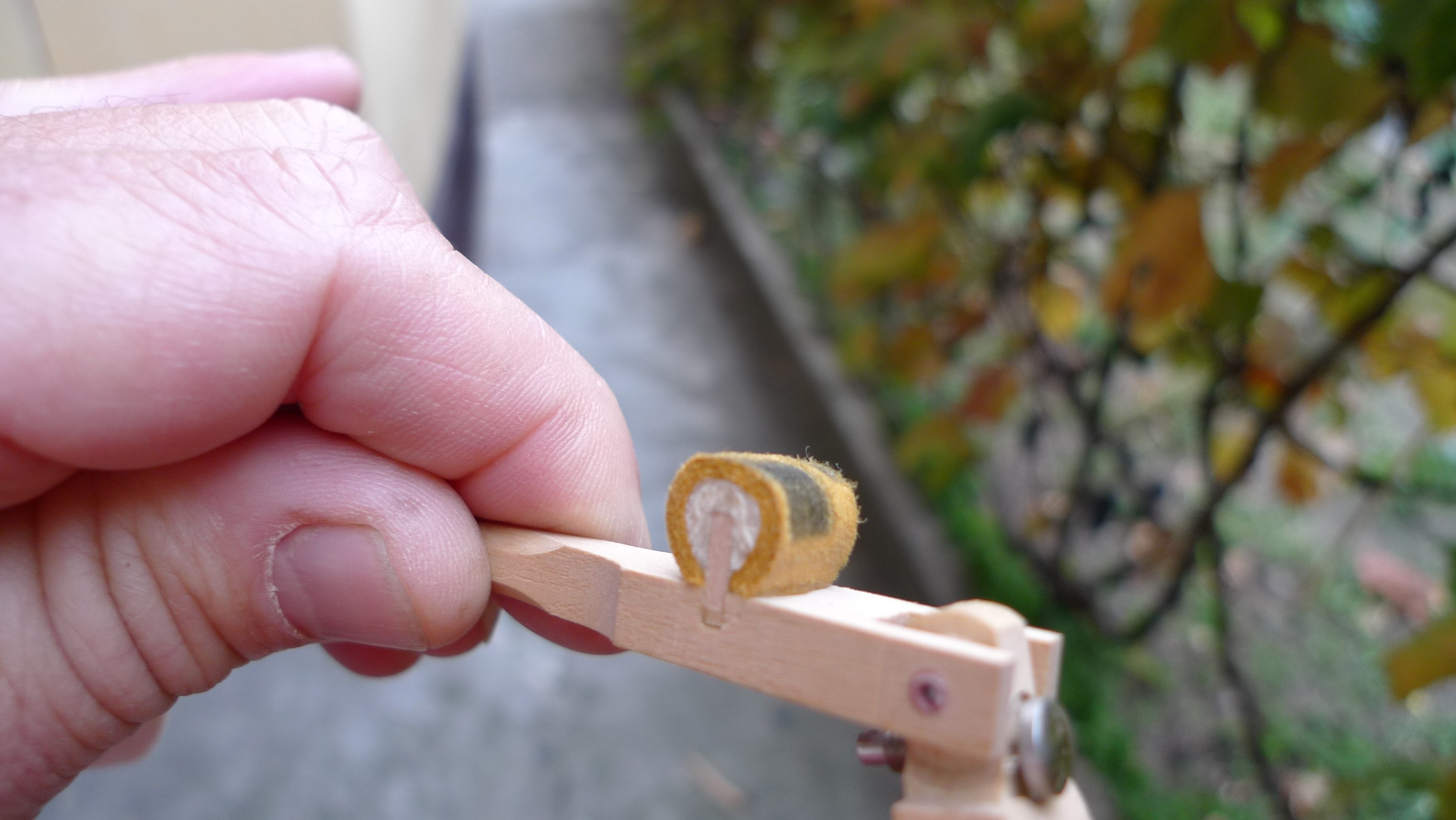
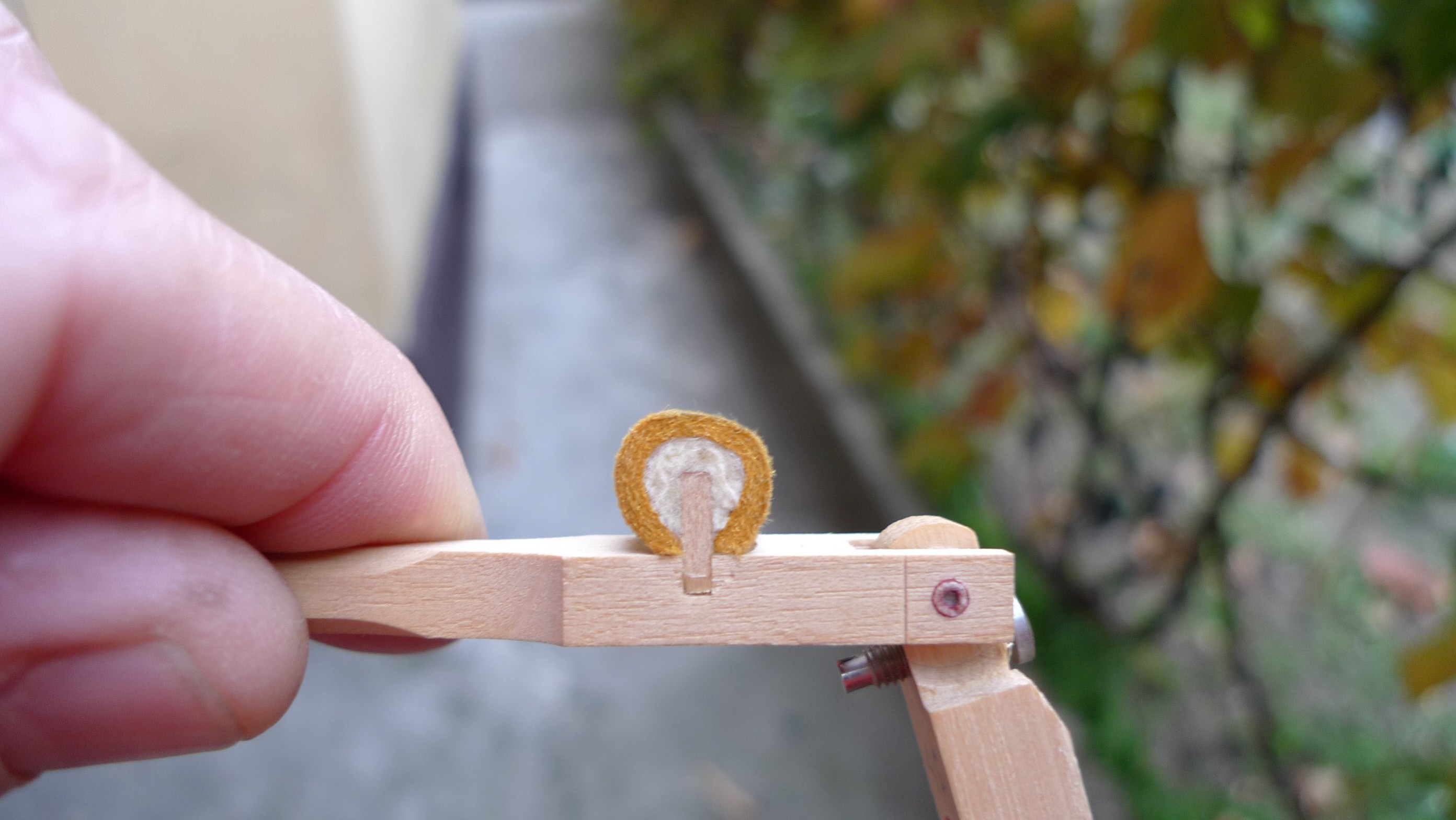
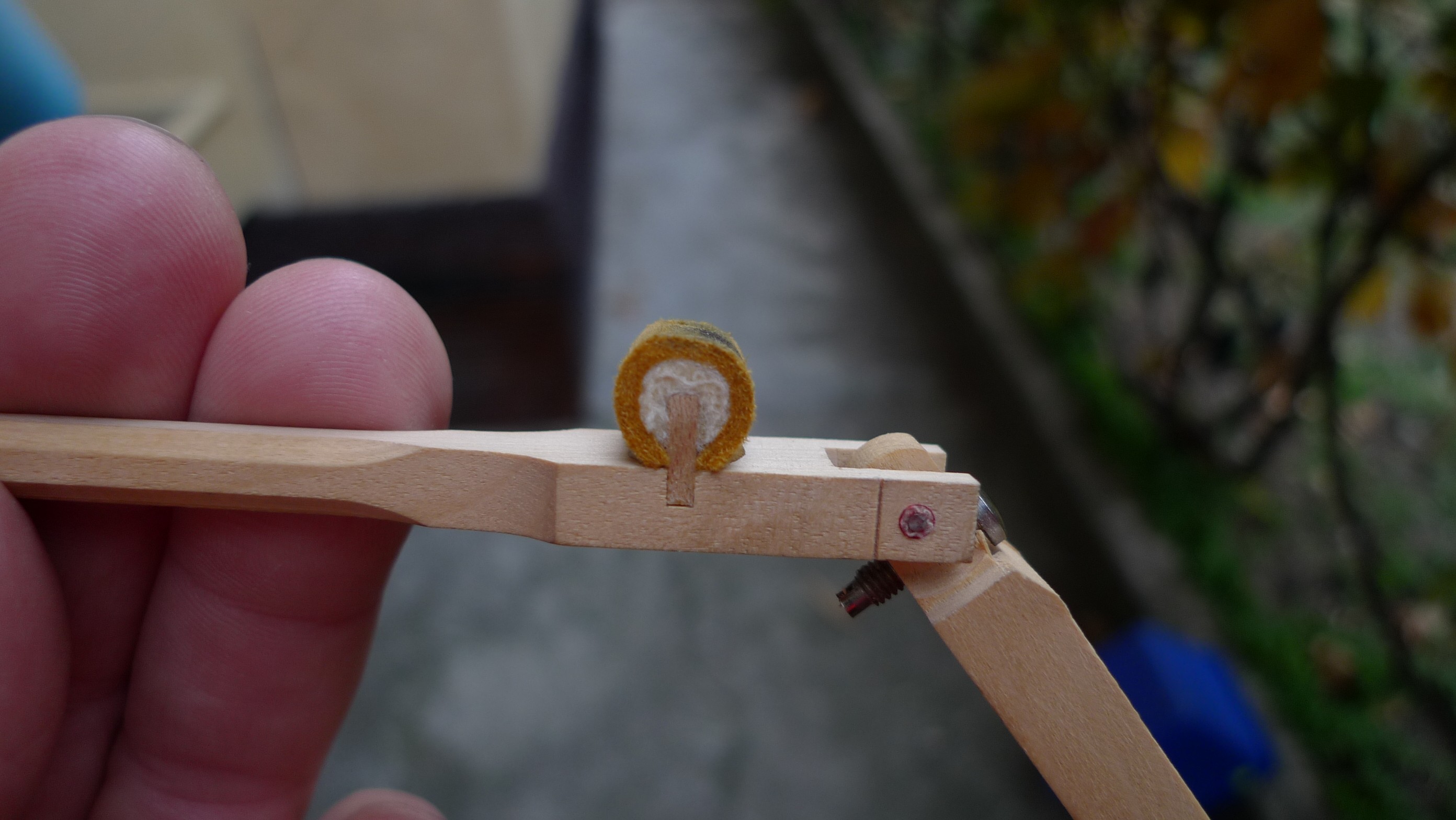
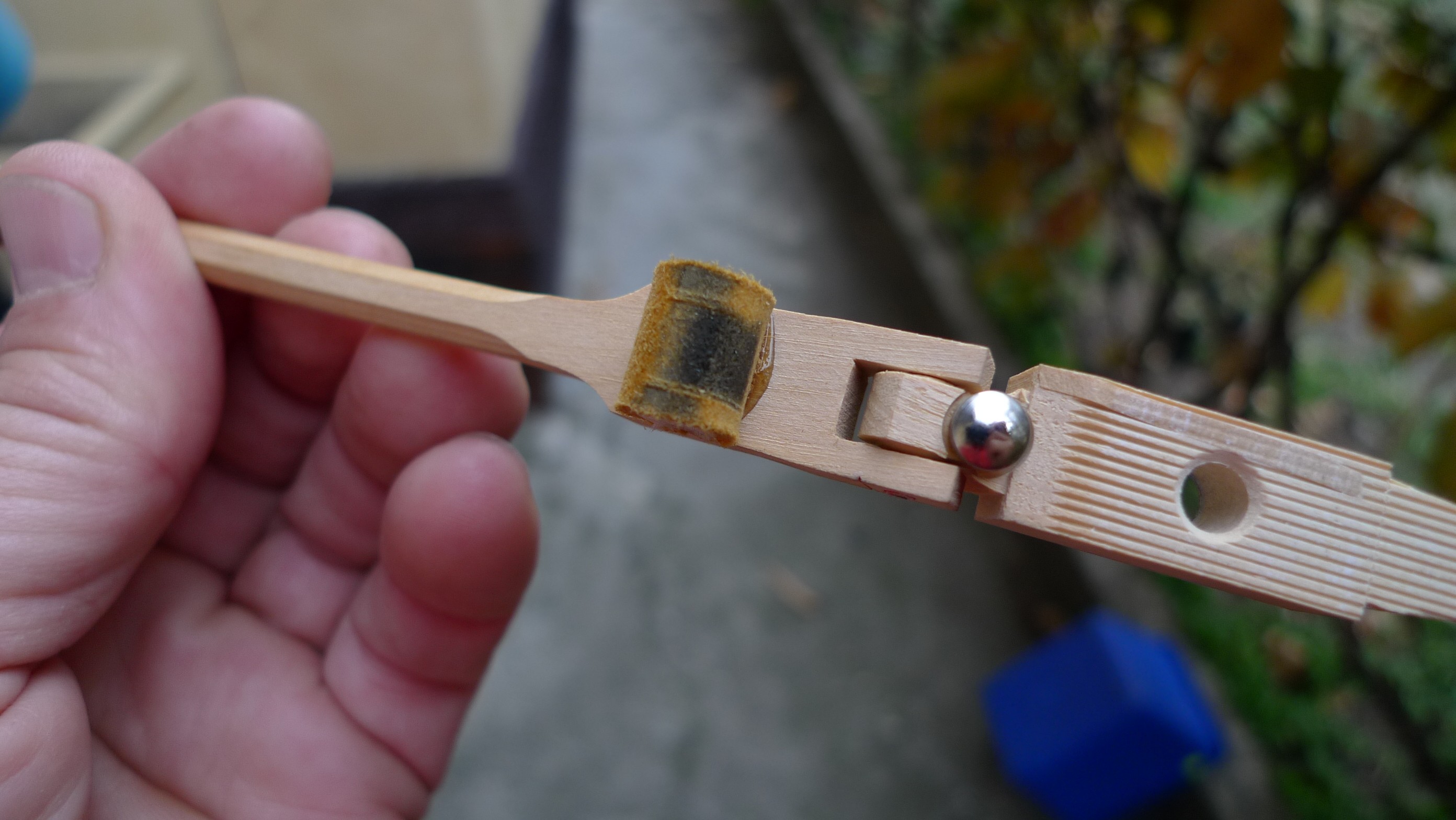
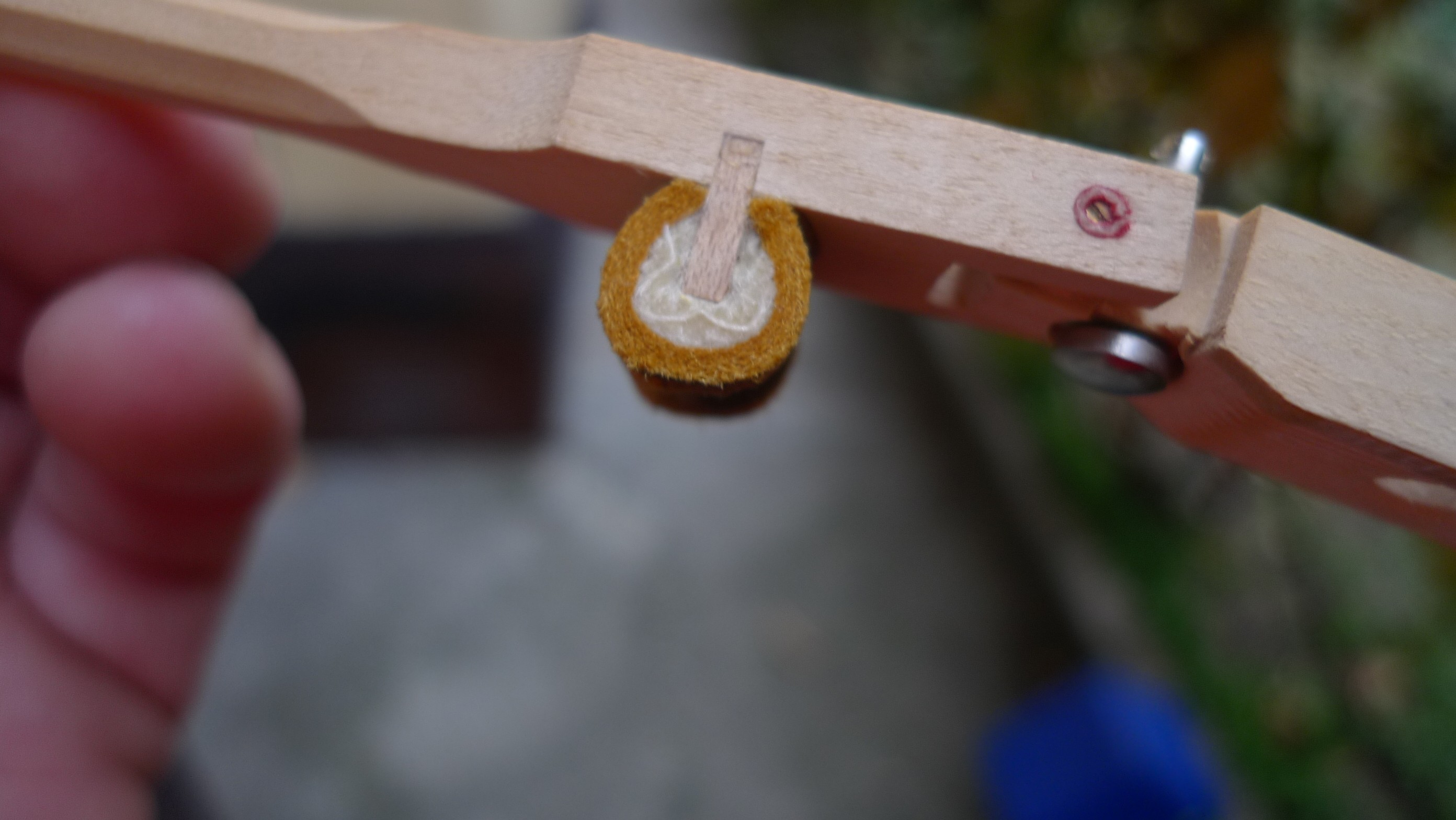
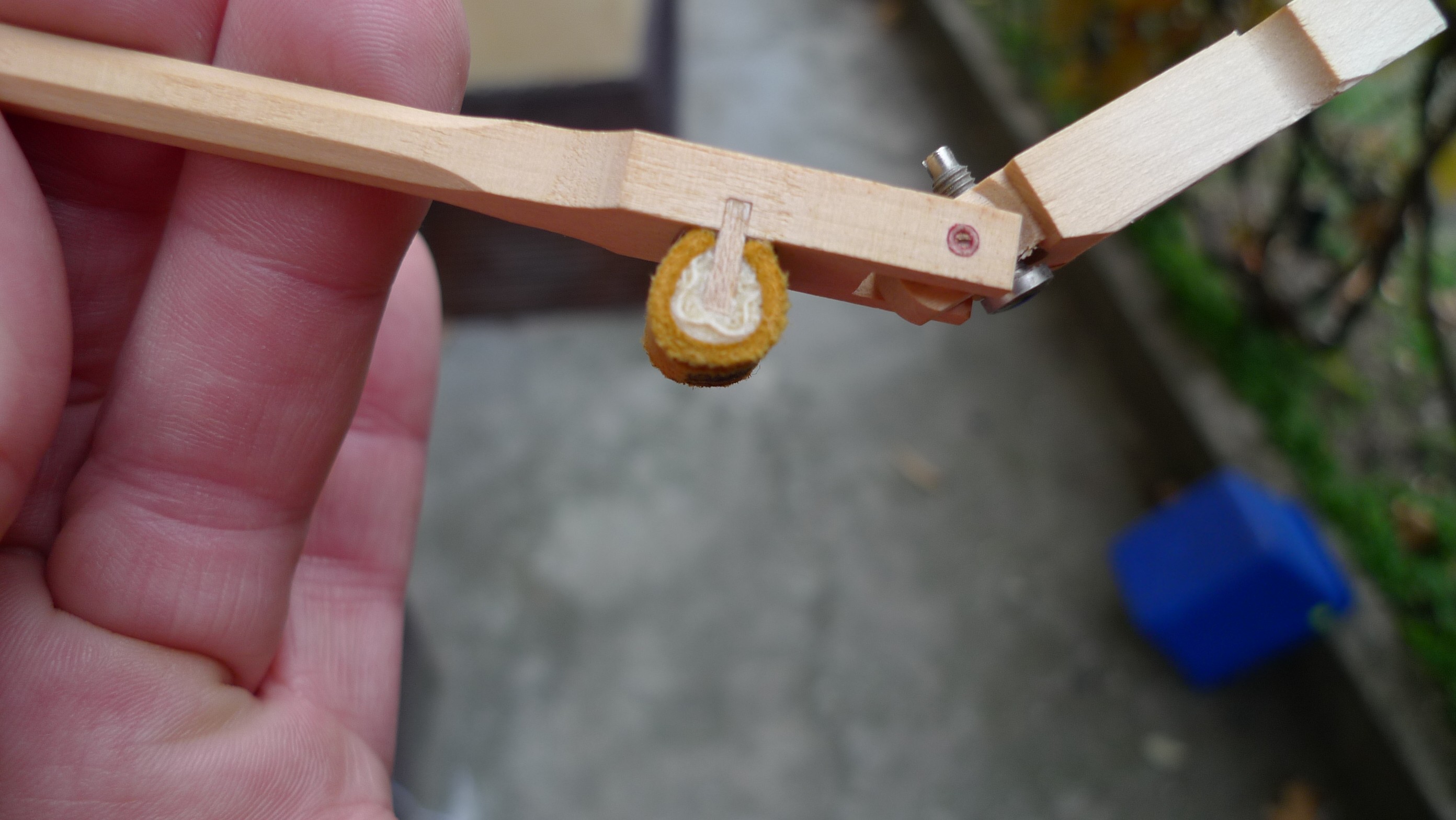
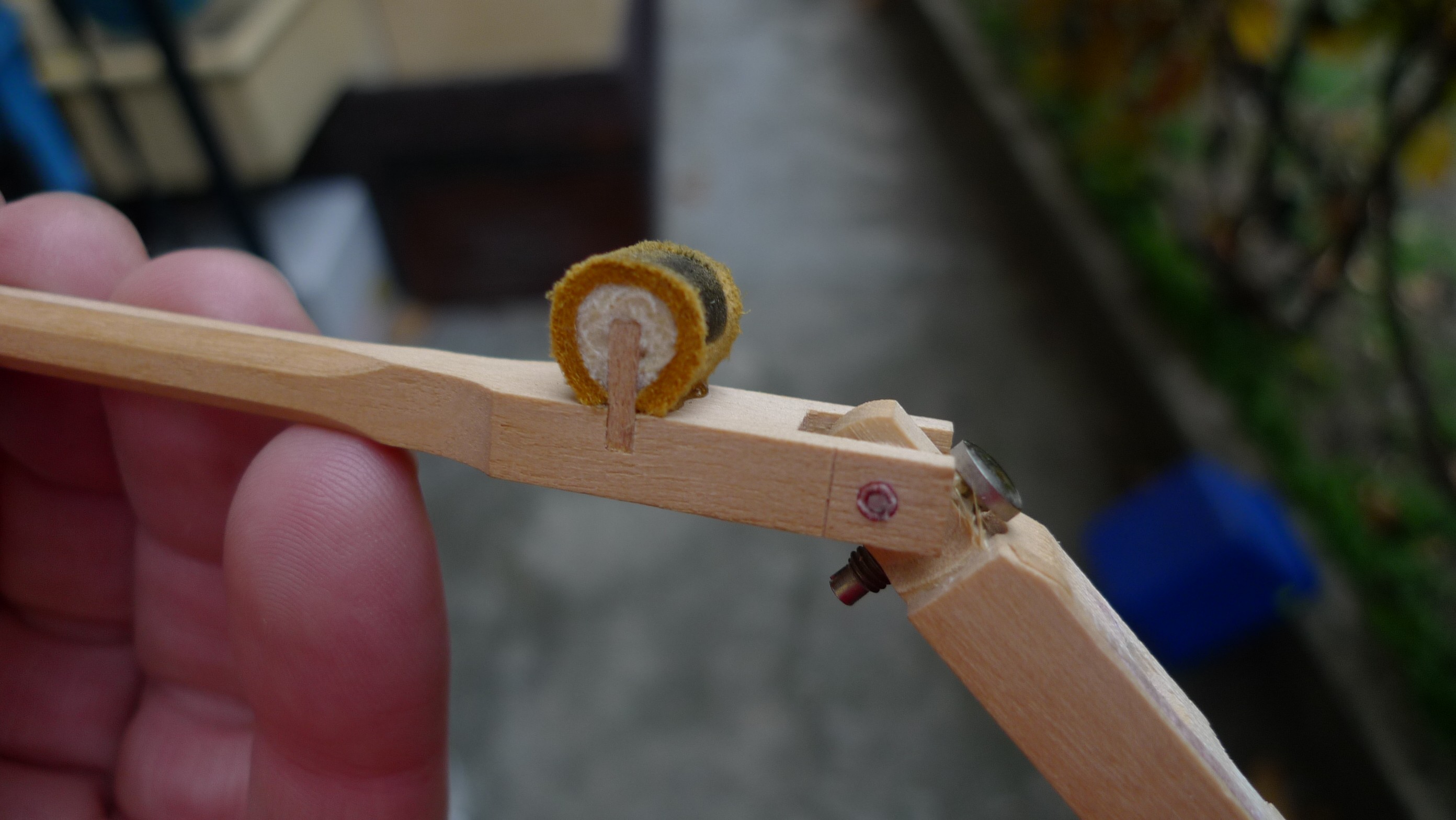
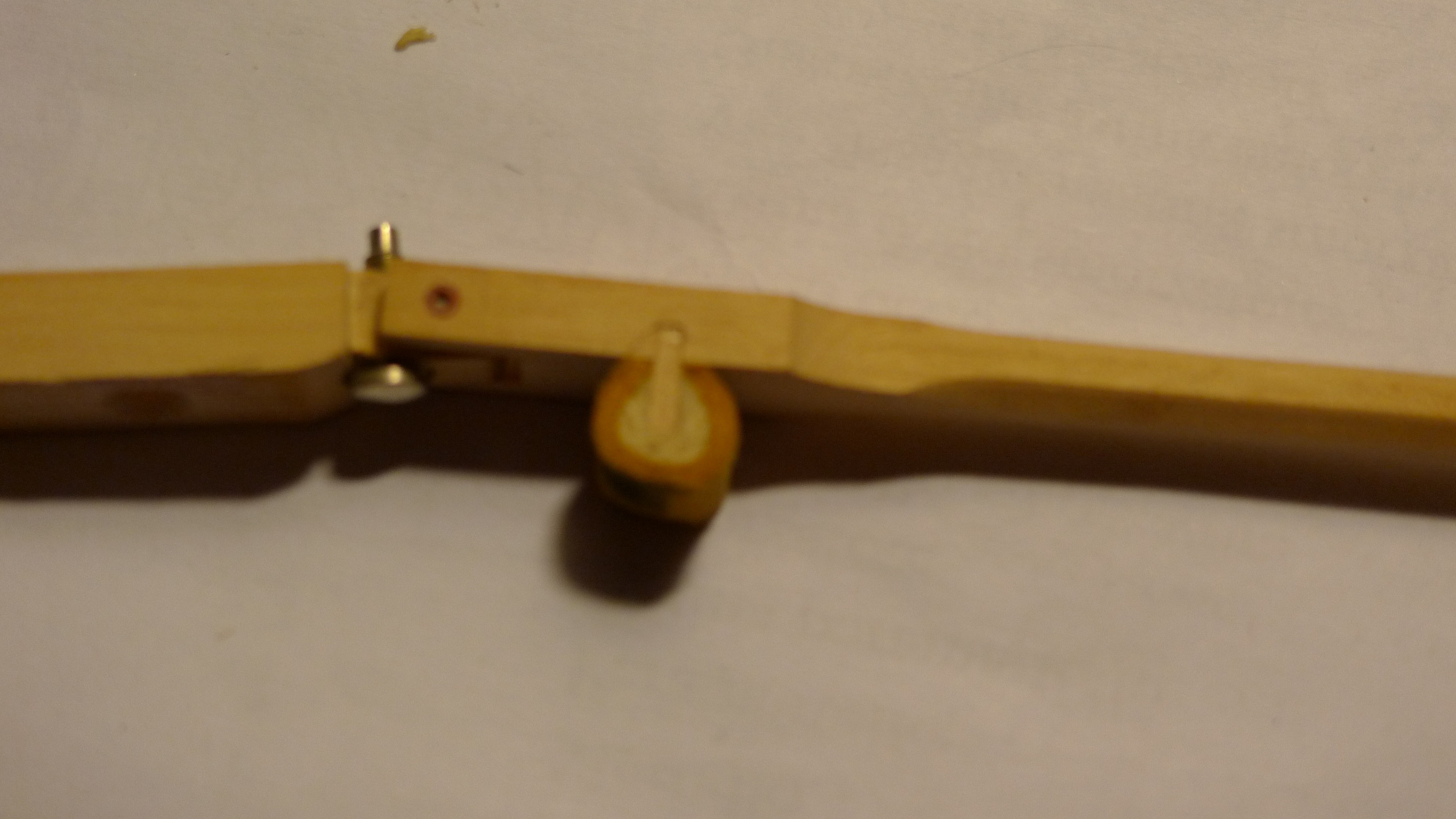
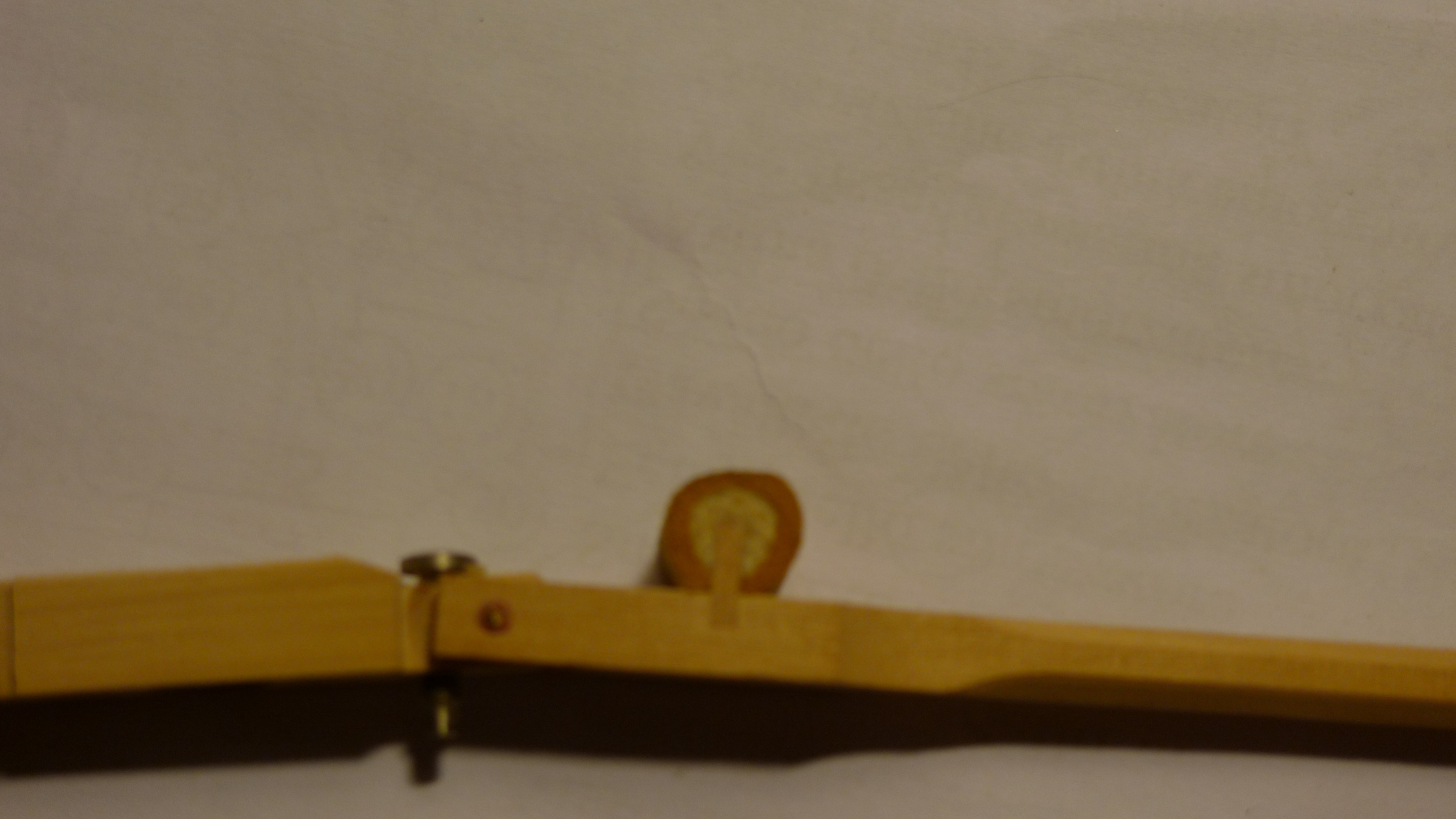
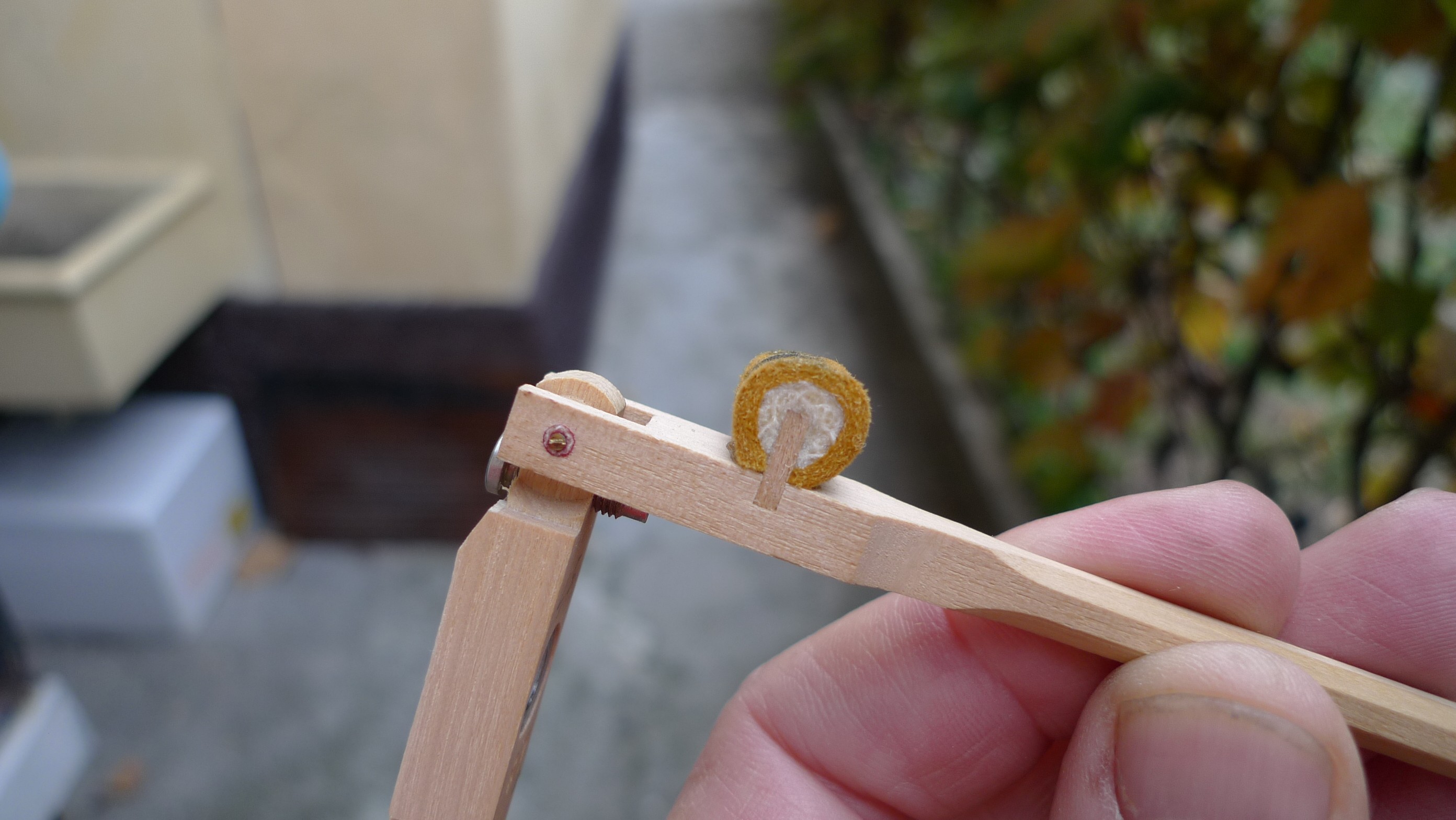
they don't seem that worn to me! Rather, they don't seem to be of excellent quality. The action should be Renner. Perhaps they have raised the "nap" a bit.
You can intervene like this:
Get yourself a dense brass brush and brush them following the smooth direction of the grain. You will see that they will renew themselves. Then, always following the direction, use 280 grit sandpaper and then 360... maybe even 500 if necessary. Once they have regained their round shape, apply a little graphite powder or, better yet, Teflon powder, but I don't think you'll find it. No talcum powder or other things. Make sure to see if the capstans are graffitied. Then you can apply liquid graphite with a brush onto the repetition levers. Then you must polish it with a piece of hard felt. Better with a Dremel with a felt tip. The graphite must be shiny.
Good luck with the work
P.S. after the work (without dismantling the hammers!!!) check the regulation!
P.P.S. Changing the rollers is a bit difficult and I don't recommend it. In fact, when it is time to change the rollers... it means that you need to change the hammer rail. Then you change the whole hammer!!!!!
T
Tiziano
Member
Reply 3 by Tiziano
Posts
13
Thank you very much, I will follow the advice and (I think during the Christmas holidays) start. My tuner had already changed my hammer rail 3 years ago anyway.
So. The fact that the hammer rail has been changed raises some doubts for me. Pay attention to the weight of the six hammers. A greater weight, even if balanced on the keyboard, can increase the rolling friction of the felt rollers. And then... have the capstans also been changed? If so, with which ones, and if not... why?.
The capstans must not be disassembled because it could be difficult to regain the hammer position in which the small grooves correspond to the strings. This could result in an intonation discontinuity. It is not necessary for brushing, shaving, and graphite-coating the rollers.
T
Tiziano
Member
Reply 6 by Tiziano
Posts
13
First of all, compliments on the precise and timely responses, compliments on the site, the videos, and the kindness. I will try to provide a more precise description of the instrument and the work performed:
The action is a Renner and the piano must be from the 70s.
The work on the instrument was carried out 3 years ago and since then it has been played for an average of two hours every day.
The work done includes: Replacement of the steel strings, not the wound ones - Replacement of only the hammers, not the shanks; I don't know why, but at the time I trusted them and didn't deal with the piano action at all - complete regulation (in the tuner's opinion) of the action.
To the naked eye, the hammers are not mounted with extreme precision, some are slightly crooked, the repetitions are not all centered on the key, the keyboard has excessive play, even impressive in the central area, and the keys rub against each other.
Since I have quite a bit of time, I have become passionate about the instrument's action and wanted to optimize it calmly without spending exorbitant amounts.
There are many doubts; I am studying Giovanni Bettin's book which, although very technical, I like; I know several tuners whom I partially trust; any advice is welcome, even though I understand perfectly well that an on-site evaluation would be the only effective one.
Well. You are studying and exploring. I believe that the hammer rail work is compromised and I believe that this Gentleman did not even return the old one to you. It is important to know how the House shaped and chose the hammers. The fact that the shanks have not been changed is against common sense. If the hammers are worn to the point of needing replacement, the shanks (center pins) and the repetitions must also be replaced.
Now try to realign all the action parts on the keybed and then center the hammers on the strings. The bridge and the repetition must be centered. If you cannot compensate for these alignments, something is wrong. Pay attention to the height of each hammer. If it is uneven, you must place shim paper under the capstans and correct with a flame. It is very delicate work, but it leads to an effective result. The hammer heads must strike the three strings of the unison simultaneously. This is the goal. If the hammer rail was glued approximately, you must try to compensate for the deviations and discover if the drilling is at the right distance and inclination ( VERY IMPORTANT!!!!!!). This is why the original hammer rail is always returned. All differences in drilling can compromise the "geometry of the action". So try to bring the hammer rail back to the correct spacing. It is a bit difficult. The best thing would be to consider replacing the hammer rail and the shanks again. Work that must be entrusted to an expert person. This way, one could once again check the leveling of the keyboard which.... I hope.... has not been modified.
Hello everyone, I am following this forum with extreme interest, as I admire the competence of the moderators. I wanted to ask: where can one find graphite powder? Thank you! Massimo.
Hello everyone, I am following this forum with extreme interest, as I admire the competence of the moderators. I wanted to ask: where can one find graphite powder? Thank you! Massimo.
Thanks Mike, it's truly an exceptional store, there is really everything for the piano and, among other things, it's half an hour's drive from my house...Now I'll make a shopping list and then submit it to the forum for advice...Thank you so much!!!