Technical problems and their resolution

Wurlitzer console piano

14 replies 2,367 views

Started by

Joy

Member

Member

Opening post by Joy

Posts
10
City
Concordia Sagittaria

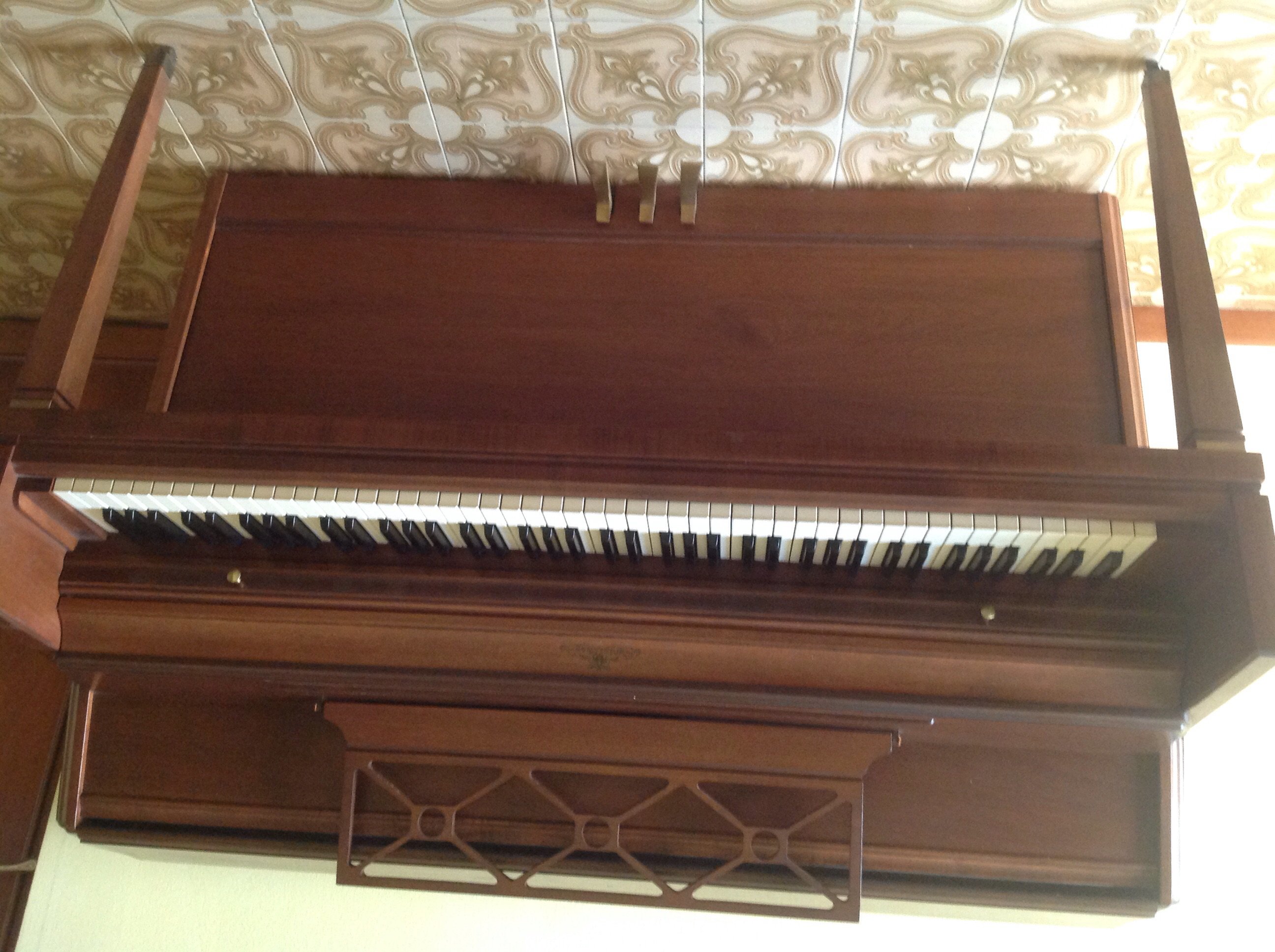
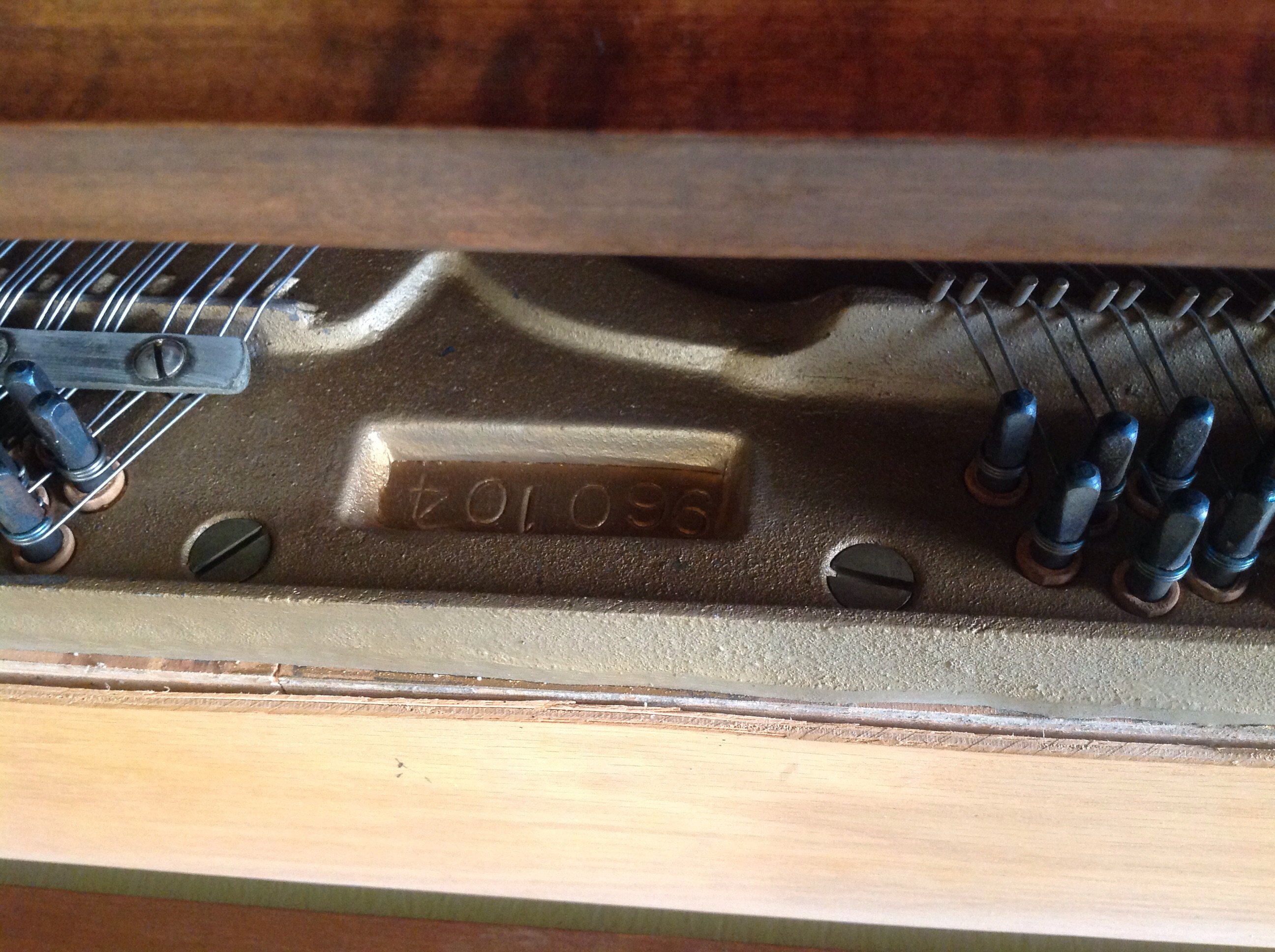
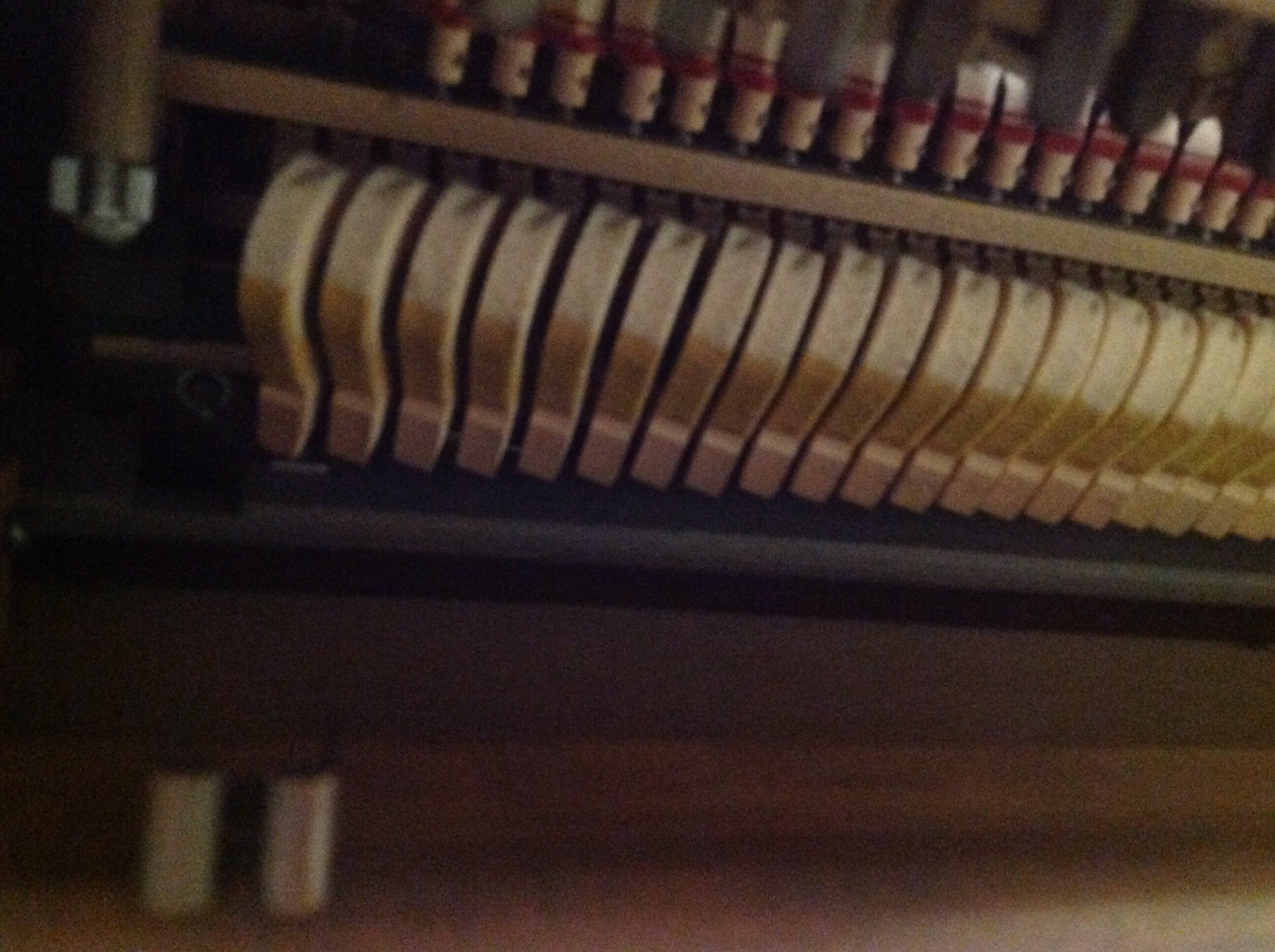
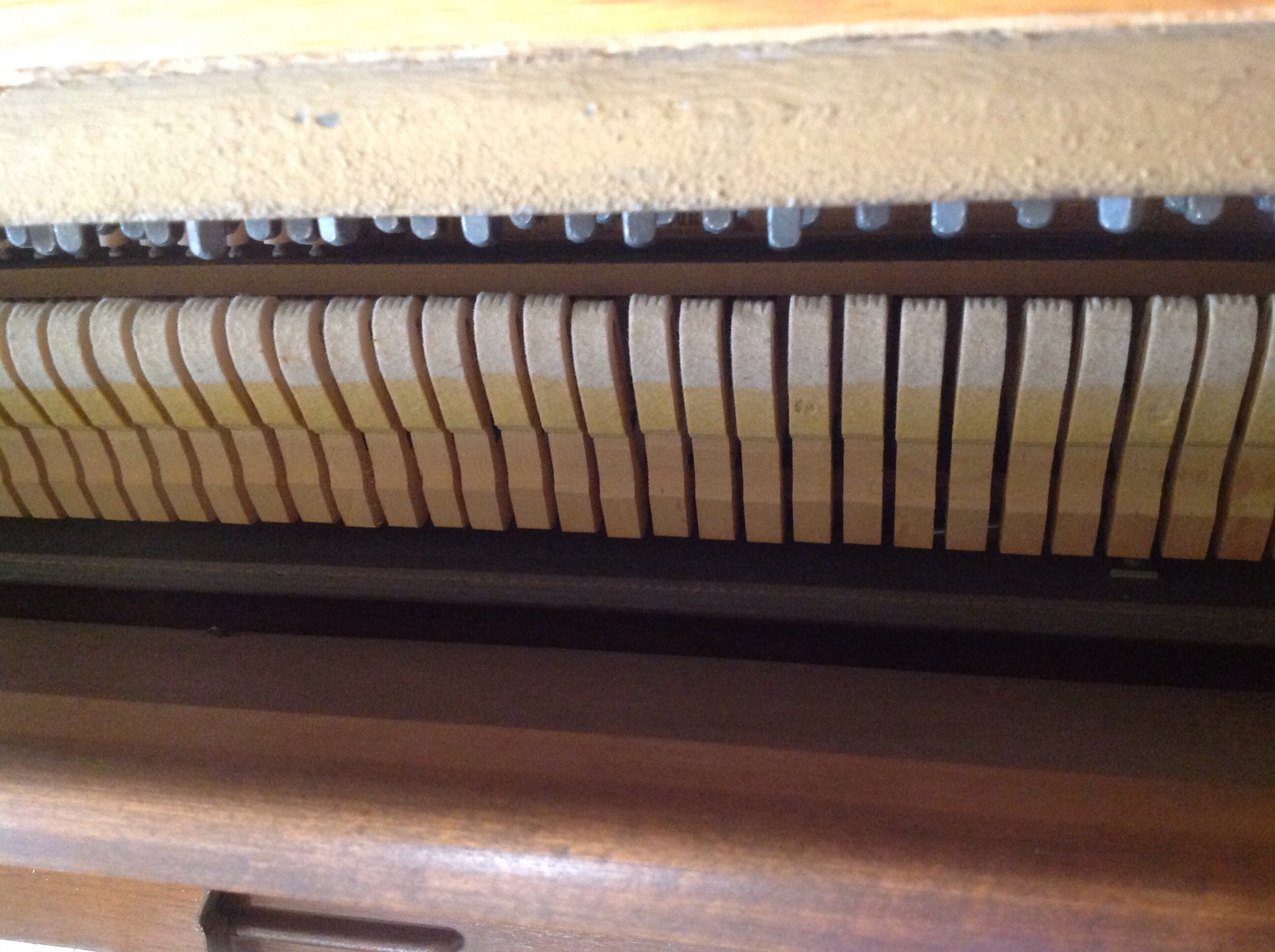
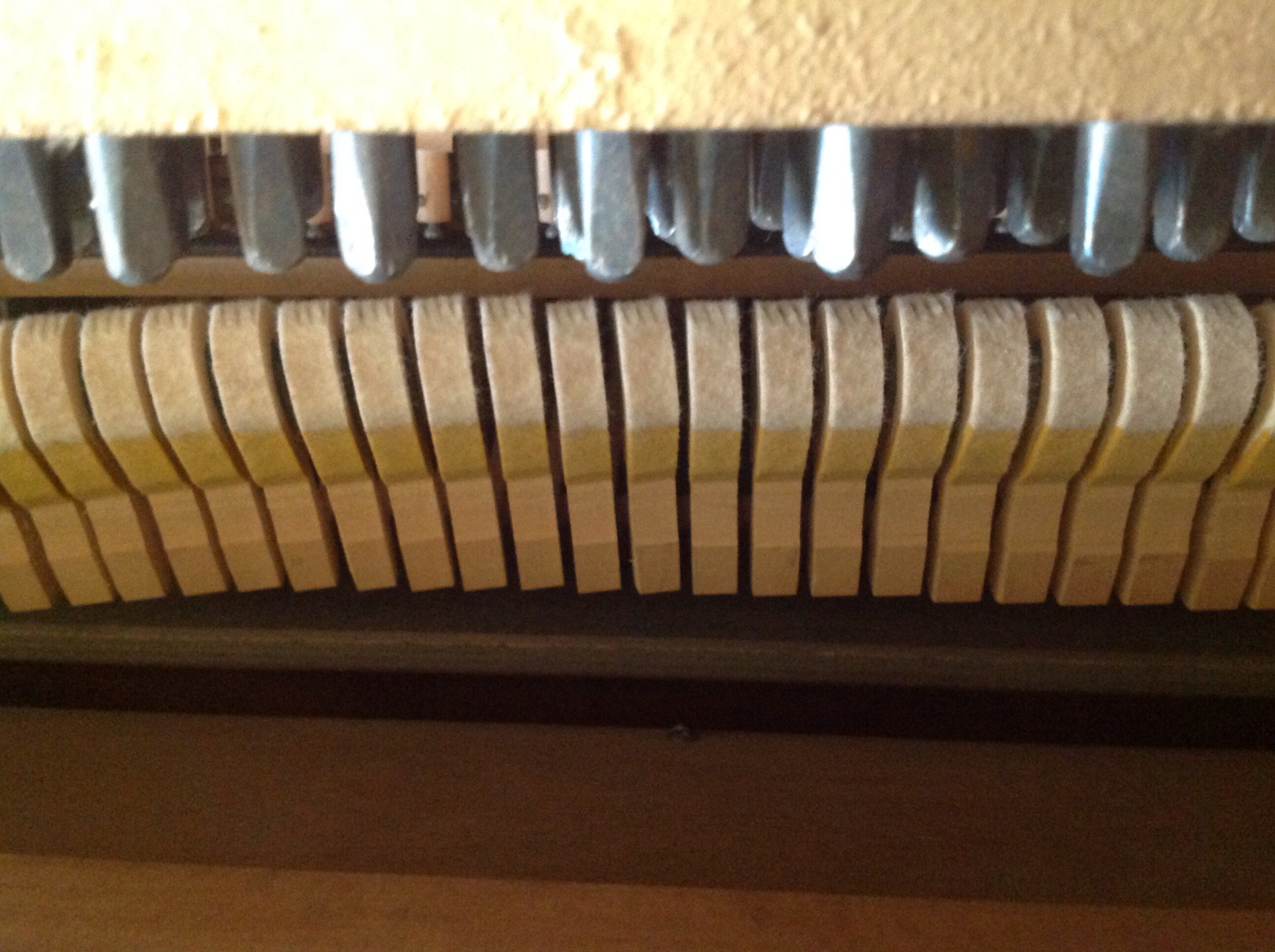
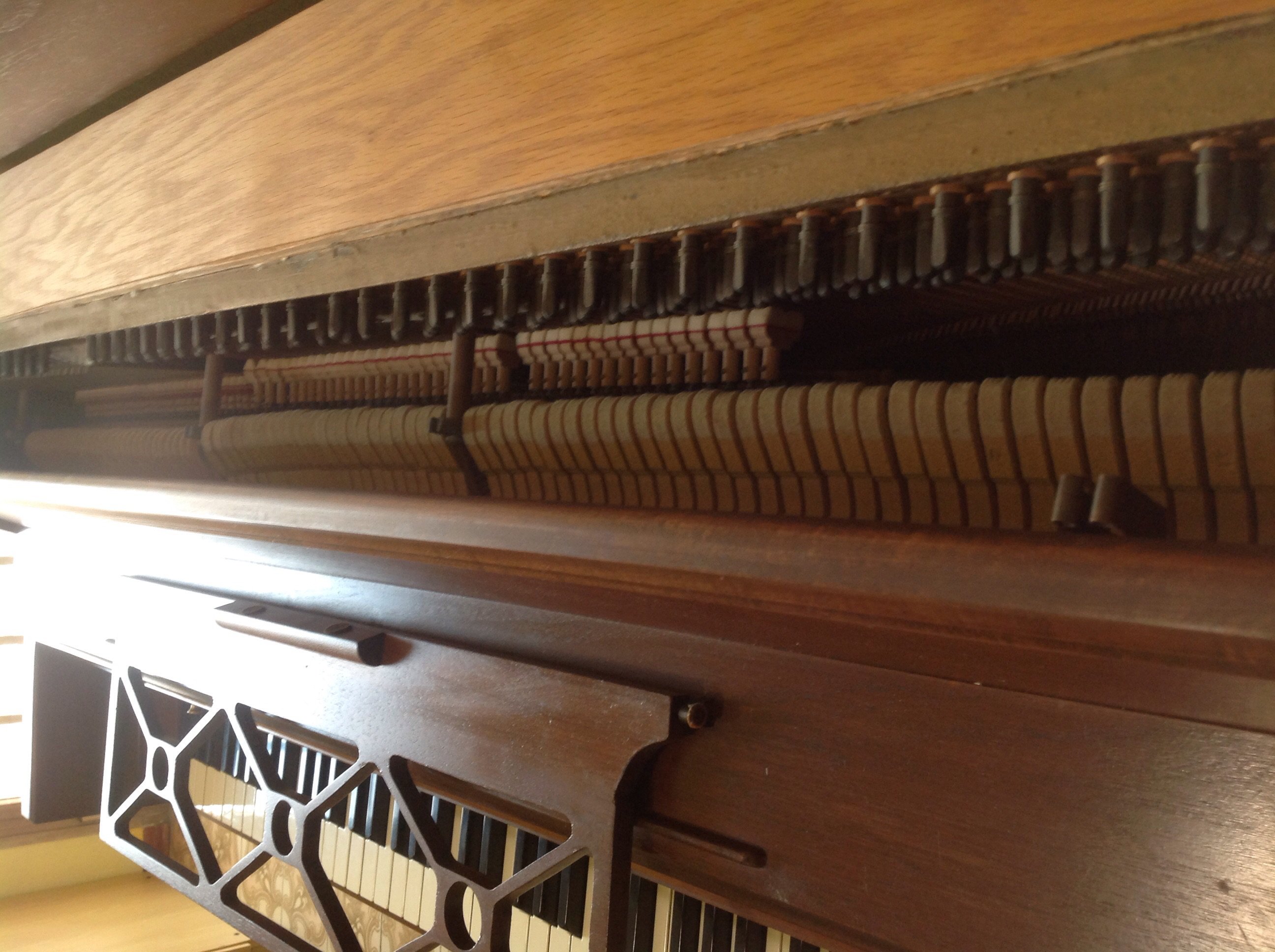
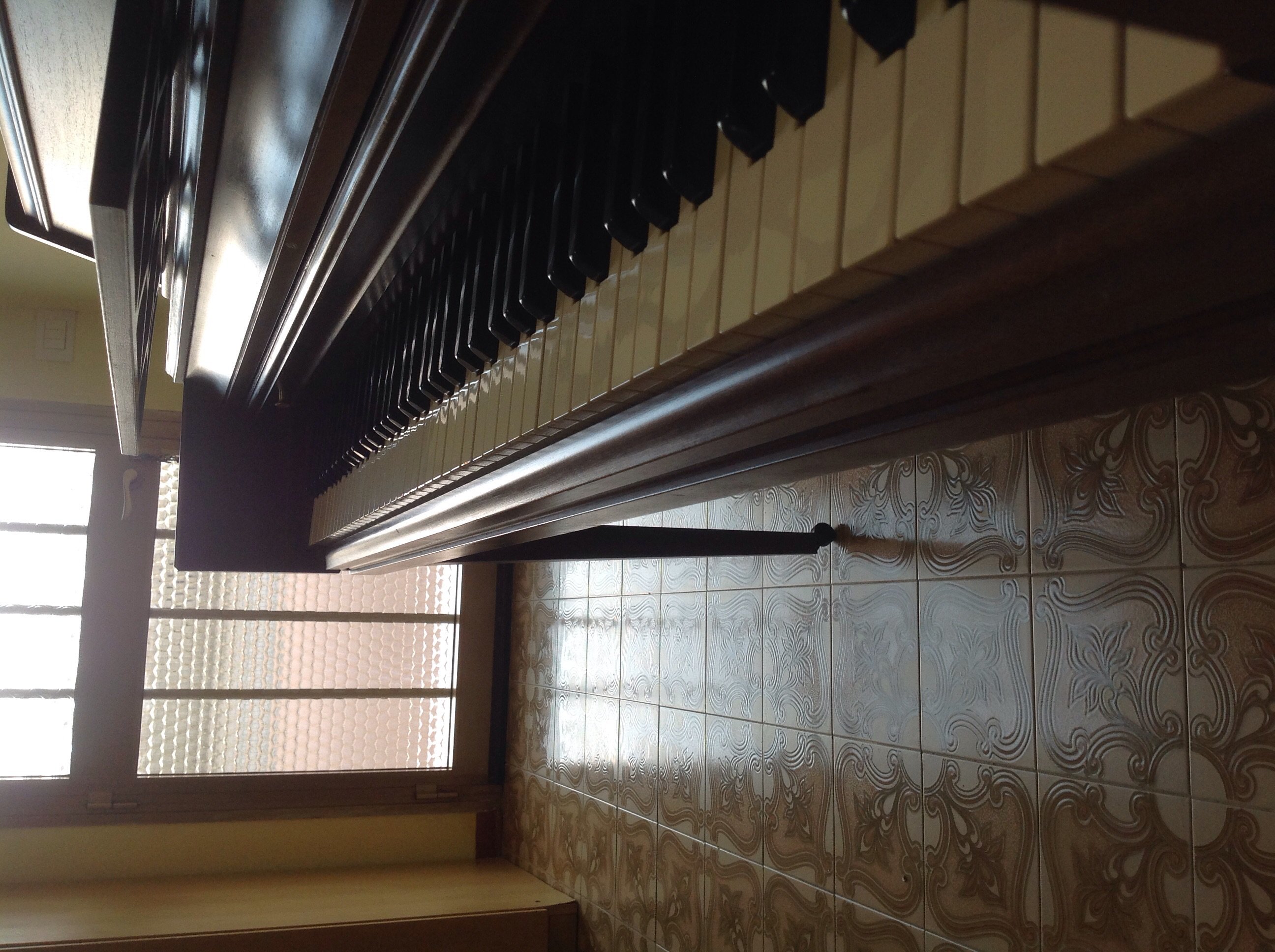
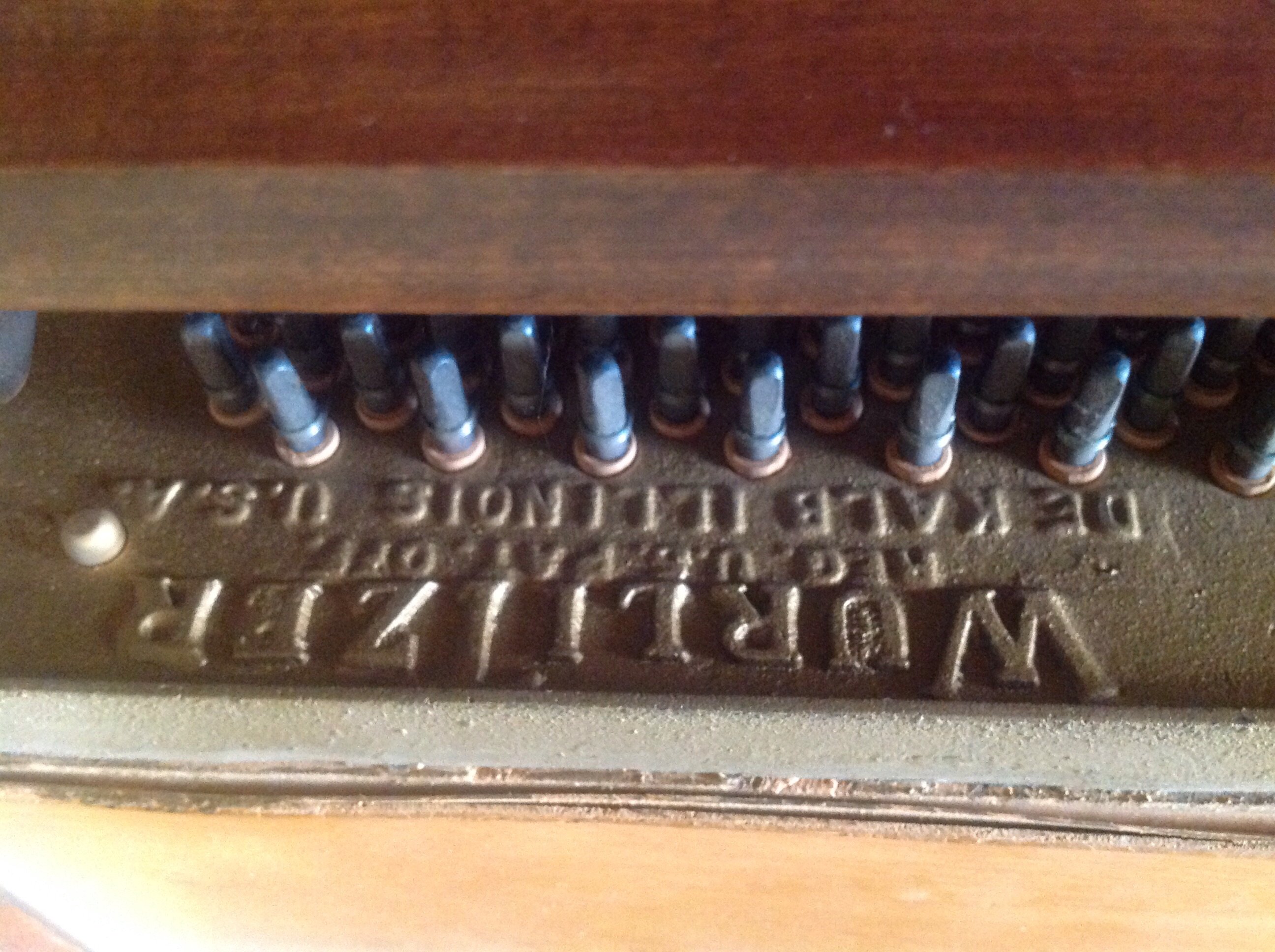
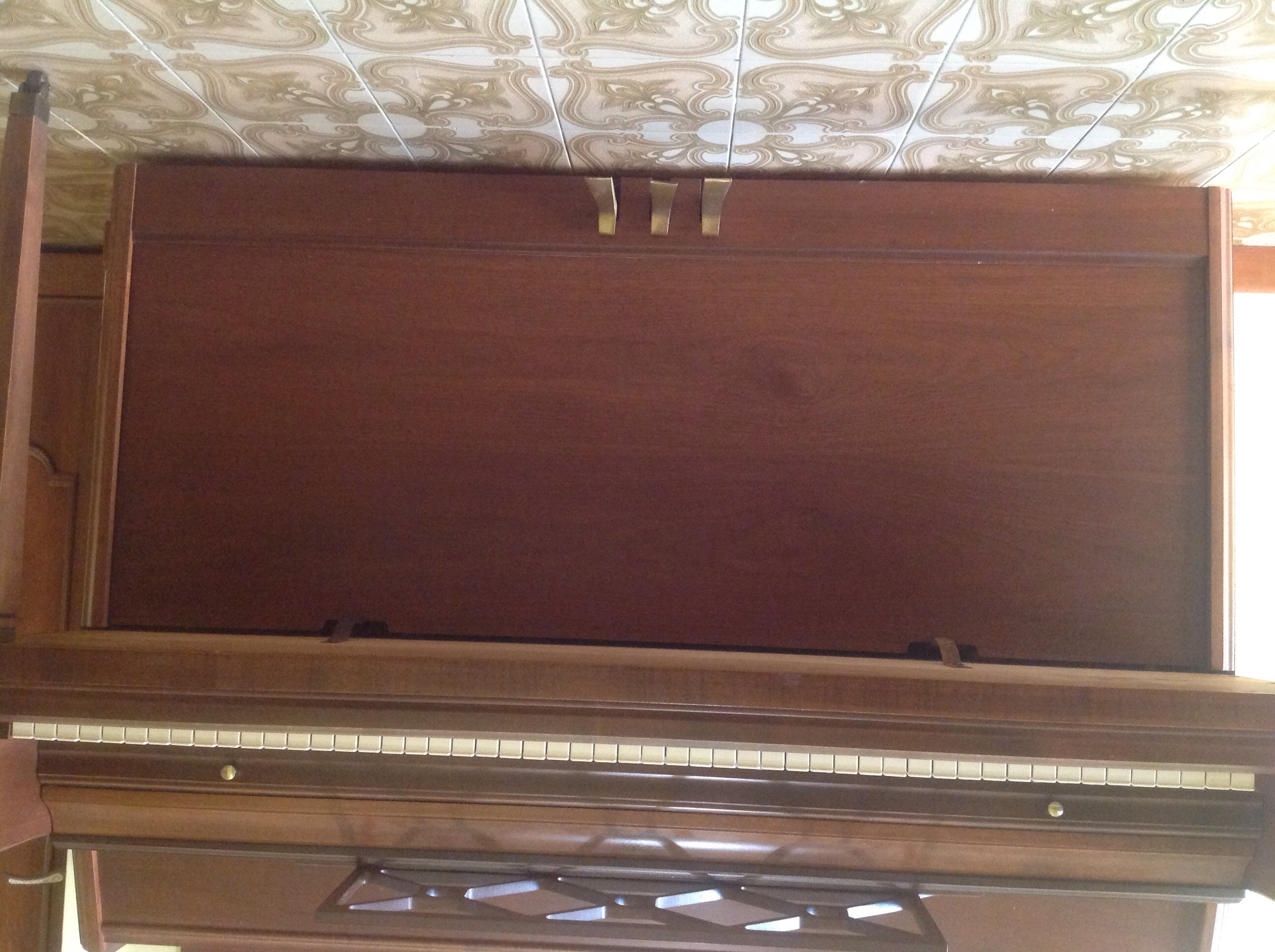
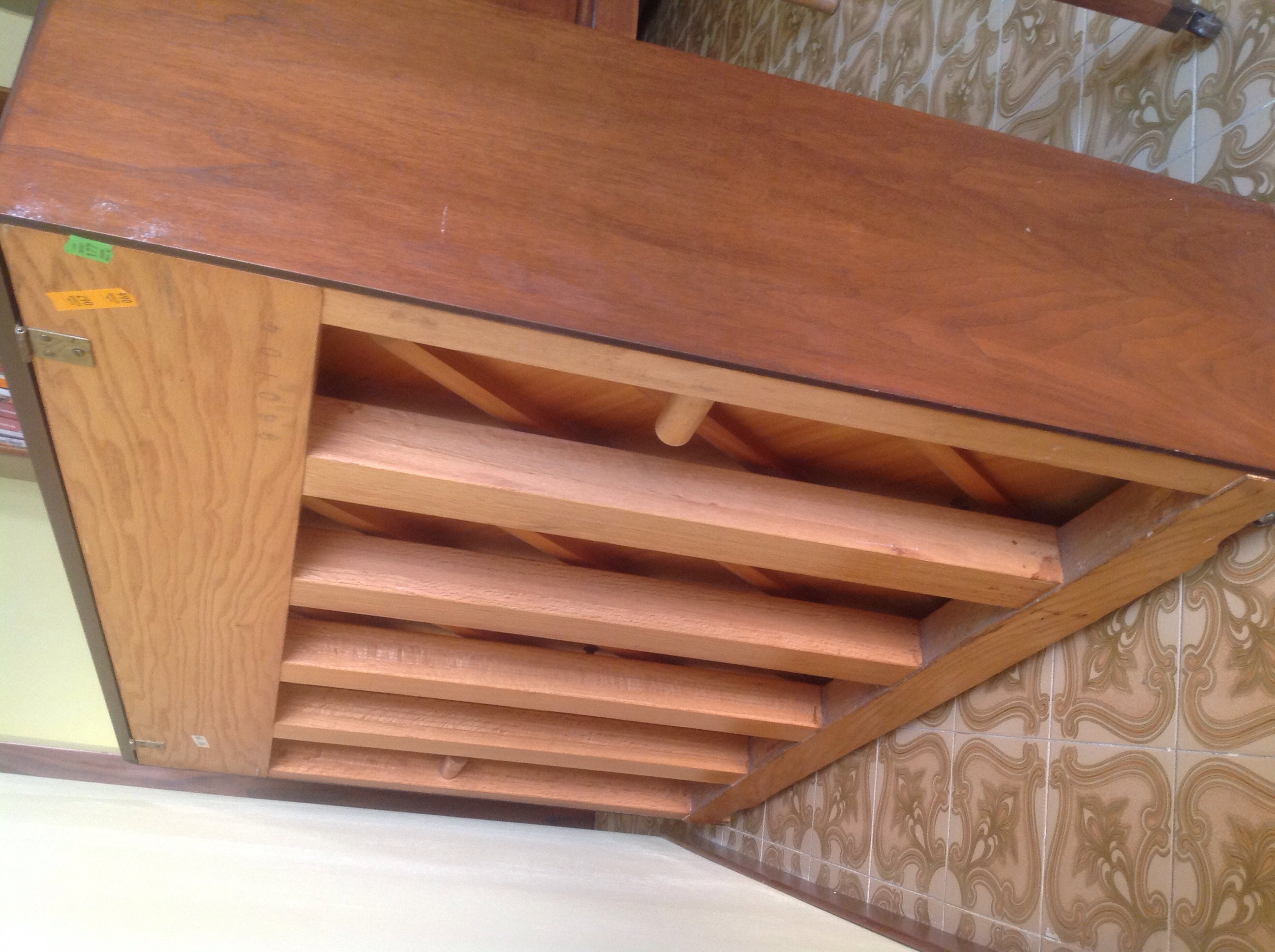
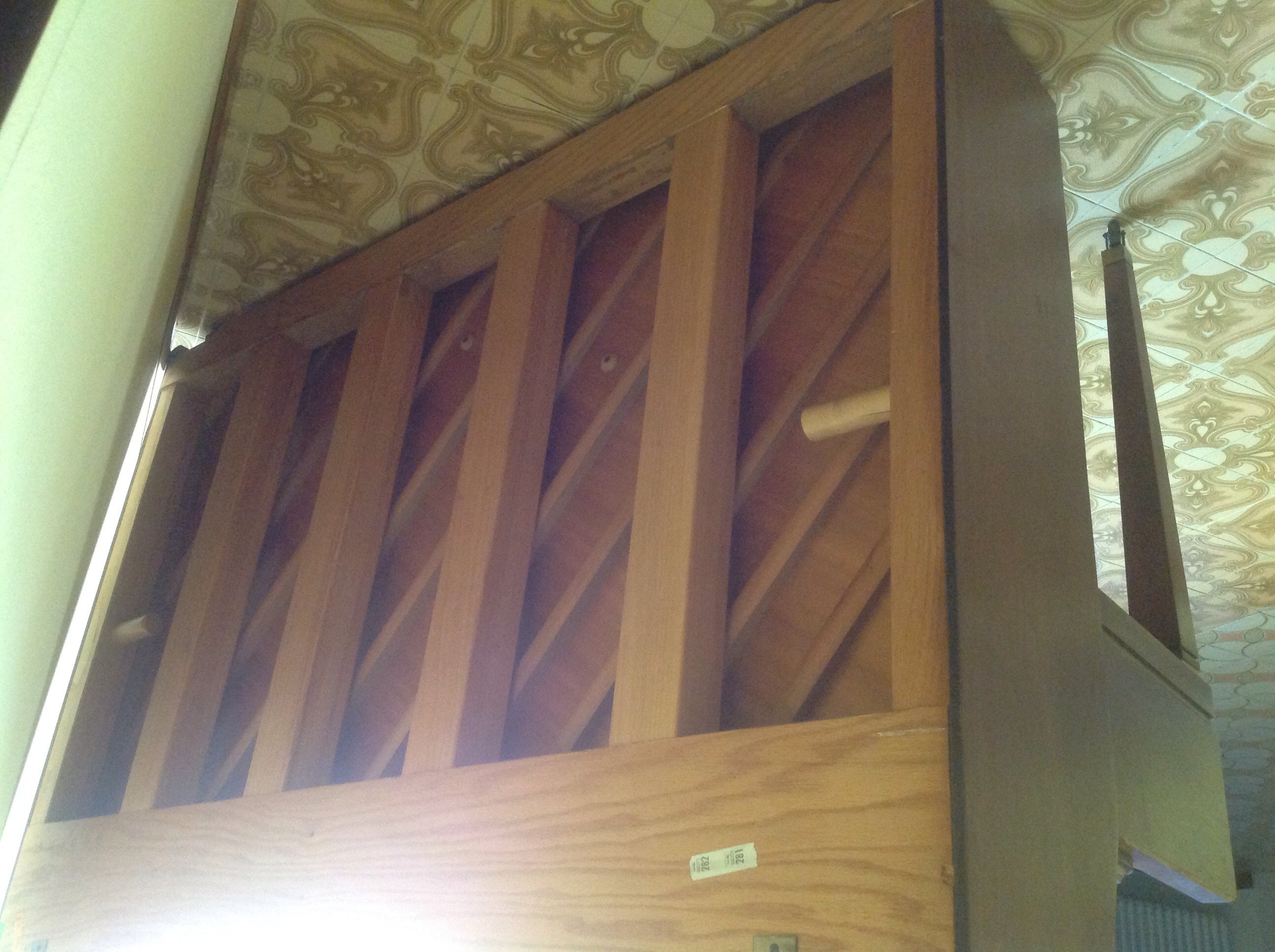
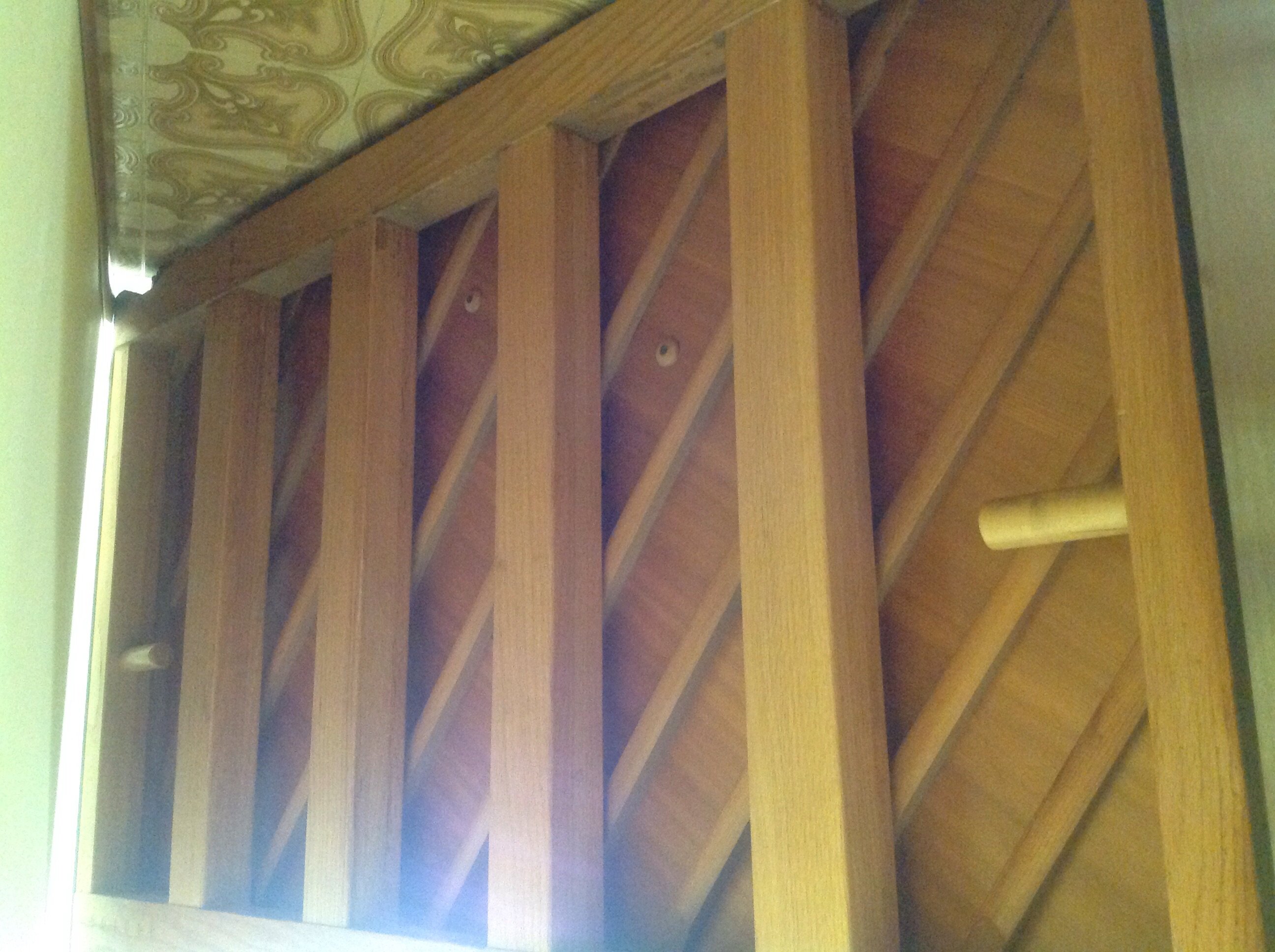
Hello everyone. As of today, I am the owner of a Wurlitzer console piano. While playing it, I noticed that some keys sometimes do not sound. Given that I have no knowledge of acoustic pianos and found little information online about Wurlitzer pianos, I would like to ask if you could give me an overview of any potential problems this piano might have. I am attaching some photos of it. I noticed evident marks on the hammer rail, as can be seen in the photos,

AttachmentAttachmentAttachmentAttachmentAttachmentAttachmentAttachmentAttachmentAttachmentAttachmentAttachmentAttachmentAttachment

Moderator

Reply 2 by pianoexpert

Posts
3,876
City
rocca di papa

I believe you should call a technician who can assist you. It is not possible to evaluate the problems remotely, as they can be multiple and of different natures.

I would say that after having the mechanical efficiency checked, a good tuning must be performed by checking the tuning fork (440 Hz). The marks on the hammers are due to wear. They are precisely the marks left by the strings on the compressed felt of the hammers. Many checks and considerations must be made, but only after seeing the instrument up close and having listened to it. A good technician will be able to argue the merits and defects of your piano, advising you on the types of intervention. Happy Music

Member

Reply 3 by Joy

Posts
10
City
Concordia Sagittaria

Thank you for the answer. The piano is certainly flat by about half a tone. For now, I have noticed two things. When playing the Bb of the second octave, an annoying metallic vibration associated with the sound can be heard. Especially in the penultimate octave, the keys sometimes go hollow. Before calling a technician, could you give me some indications on the possible extent of the expense to be incurred to be able to use it for study? In your opinion, for the price paid, €250 including transport, was it worth it? I am posting two videos to illustrate the defects found.

Member

Reply 4 by Joy

Posts
10
City
Concordia Sagittaria

This is a little strumming on the piano, just to give an idea of the sound that comes out in its current state.

Moderator

Reply 5 by pianoexpert

Posts
3,876
City
rocca di papa

But how can one provide a cost estimate? It is not possible. Every instrument may require different interventions performed in different ways. The sound seems full to me. It is extremely out of tune and one needs to see the stability of a potential tuning. One must check the frame, the soundboard, the bridges, the strings, etc... many evaluations must be made. I repeat: only up close can an opinion be expressed on whether it is worth intervening and how. Good Music

Member

Reply 6 by Joy

Posts
10
City
Concordia Sagittaria

Forgive me if I gave the impression of being insistent. I understand and fully agree with what you have stated with professionalism and knowledge. I have seen the "journey inside the piano" videos in which the mechanics of upright pianos and their regulation are explained with simplicity and clarity, and I also saw a video of one of your concerts; therefore, I am aware that I am speaking to someone who has true familiarity with the instrument, as I think almost everyone who writes on this forum does, except perhaps for the boy who was asking how to remove the lid of an upright piano just to retrieve his cell phone that had fallen inside. My questions, certainly naive and probably banal, stem from my inexperience and from not having acquired knowledge of the instrument, having never studied it or owned one until now. Having one in the house is the beginning of a dream interrupted many years ago when I played on an old electronic keyboard that my father threw away because I spent entire days playing; he died when, to the classic question "what do you want to do after middle school," and my answer "I want to go to the Conservatory and study piano," the laconic response was "to become unemployed for a living?". Even though I know that working as a musician is not always easy, today, after various work experiences, I find myself still in a state of "precariousness" and practicing a profession that, despite involving great responsibility since it involves educating as well as transmitting knowledge to children, I continue to not feel is the job I wanted to do. The goal I set for myself as an amateur and layman, now that that dream seems like it might resurface, is to understand whether, considering that I am not wealthy, the commitment required to have an honest instrument for studying can or cannot be within my reach. I have read about significant sums for restoring old pianos or, simply, for intervening on pianos of a certain cost and quality. I do not know any technicians in the area. I could turn to Longato pianoforti, in Noventa di Piave, which besides selling, also rents and repairs pianos. Before doing so, I was simply wondering if I would be able to afford the expense, which surely would not be 80€ for a tuning as seen in some local advertisements. Calling someone and taking a leap into the dark is something I cannot afford, at least for now. At the moment, I am "unemployed" again while waiting for school to start and, recently, I moved into a new apartment that has allowed me to have enough space for a piano. I bought it, among many others, because the owner included free transport in the price. Perhaps there were better ones, maybe only needing tuning, but in the end, I chose it because I could have a precise idea of the "all-inclusive" cost I would spend. In practice, the dilemma that torments me is whether the amount I would now have to spend to overhaul the purchased instrument is sufficiently "reasonable," or rather, within my reach. Calling a technician and paying him only to perhaps thank him for not being able to carry out the work did not seem like the most appropriate thing to do, hoping, obviously for a miracle, that someone could at least give me a rough idea. It may seem useless, but being able to know, even approximately, the amount of an expense can help those who, like me, must watch their pennies every day. Obviously, establishing everything from a minimum cost to the most expensive situation and finally the unaffordable one. This last option, the one I fear most, would serve only to push me to get to know the instrument more deeply by attempting the first rudimentary interventions on it, since I cannot, for now, purchase another piano. Thank you once again for your great courtesy and availability. Happy music to you too, and, in your case, certainly said in a pertinent manner.


Moderator

Reply 7 by pianoexpert

Posts
3,876
City
rocca di papa

I would take a leap into the dark by providing you with an estimate of the cost. The fact that you need to know what expense you will face is not enough to "imagine" what needs to be done. It might even be that it is not appropriate to intervene. Or to intervene now or at a later time. Everything must be evaluated, and any evaluation could be inappropriate and wrong! Having photos and an audio recording of an instrument is not enough to know what needs to be done or what "can" be done. One can only state that the piano is very out of tune, but one does not know, for example, how capable the pinblock and the soundboard are of holding the tuning, etc... It is not a matter of declaring a figure with "approximation." That is impossible. One must, I repeat, see and hear the instrument up close. Therefore, I would call a technician and plan to pay a call-out fee that could range from 50 to 100 Euros. Naturally, this maximum figure could, I say could, include a "detailed" estimate of any interventions or their partial or total exclusion. I hope I have been definitively helpful.

Administrator

Reply 8 by Thesimon

Posts
4,504
City
Ariccia, RM

Hi Joy. I am not a technician, but thanks to Paolo, I have also become a little passionate about piano mechanics, but above all tuning. Believe it or not, as an engineering student, I even submitted a small thesis for an algorithms exam specifically on piano tuning algorithms.

Unfortunately, it is difficult to evaluate costs if you don't have the instrument in front of you. It could range from 150 euros to 1500/2000 euros if you had to change the hammer rail and mechanical parts. It's hard to say. By calling a technician, you can get a quote. It doesn't necessarily mean they have to charge you money. You could perhaps have a tuning done and meanwhile ask what the cost would be to get it back in working order.

Regarding your story, I am very sorry. I am always of the opinion that there are many people who would have deserved more financial luck to be able to reach their goals. In any case, do not give up; everything is possible with willpower. You have the piano now, and little by little you will succeed in bringing it back to life so that you can play it in a dignified way.

Happy studying.

Member

Reply 9 by Joy

Posts
10
City
Concordia Sagittaria

Thank you for the answers. Tomorrow I will go to Noventa di Piave to a shop that sells, rents, and repairs pianos. I'm crossing my fingers and hoping that a technician's inspection doesn't turn my first piano into a coffin, but rather comforts me by suggesting interventions that are not excessively expensive. I will let you know. Thanks again.

Member

Reply 10 by Joy

Posts
10
City
Concordia Sagittaria

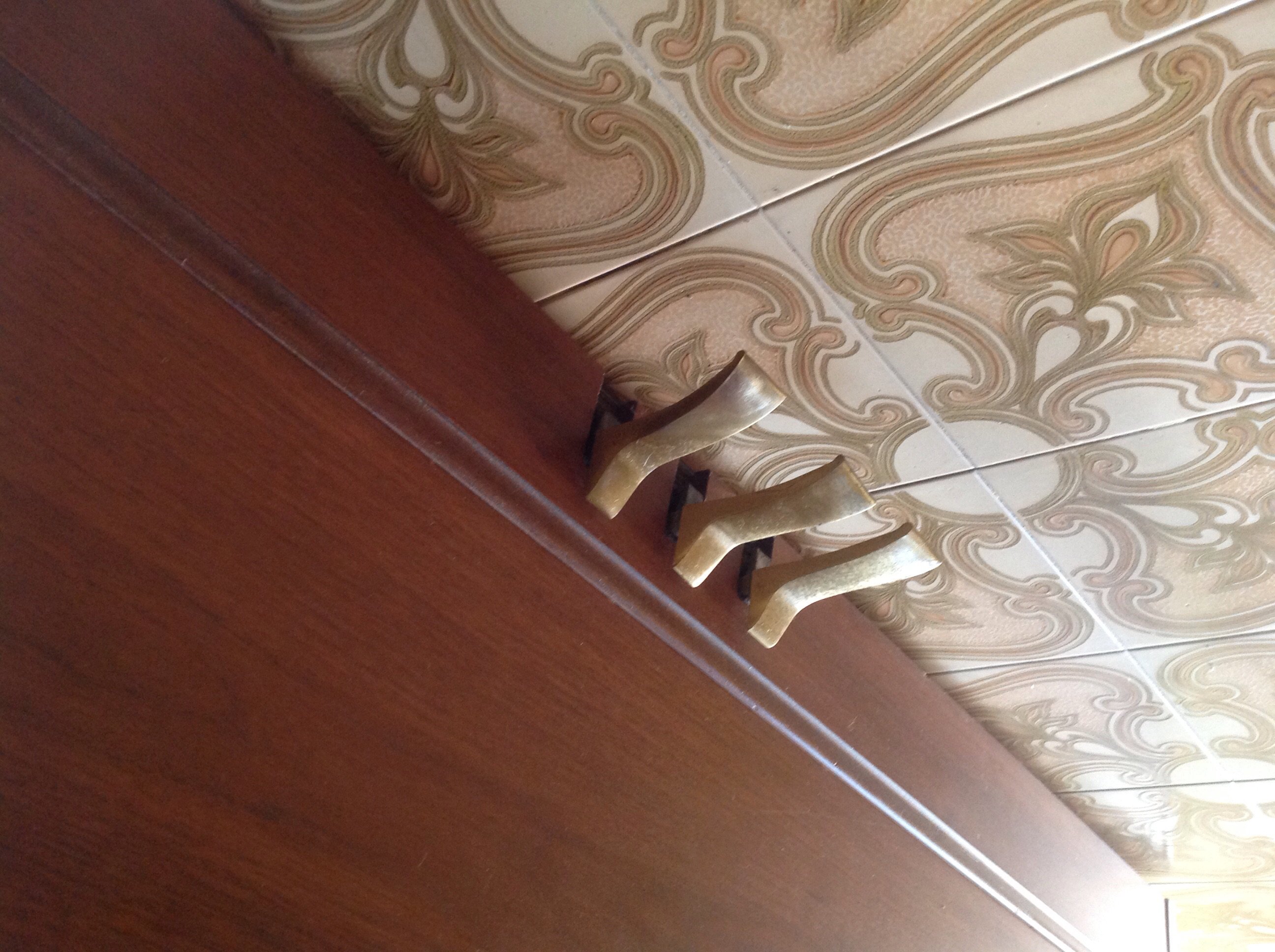
This afternoon, a piano tuner recommended to me by Woodstock of Portogruaro came from Padua. He did not find any particular problems. The soundboard and the legs held up during an initial tuning, which will have to be repeated in just over a month since I have to leave. The action needs slight regulation. He mentioned that he could potentially perform a voicing (hammer combing) to soften the sound a bit, although it would be more effective on the forte and pianissimo levels. While regulating some of the keys, he intervened on the key lever by lifting it slightly because the hammer shank of several keys was not resting on the capstan, which is why several keys went hollow in the forte and pianissimo; I repeat what he explained to me. We removed some dust that had accumulated, especially in the pedal area. A question: the Wurlitzer has three pedals. The left pedal raises all the dampers, and I think it is the sostenuto. The central one raises only the dampers of the bass notes. The left one [sic - likely referring to the right based on context/description], however, moves all the hammers forward, reducing their distance from the strings. I asked the technician about their functions. Regarding the left one, he told me it would be a form of mute since, by reducing the distance of the hammers from the strings, a less loud sound can be obtained. The central one should therefore serve to play sustained notes only in the bass register. On upright pianos that I have seen so far, I knew that the right pedal was for sostenuto, the central one, usually lockable, for the mute, and the left one allowed the hammer to strike only one string. As basic knowledge, knowing that I will also have to work on studying the use of pedals, how should the Wurlitzer pedals be used, particularly the central one? Another question: I was thinking of starting to study the piano starting with Hanon for technique. Is this correct? Which classical pieces do people start studying on the piano? Thank you, as always, for your great kindness and availability.

Moderator

Reply 11 by pianoexpert

Posts
3,876
City
rocca di papa

I wouldn't "comb" the hammers. This is a rushed procedure to "soften the sound" and to ruin the crown. One must patiently voice the hammers and, finally, create a pianissimo "cushion," but always by recompacting the hammer crown; otherwise, the sound becomes dull and the surface of the crown is as if it "dies." A piano a quarter tone flat cannot be brought up with a single tuning. At least one tuning is necessary during which the pitch is raised (even slightly beyond 440Hz), followed by two tuning sessions for confirmation. Before the two confirmation tunings, the piano should be left to settle for a few days.

Moderator

Reply 12 by pianoexpert

Posts
3,876
City
rocca di papa

Regarding study, I am personally against Hanon. First of all, one would need to understand your level and create a program, a program that must however be followed by a Teacher and gradually implemented and modified. Here too, there is no one-size-fits-all formula. A good Teacher is truly important at the beginning, when guidance and error correction are fundamental. In studying an instrument, it is not enough to repeat and avoid wrong notes, but one must draw from every piece (especially didactic ones like "studies") the technical and musical benefit that helps us progress.

Member

Reply 13 by Joy

Posts
10
City
Concordia Sagittaria

Thank you for the answers, always clear and precise. Once again I must agree, regarding study, that it is necessary to abandon self-taught study to be followed at the beginning by a good teacher. When I return in a month, I will look for a piano teacher who can guide me, hoping they are not too expensive. Could you explain better to me what it means in practice to create "a cushion" for the pianissimo? Thank you

Moderator

Reply 14 by pianoexpert

Posts
3,876
City
rocca di papa

Well, within the scope of the hammer voicing intervention, one should create a small soft thickness at the apex, but NOT with combing that would lift the felt fuzz! A small softening that must be done with needles to a depth of no more than 1.5 mm and subsequent re-compaction of the apex by tapping it! (one can use a small hammer or the heel of the voicer's handle itself)

Member

Reply 15 by Joy

Posts
10
City
Concordia Sagittaria

Thank you for the explanation. When I see the technician again, I will speak to him about it. Have a good evening.

Log in to participate