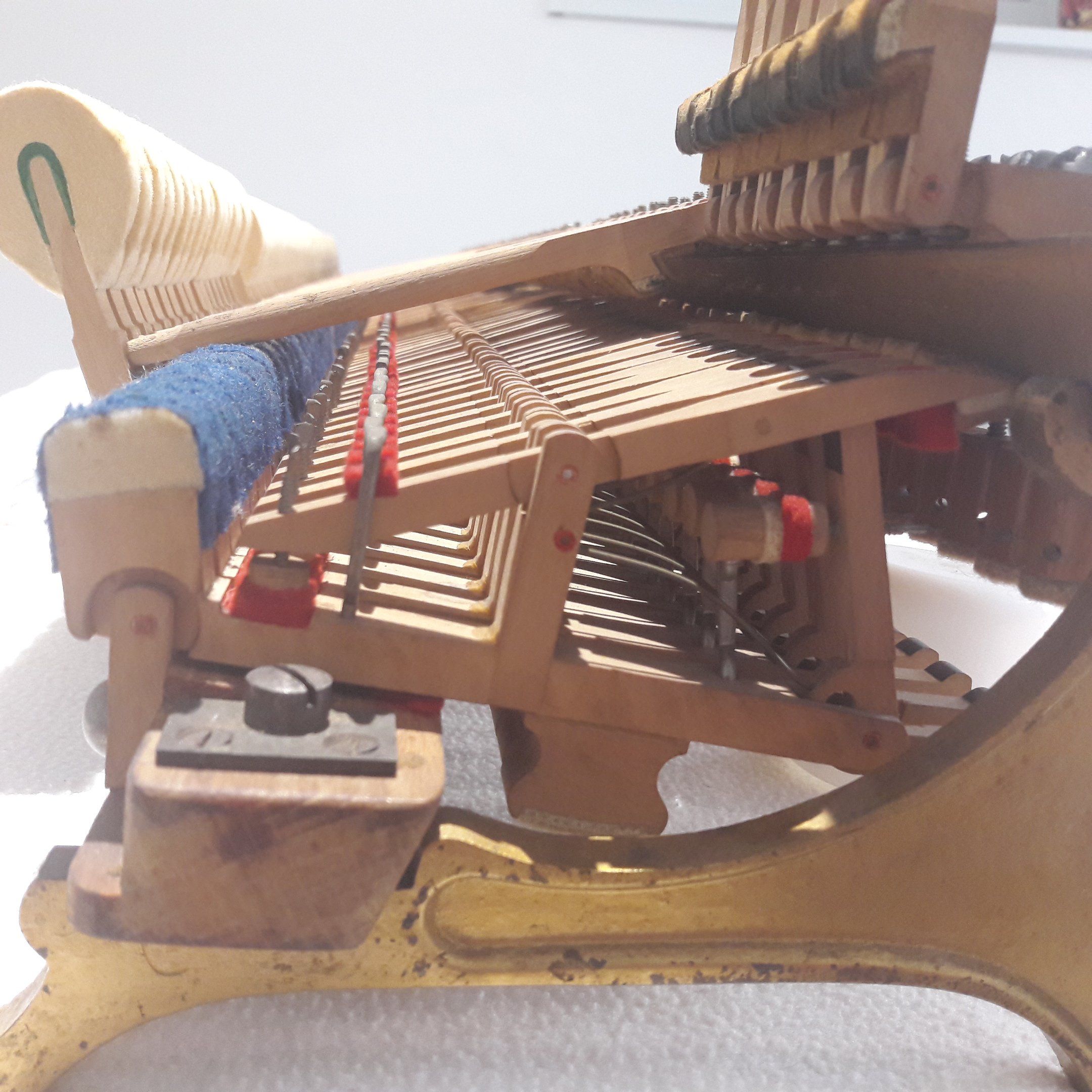
Paolo, essentially you are right, I only have 2 perplexities.
Unfortunately, precisely when you change 1 thing, you often then HAVE to change another and another again, and so on until you change or fix an N number of things; this is why it is difficult to "dilute" the work over time.
As they say, "the strings are old, they should be changed". True, but then what do you do, do you also change the pins, but since you have to disassemble the frame, do you fix the soundboard or at least refinish it, then refinish the harp itself and so on....?
In the end, unfortunately, you cannot do things a little at a time and, since you are doing them, do them properly; I wouldn't know how to dilute an expense of a few thousand euros over time for work that essentially needs to be done all together.
The only thing that is possible to separate is the mechanical work from that of the strings/pins/repetition levers (I hope not) etc. and the touch-up of the external cabinet...
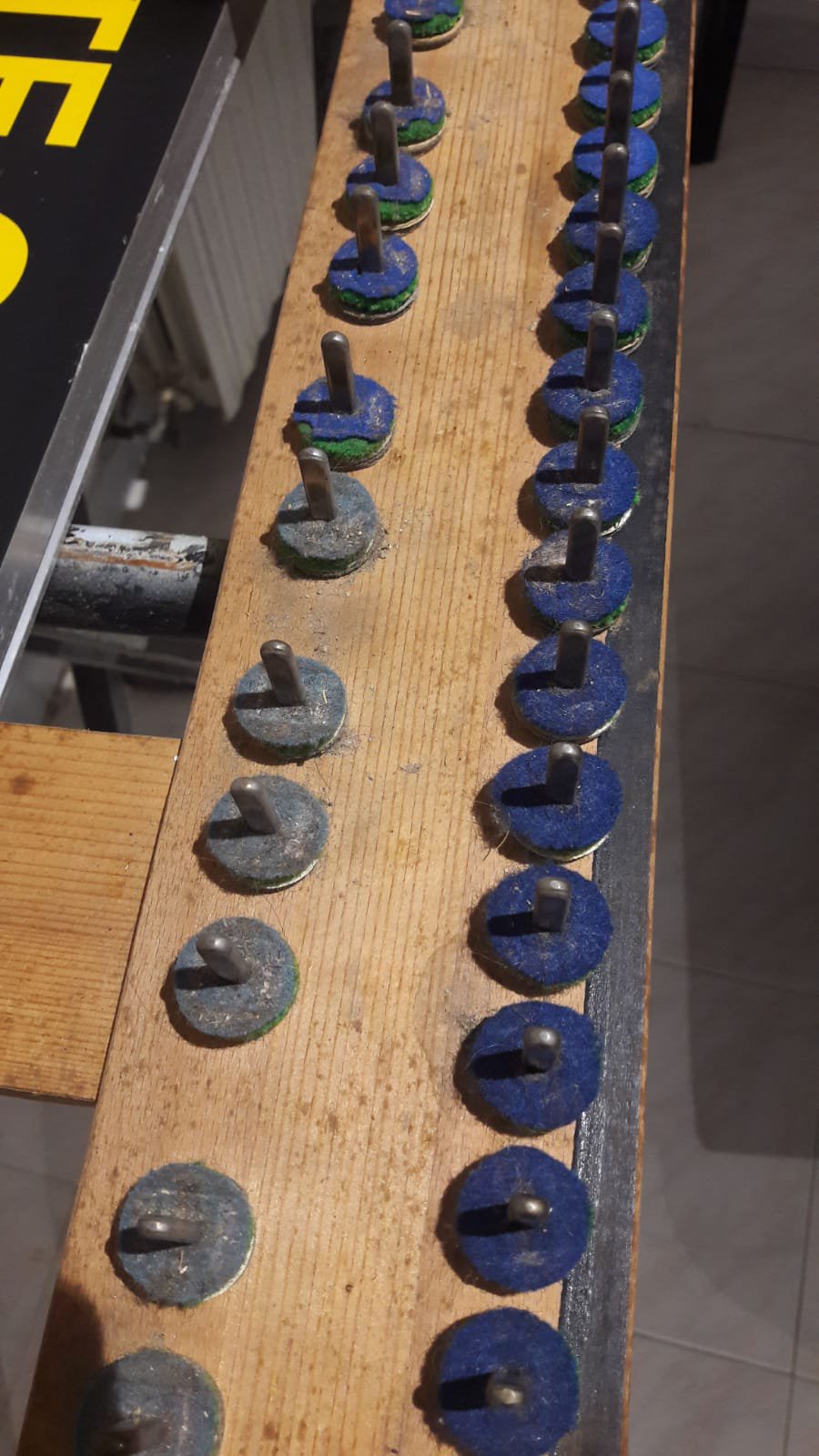
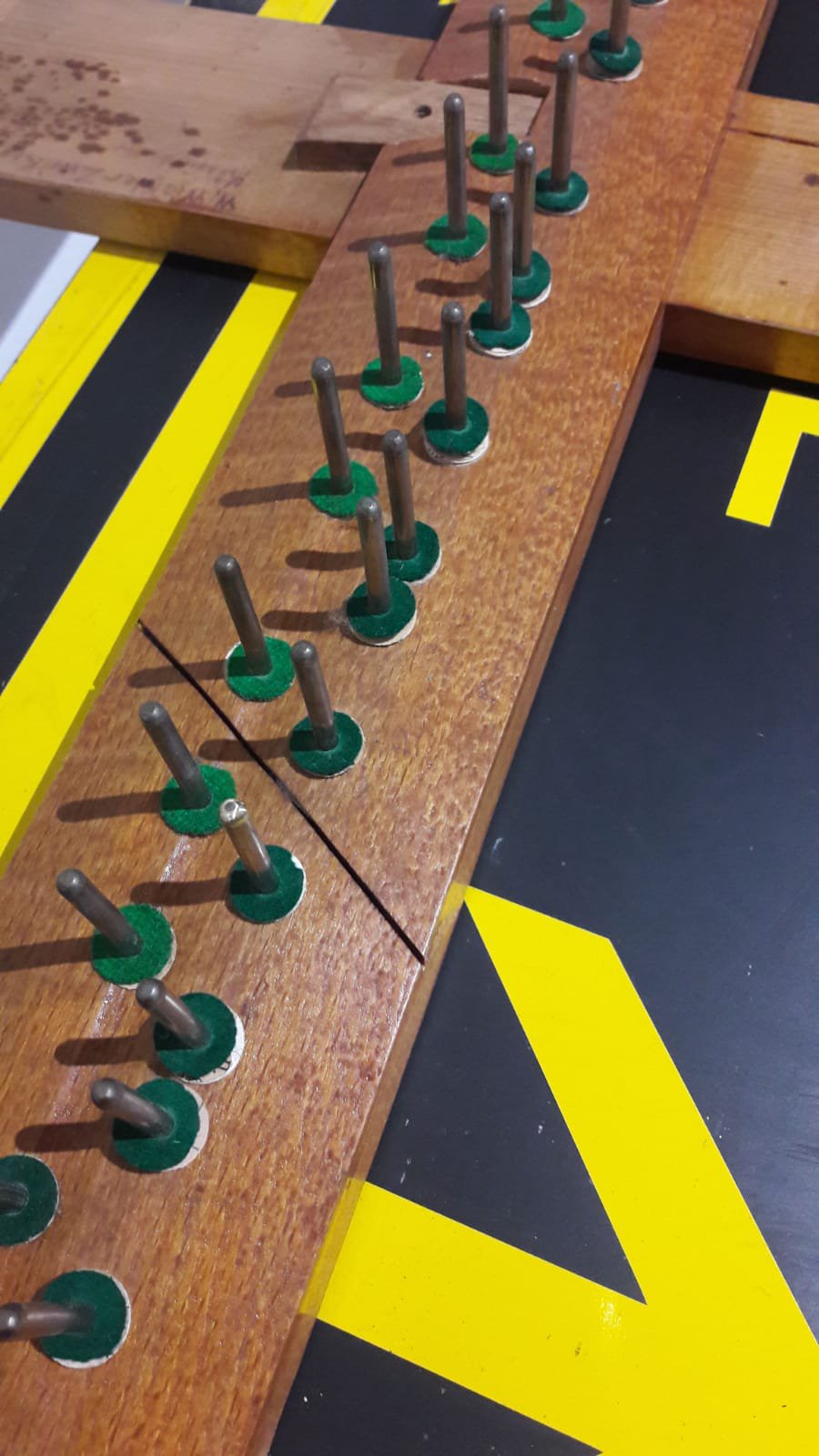
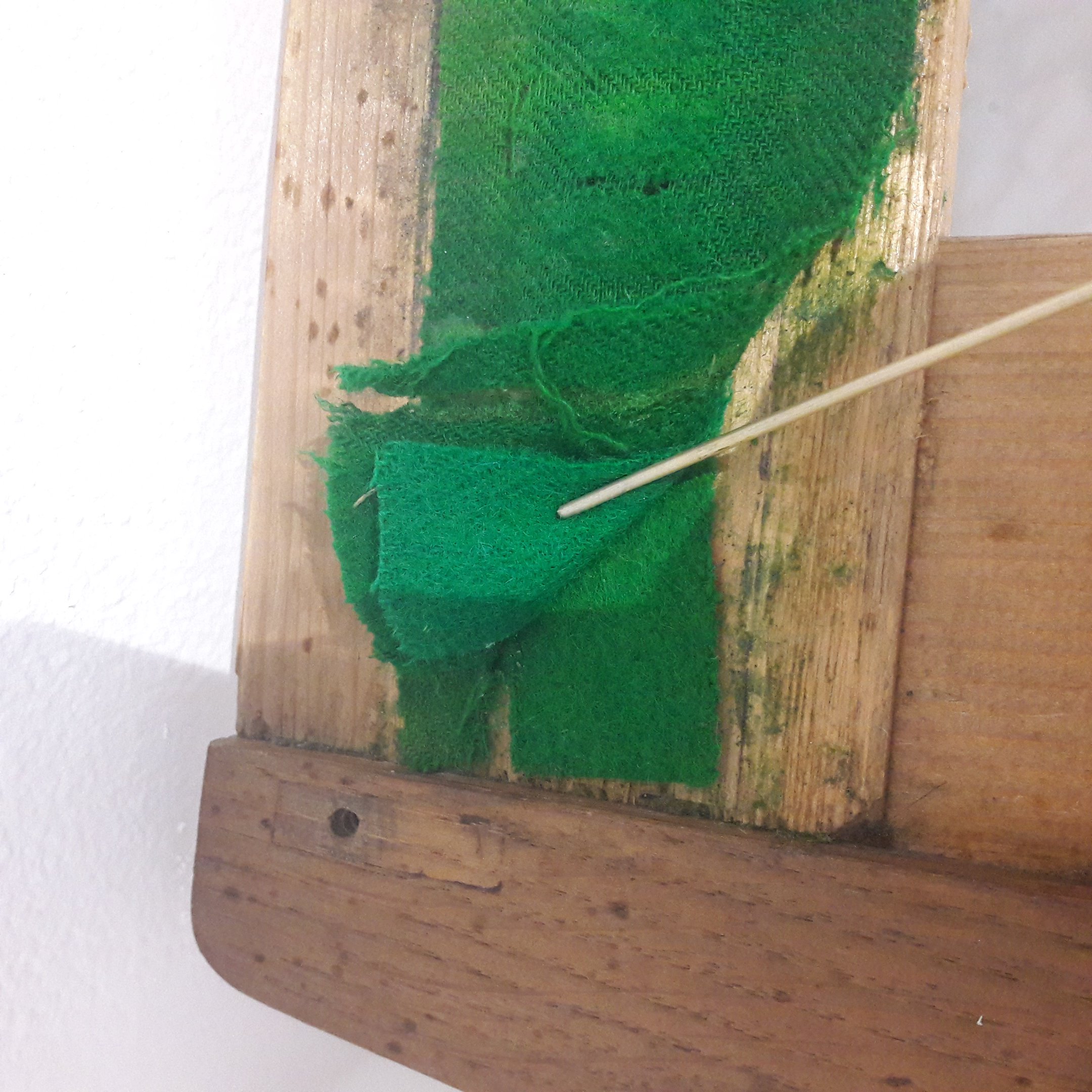
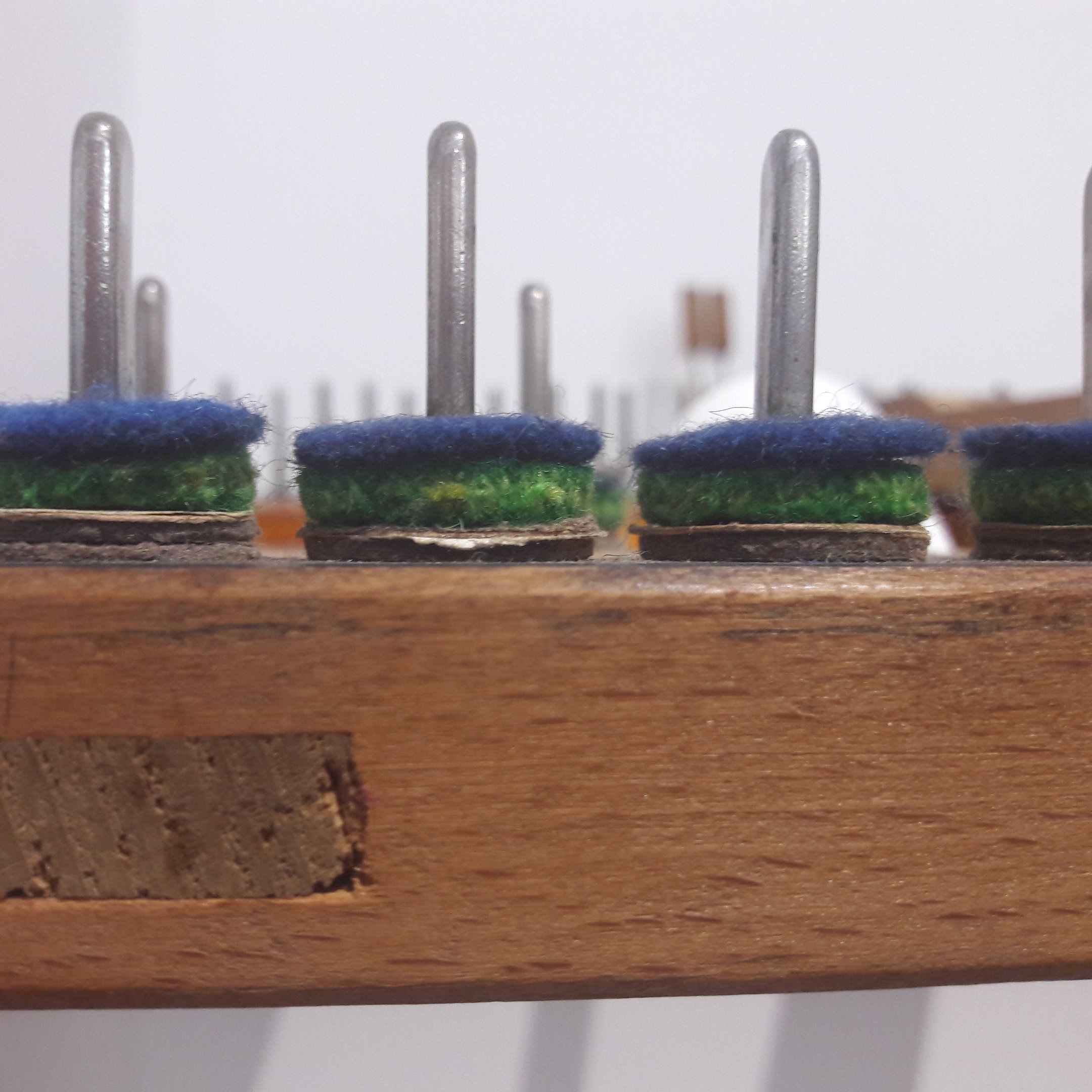
I only wanted to change the worn felts without changing the measurements in order to not change the geometry, to start from a better point than the "old, dirty, and worn" one.
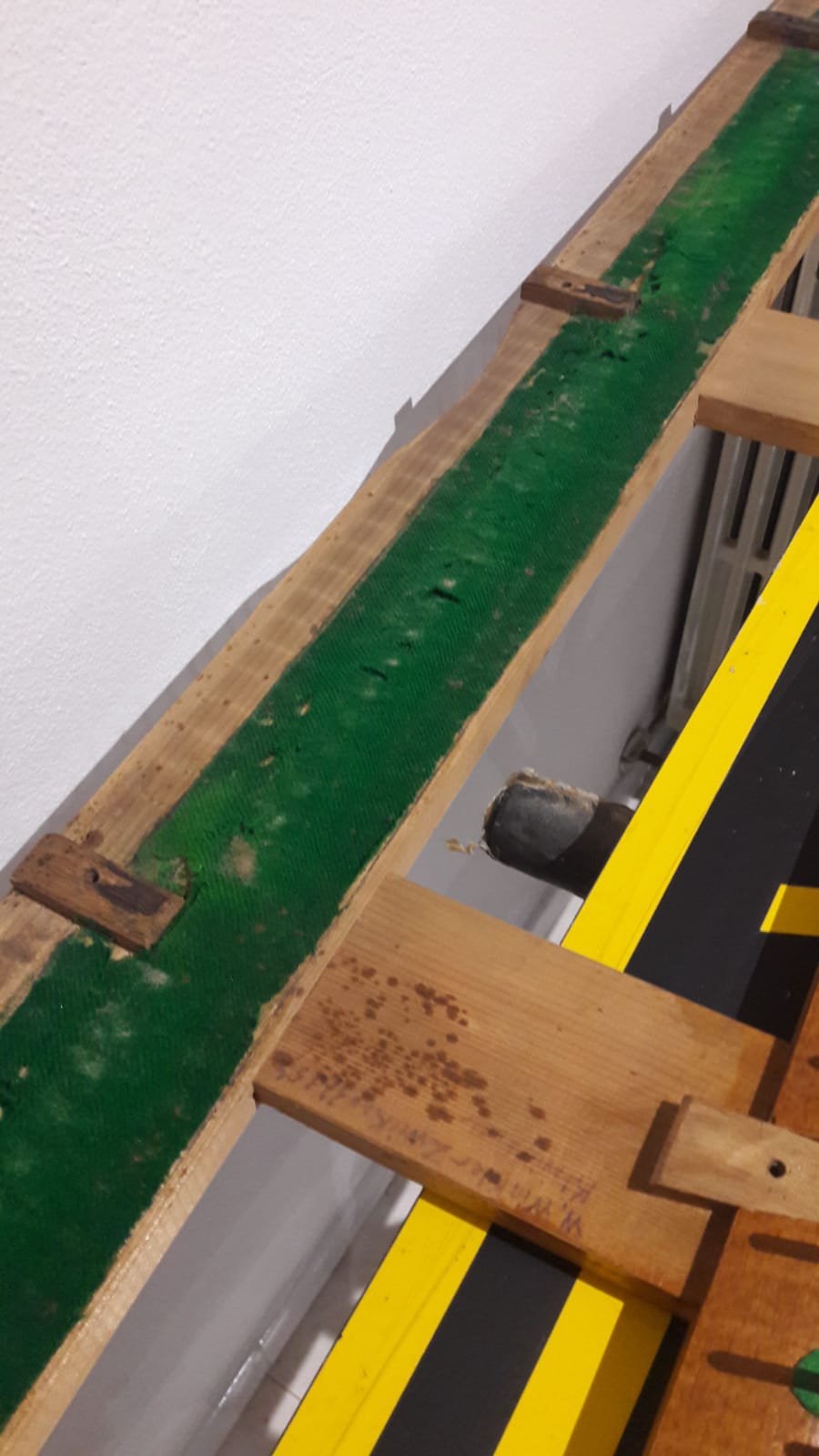
What Americans call back rail cloth, I don't know how to translate it well, also because they are not entirely wrong to call it cloth, i.e., fabric, because in effect mine consists of 2 layers of green fabric superimposed and one wider one on top glued both at the front and back. It is not a felt like I have seen on Steinway, Yamaha, and recent pianos.
However, they also explained to me that with modern, calibrated felt, it is easier to achieve a balanced level across the entire width compared to old felts or fabrics.
The other thing, unfortunately, is finding a professional... um... difficult?
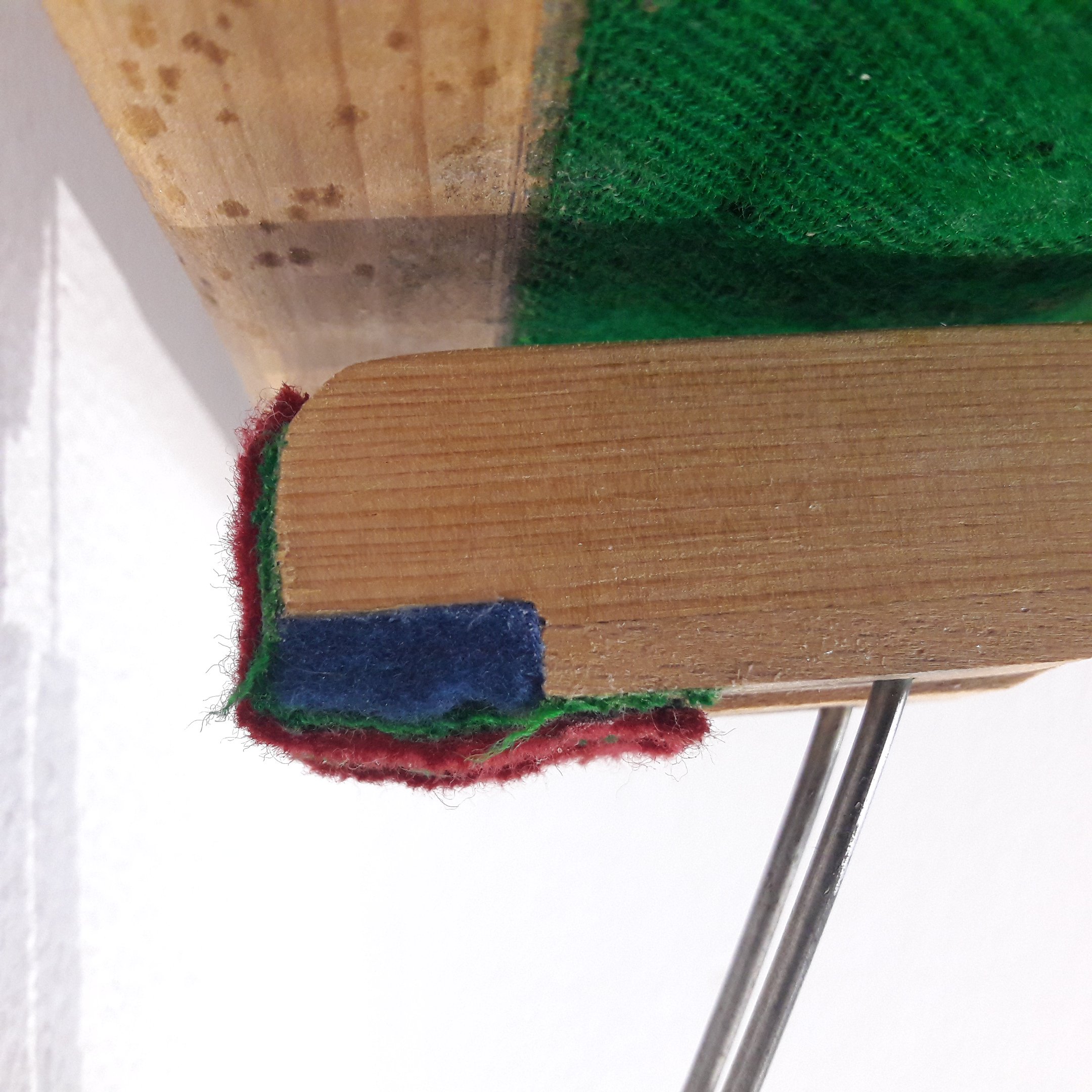
I'll give an example: looking at mine, I noticed that 2 dampers were slightly higher than the others; I look closer... they put 2 felts with red underfelt on top of the original blue felt... how much effort did it take them to remove that blue one to make them level with the others?! maybe that person who did that work 50 years ago also passed themselves off as a professional technician, but they were certainly a hack.
Regardless of the fact that an expert technician eventually does the work, I prefer to be well-informed about everything.
THEN maybe someone else does it due to manual skill or experience, but I'll keep a close eye on them, eheh.
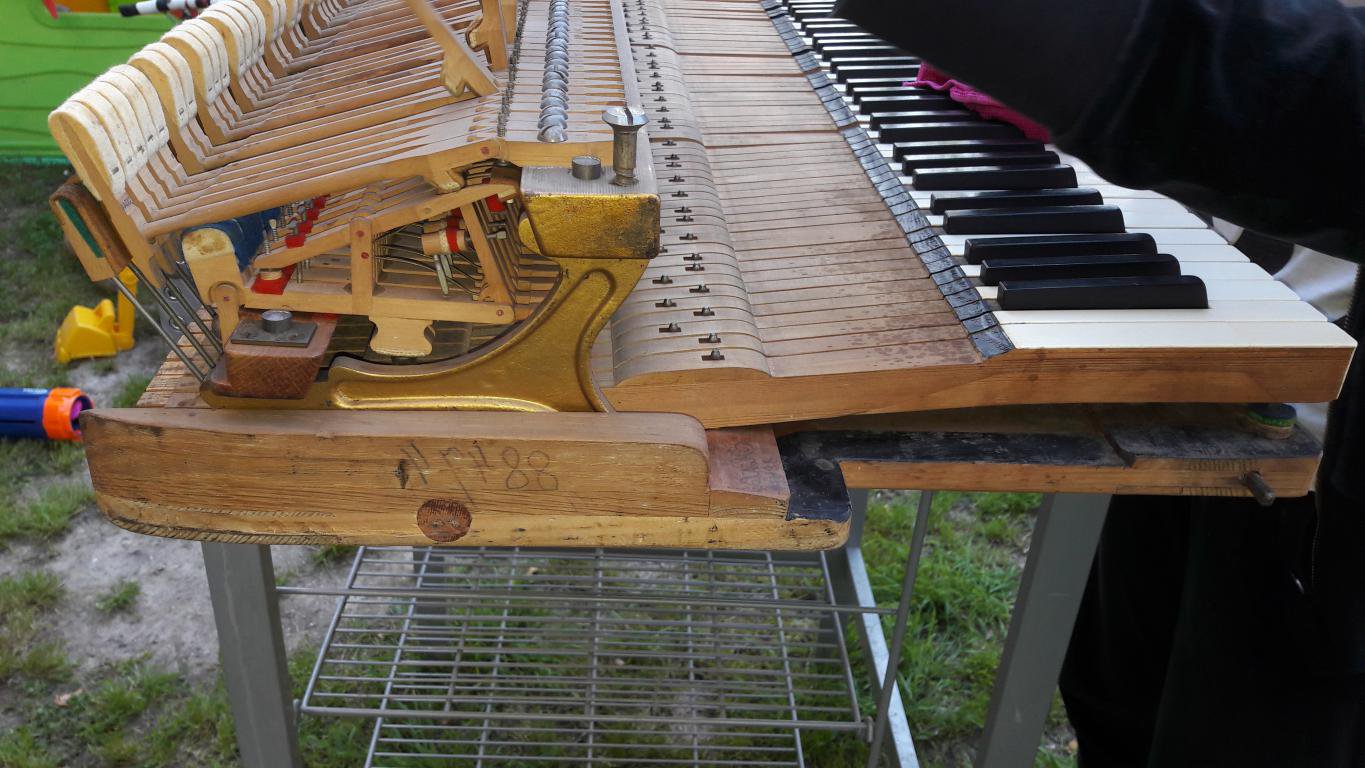
I have heard too many people to whom the hammer action was changed on old pianos, only to complain that (obviously) the action no longer responded well... of course, they were given modern hammers that are 5, 6, or 10 grams heavier while leaving the rest unchanged.
How many people do you know who know the Blüthner pianos of that era well? They have a timbre all their own, a particular construction system, a historical tone.
I have studied everything I found around about these instruments; they have always fascinated me. When I found one in "okay" condition with a "modern" action, I couldn't let it slip away. I heard a Bechstein and that same Blüthner on the same day; the Blüthner had a soul that the Bechstein of the same era did not have, even though they had changed strings, pins, and hammers recently.
Let's say I want to be a very advanced user who doesn't just watch, but has the elements to understand what is happening to their piano; after all, no one is born knowing...
(I asked around a bit without much luck, but in the Bologna area, at least for a consultation/quote, do you have any suggestions?)
sorry for the long post...
Davide