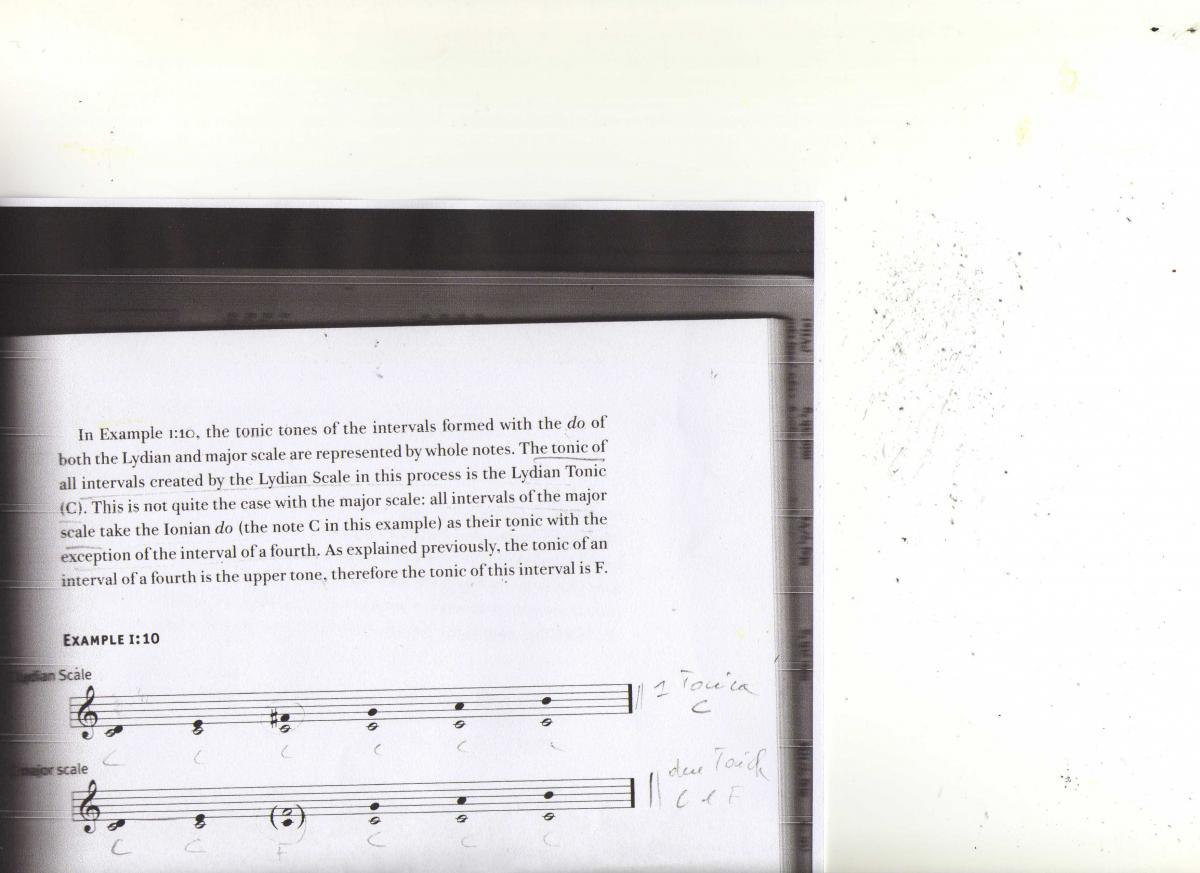
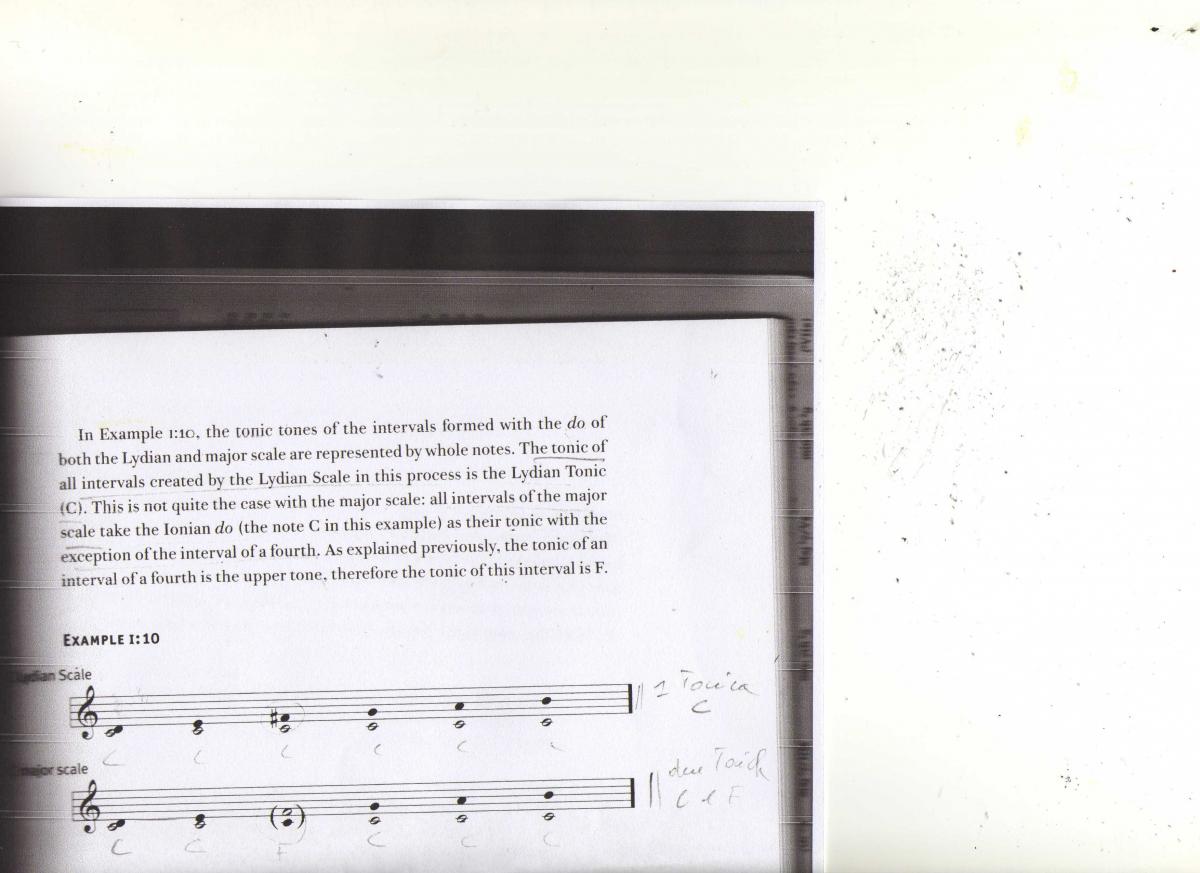
Where do modern scales originate? Perhaps an answer can be found there.
Just to say, in ancient modes neither the major scale nor the minor scale exist, but rather Dorian (which over time became the basis of the minor), Lydian and Mixolydian (basis of the major), and Phrygian, which is practically a plagal minor (of A), the only one that inverts tonic-dominant relationships (the modal Phrygian cadence became the tonal suspended cadence; furthermore, between finalis and repercussio there is a fourth instead of a fifth). In the 1500s, Aeolian and Ionian also appeared, precursors to minor and major, although still far from the subsequent tonal conception.
Lydian is not widely used in Renaissance polyphony and is often replaced by transposed Ionian: perhaps the beginning of the complication lies there? On the other hand, Mixolydian is widely used, as are Dorian and Phrygian.
The progressive sensitization of cadences has, unfortunately, guillotined the modal system, reducing it to 2 large branches: major modes (modes, not mode) and minor modes. Thus, for more than 2 centuries, the tonic of C major was C, certainly not F, but surely F# is the most altered note of the 7 diatonic notes, given that it is the leading tone of the dominant and considering the role the latter plays in the scale.
Now, to claim that an interval has a tonic is an opinion that must be justified: I absolutely do not believe it is so, but I might change my mind in the face of accurate and heartfelt reasoning. Just like the fourth (C dominant of F), the major sixth might also suffer from the same principle; proof of this—proof perhaps is too much...—is that many, to memorize C-A, hum "Libiamo" (Verdi, La Traviata), which however has F major as its harmony (dominant-modal/mediant/characteristic and therefore it would be G-E in C major).
Question: is it possible that jazz harmony has some differences from classical harmony?