Good morning everyone, I wanted to share some news that I really like: since yesterday I have been learning how to tune and regulate harpsichords! And obviously, I play them too, haha
A harpsichord maker is teaching me; yesterday, for the first time, I practiced on a copy of a Grimaldi, very beautiful with one manual and two registers, and definitely out of tune too!! Tuned to 415 Hz, within a few days it had risen by almost a semitone, but for being my first time tuning something... I would say it didn't go badly!
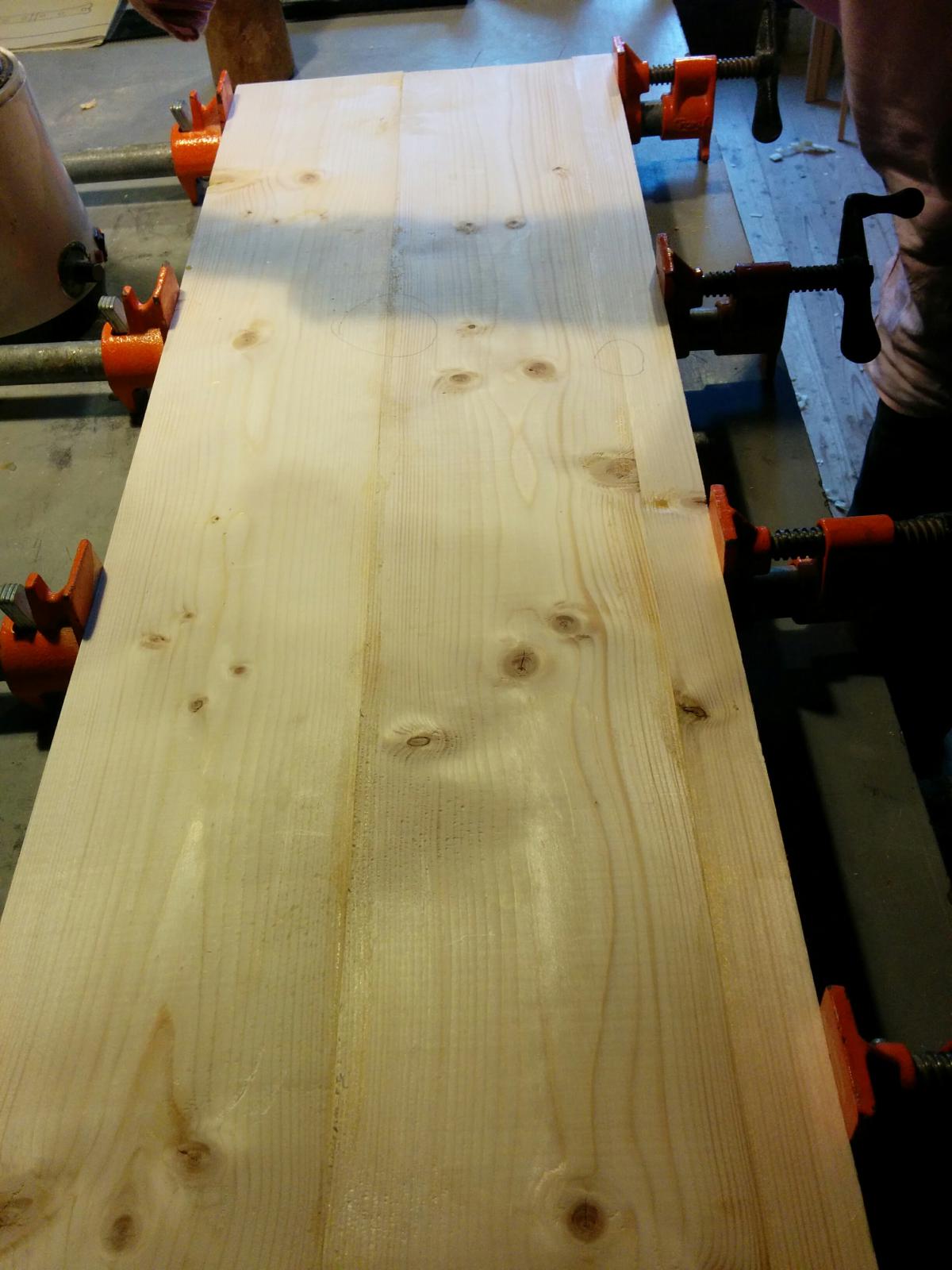
Well, I've just started... and for now there isn't much to say... I'm not doing it alone, a harpsichord maker is helping me; so far we have limited ourselves to cutting and planing a spruce board, a necessary operation because the board had warped; we obtained two boards about 90 cm long by 22-23 cm wide and glued them together to make the soundboard of the instrument. That's all for now, on Thursday we will move further.
A aside from a brief description of the instrument, it is a clavichord from southern Germany, tied, anonymous and from the late 1600s, 4 octaves with a split low octave, range c1-c6; it is a decidedly small and compact instrument as well as light, it should weigh about 7 kg, perfect for a beginner like me, for that matter.
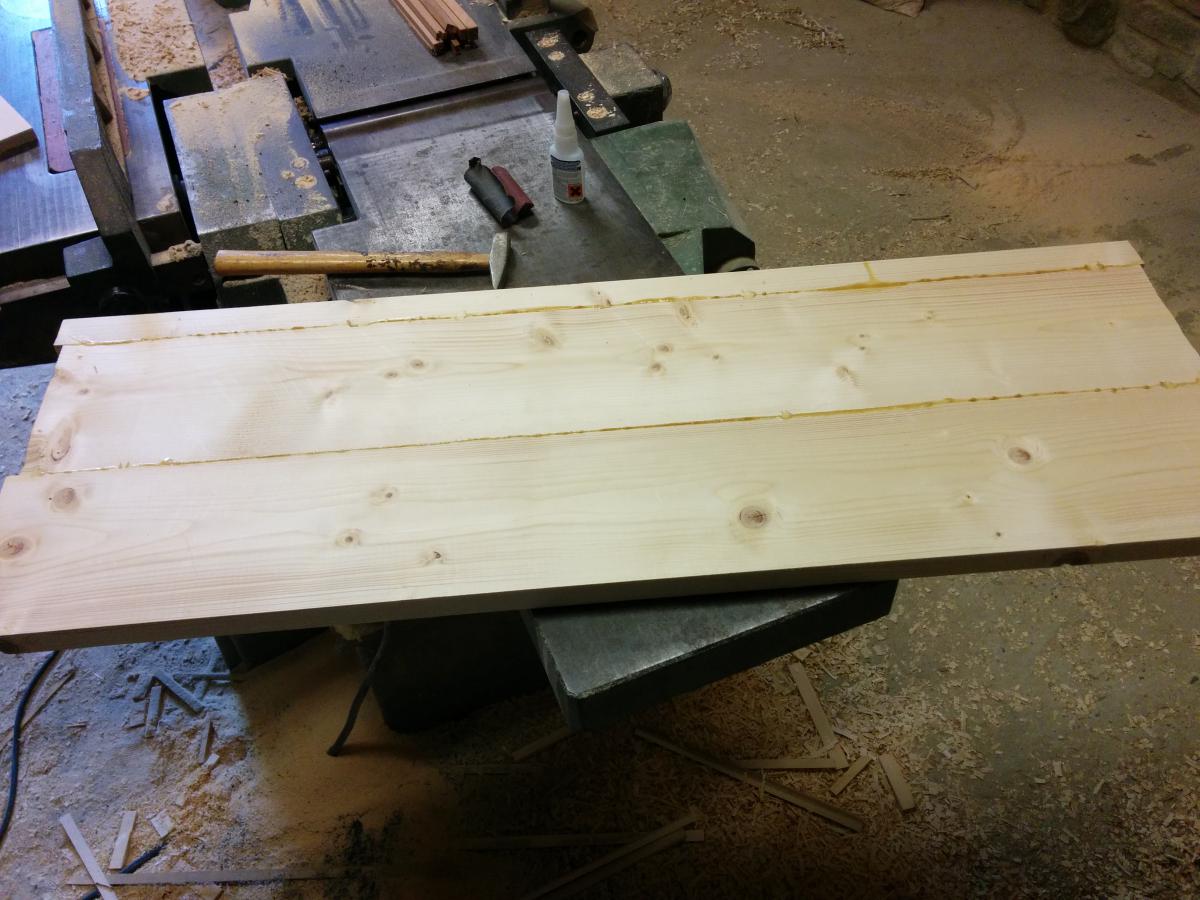
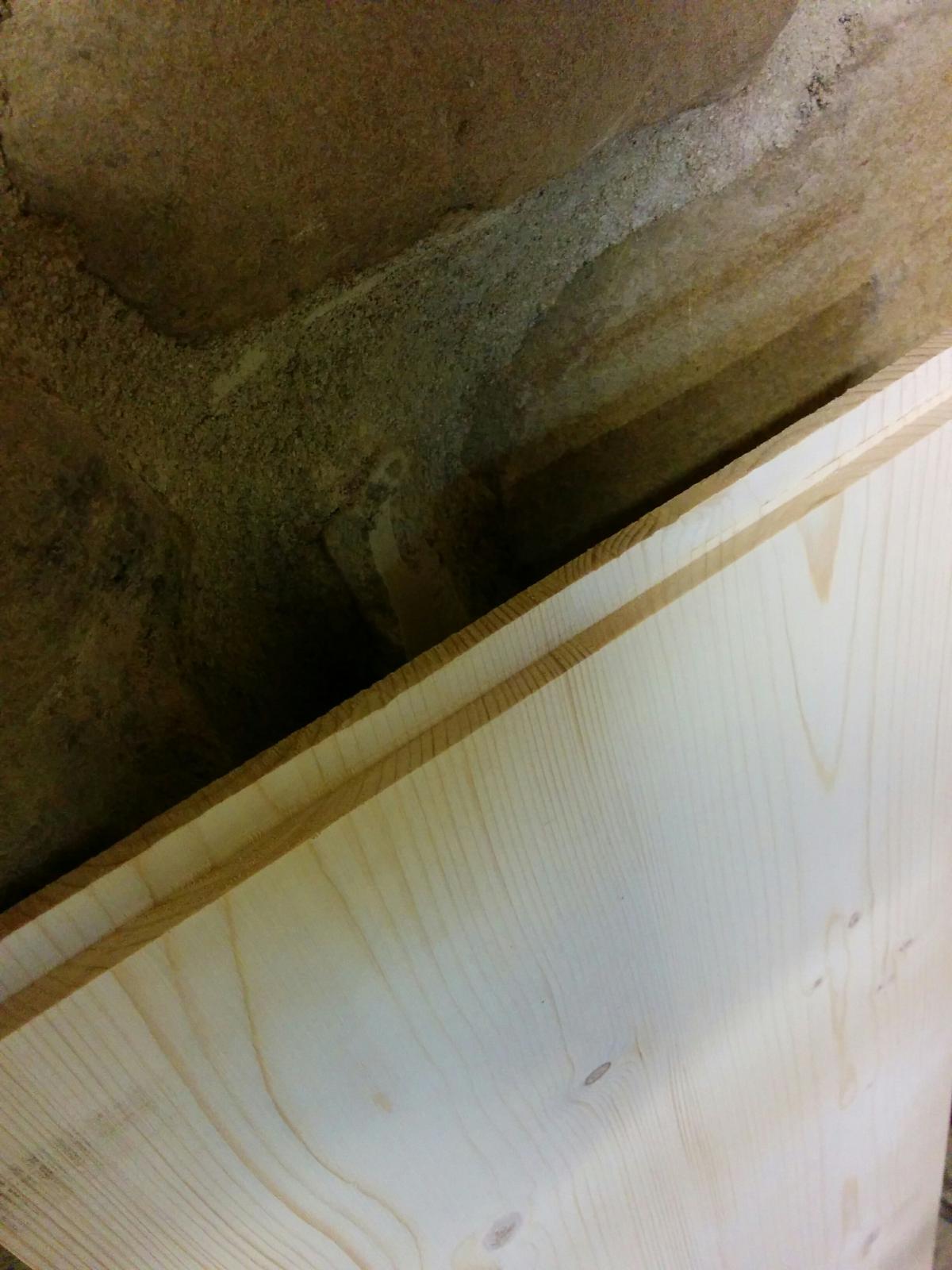
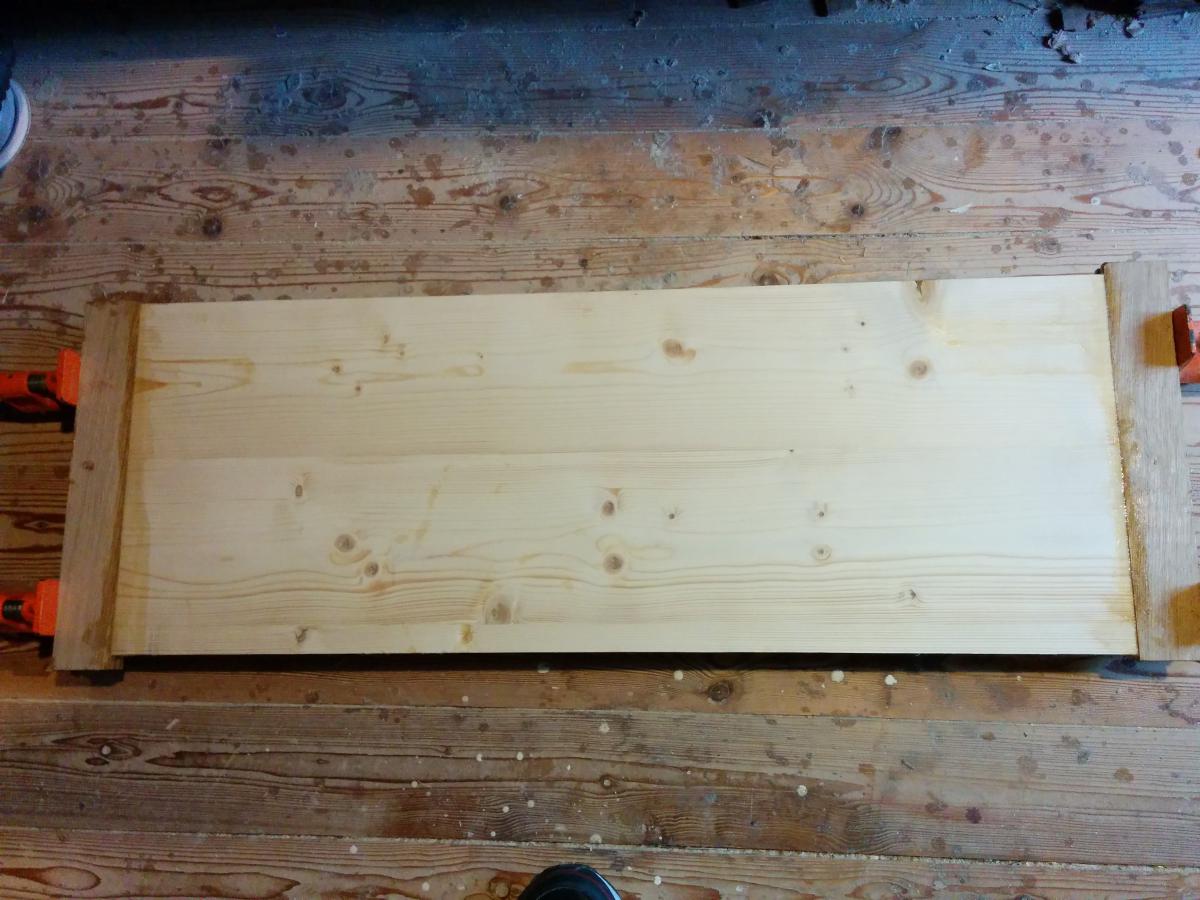
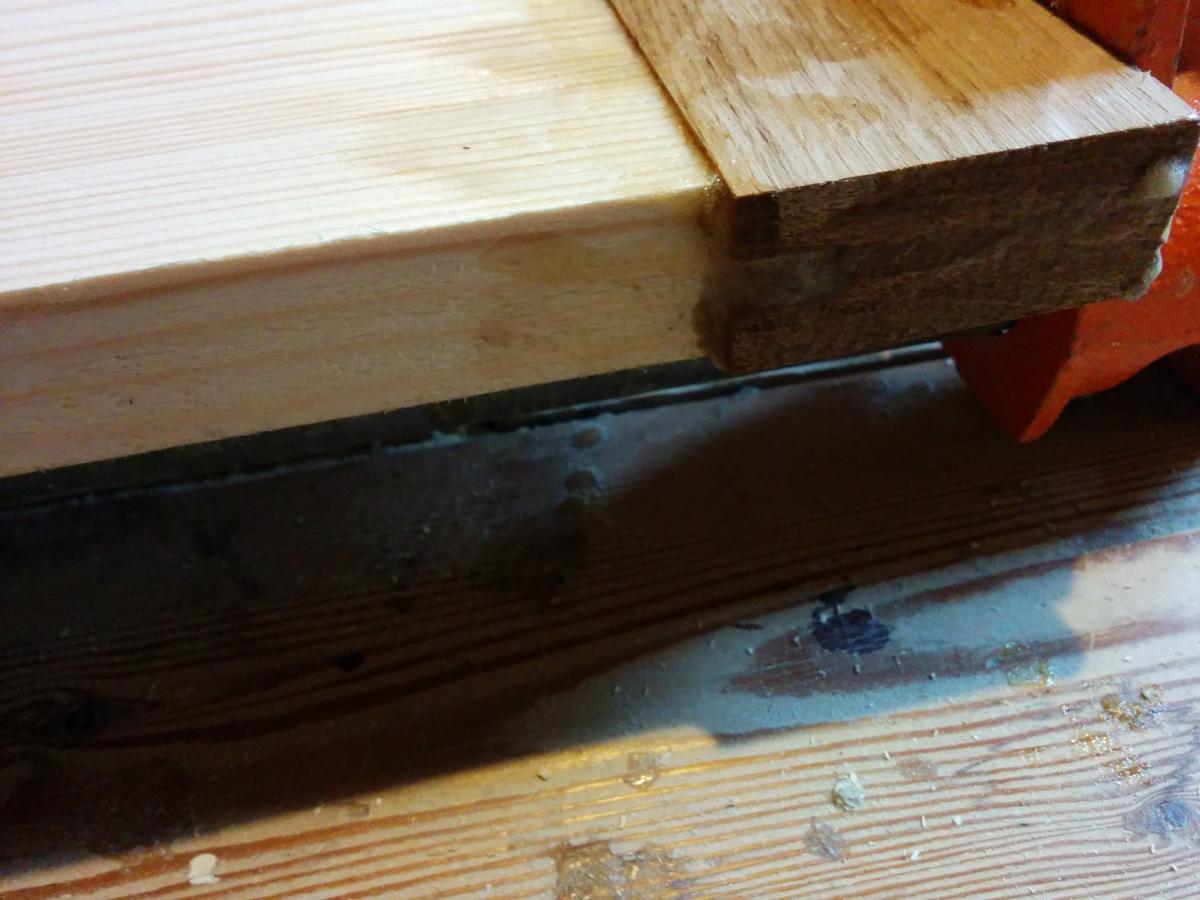
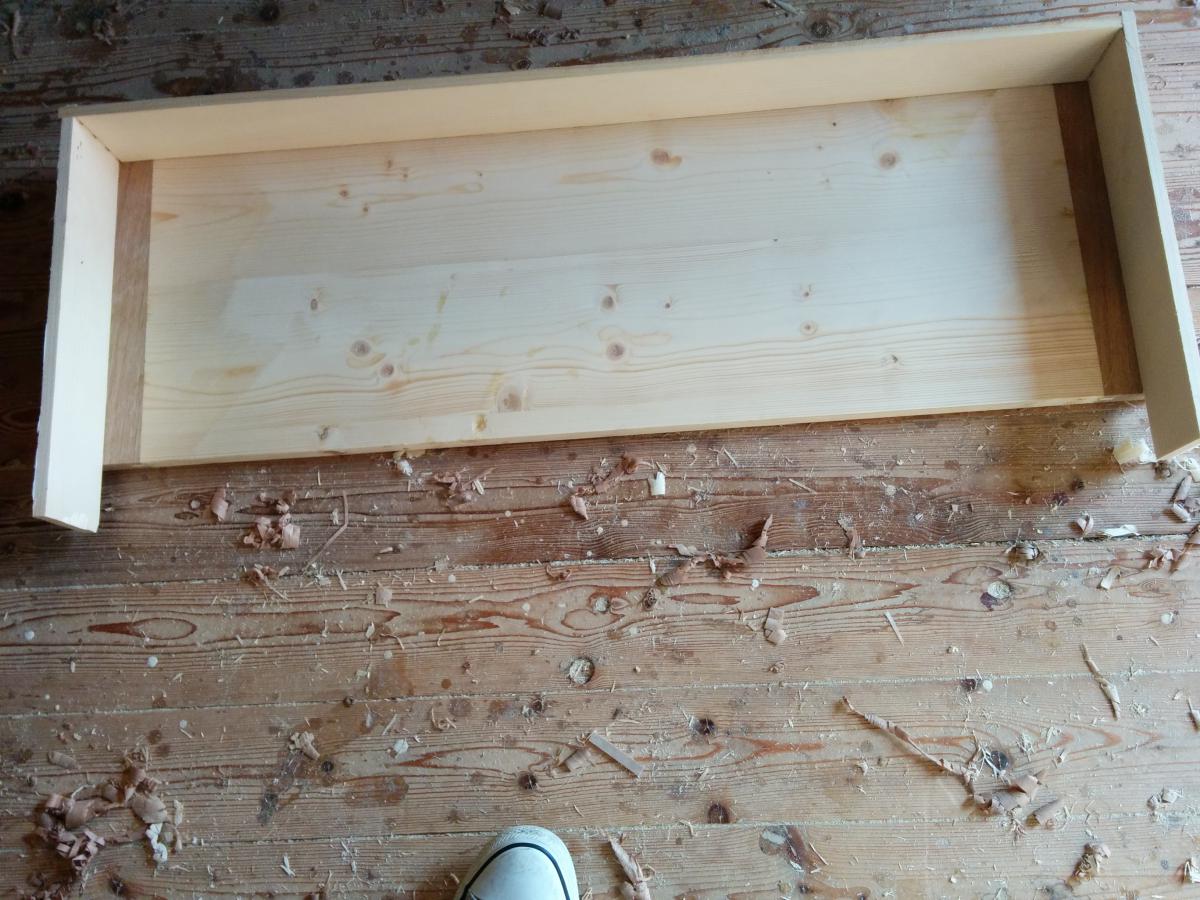
So, today we moved forward with the clavichord; we had left off at the glued spruce bottom, today we risked excess glue and rectified the thickness to 21 cm, cutting off the excess parts until obtaining a board of about 84 cm by 30 cm. At this point, the project has a lip of about 1 cm, so we had to shape the minor sides of the board to obtain this lip, which will be inserted into the edges of the bottom; the edges are about 3 cm, made of hardwood; the project specified maple but we used oak, which the harpsichord maker usually uses for the jack rails, after making the female joint in the two oak planks, we glued them together.
In the first one we had just glued the spruce planks, the second before removing the glue residue, the third you can see that cursed notch, the 4th is spruce and oak just glued and the last one is the spruce-oak joint.
And with this, the clavichord soundboard is finished.
'Evening! Brief update on how much I did today (not much, there was enough work to do on two harpsichords).
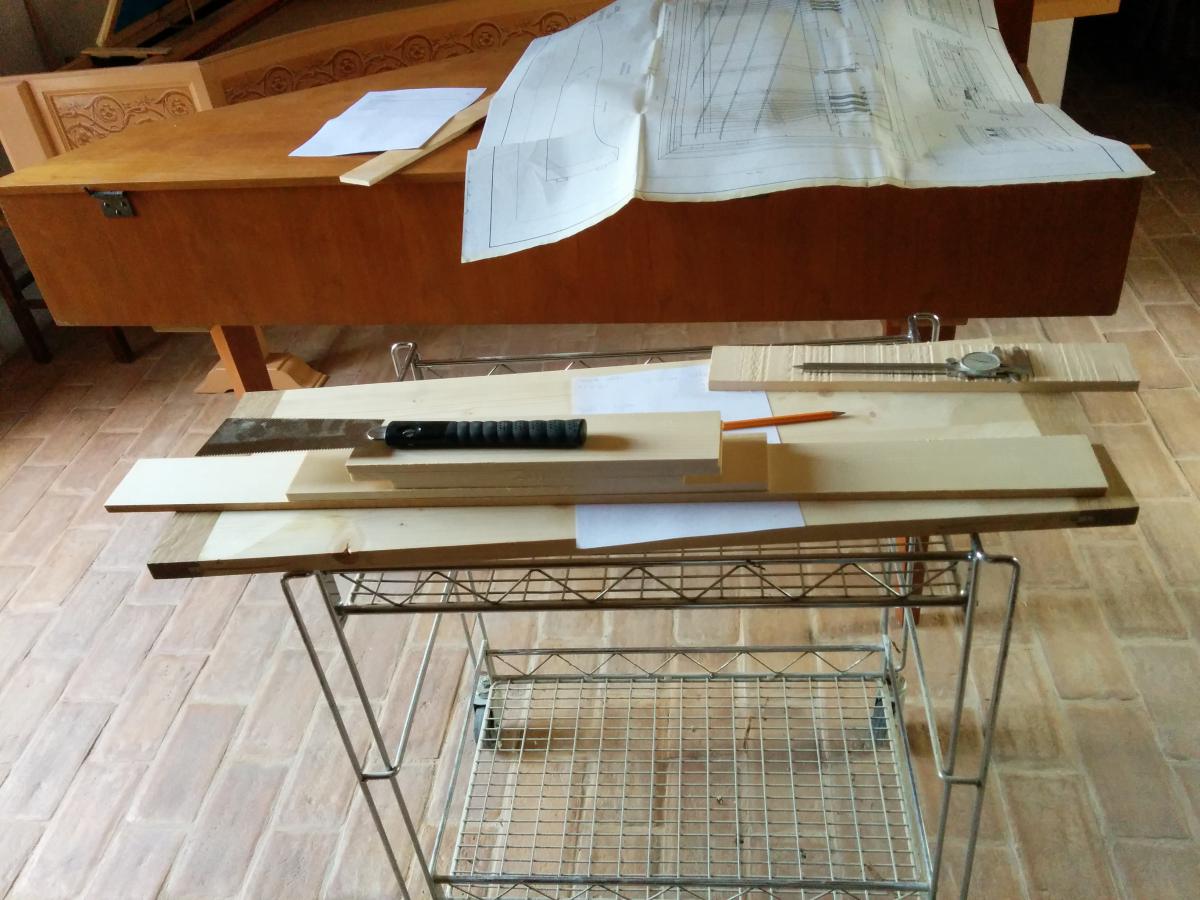
Basically, we limited ourselves to looking for a couple of spruce planks to make all the sides of the instrument, which will then be veneered with walnut and lacquered; we simply limited ourselves to cutting the wood, planing it to a thickness of 1 cm, and recovering some lime wood to make the diatonic keys.
We are making the instrument using the leftovers from the harpsichord work! Both the oak, the spruce, and the lime are all ready to use... or almost, the bottom will still need to be trimmed to glue the sides, but it's still too early for that.
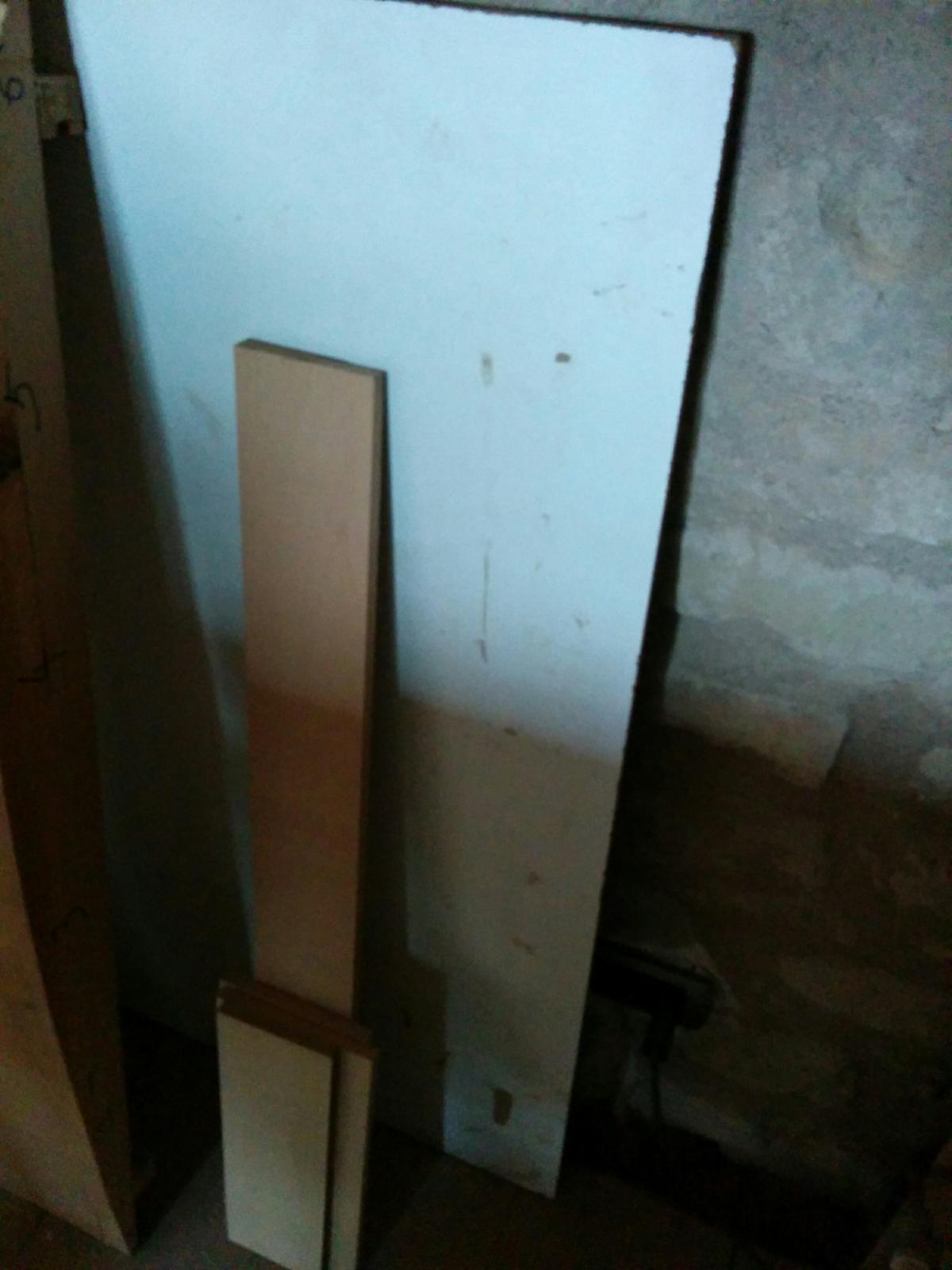
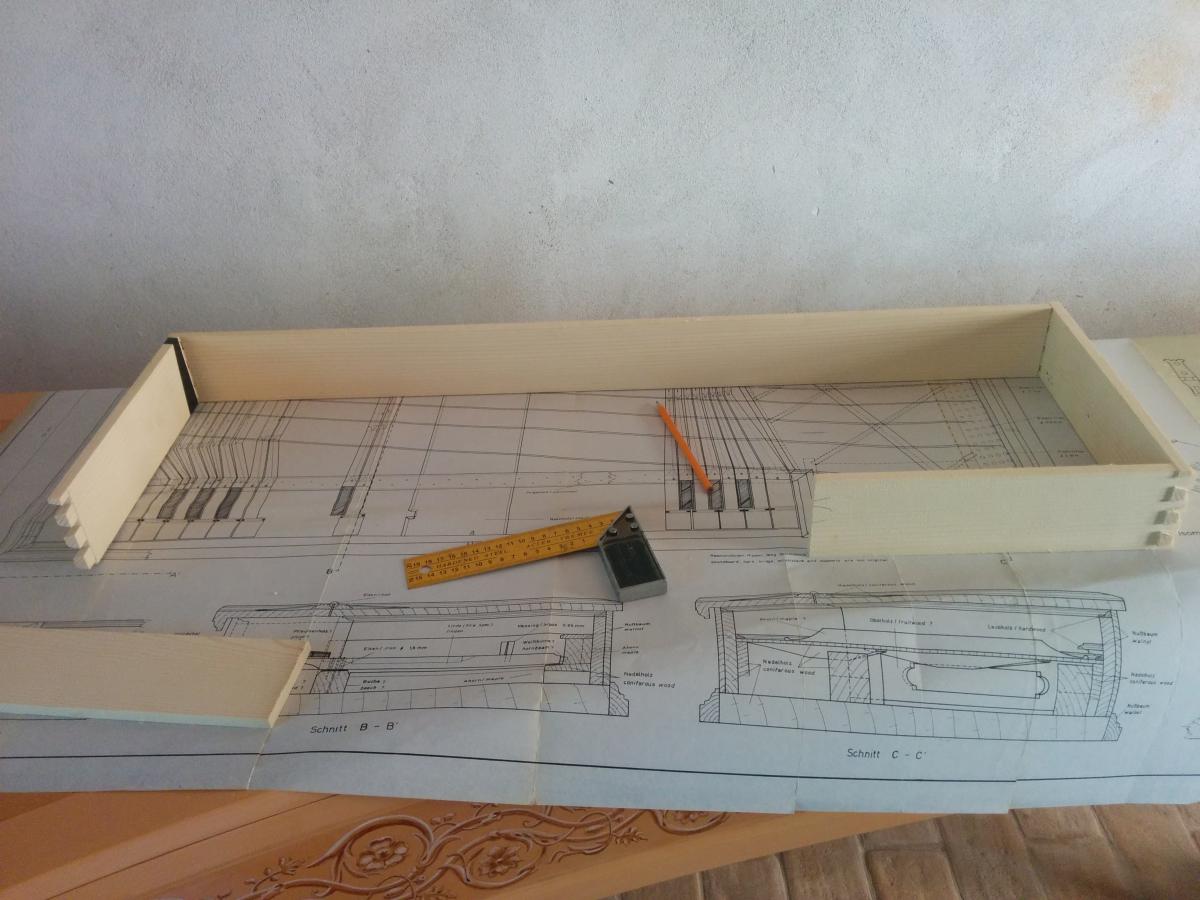
The first photo.... well, it's the mess during work ahahah we were taking the project measurements for the sides; the second is the lime wood for the diatonic keys which will then be covered in boxwood, the wood is already sufficient for the keyboard.'
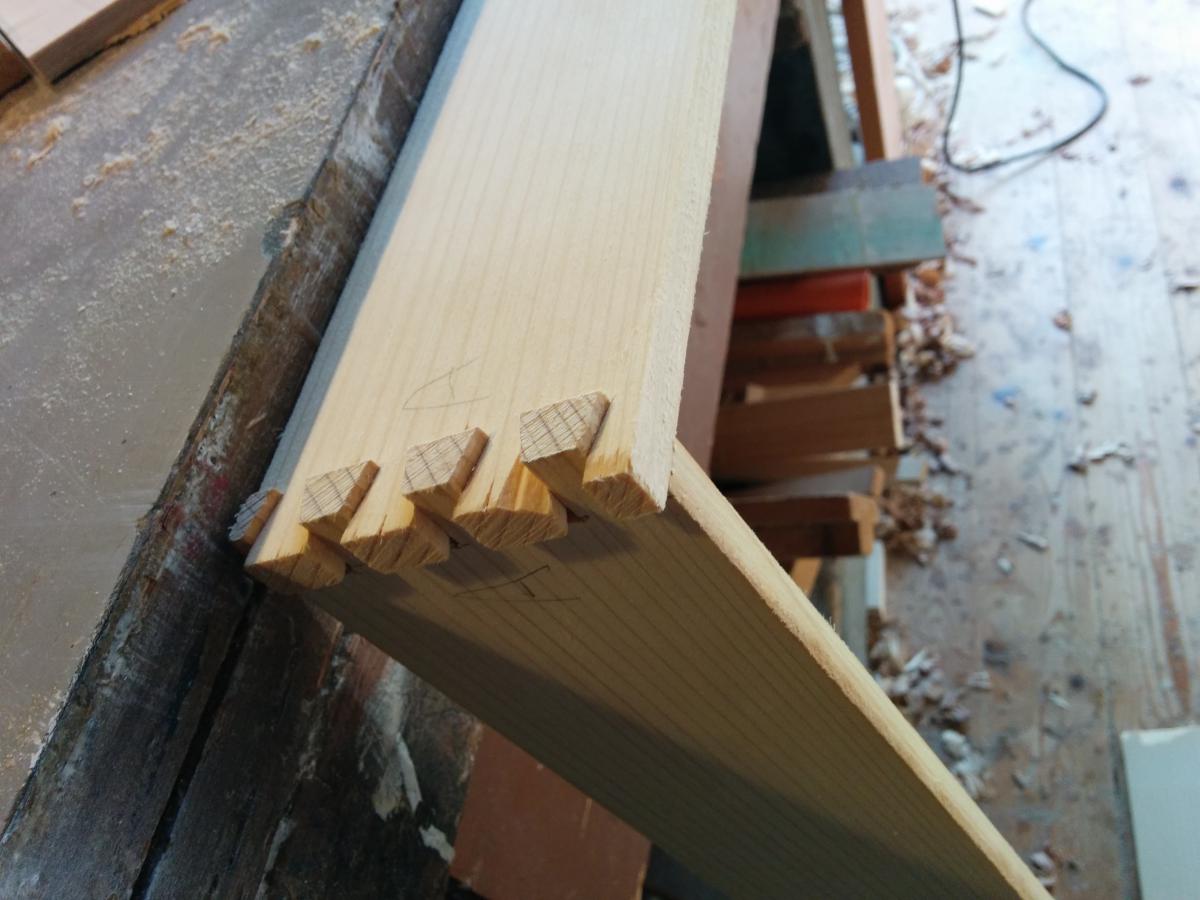
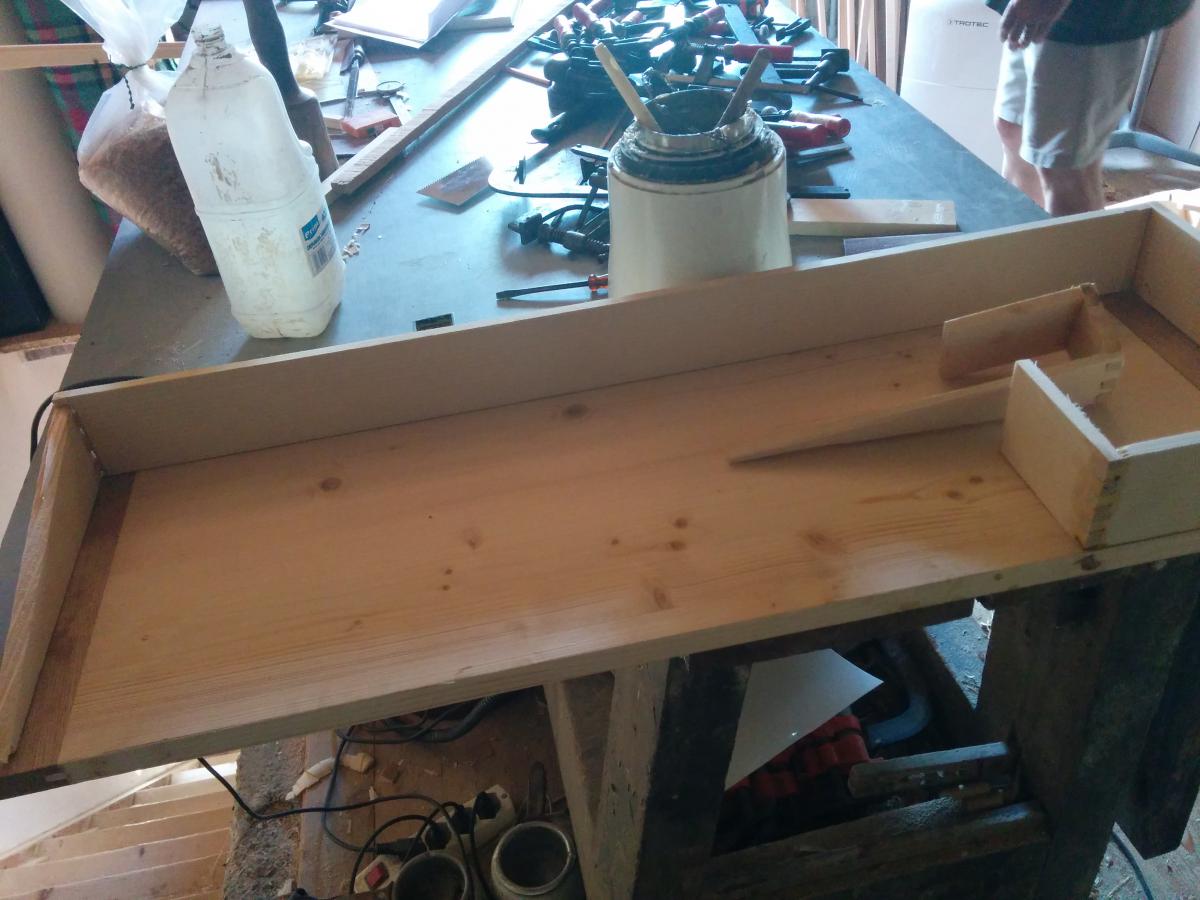
Brief update (since we have been working mainly on the harpsichord keyboards): basically, we made dovetail joints on the spruce sides of the clavichord, using 5 planks 7.5 cm high (the side will be 8 cm in total once it is veneered with walnut, plus the lid... no, I think it will reach a total height of 10 cm) we used 5 spruce planks for the back side and the two sides, and then the keyboard area with the other sides remains to be defined; I believe there will be 7 planks with dovetail joints.
So, unless we have miscalculated, the instrument will have dimensions of 90 cm x 30 cm x 10 cm (excluding the walnut frames).
So, here I am again with another brief update (we didn't do much today either, apart from the late harpsichord that needs to be finished and we had some problems with the joints.
To make a long story short, we have finished making the joints for the clavichord sides; now they just need to be glued, then we can move on to the keyboard guide.
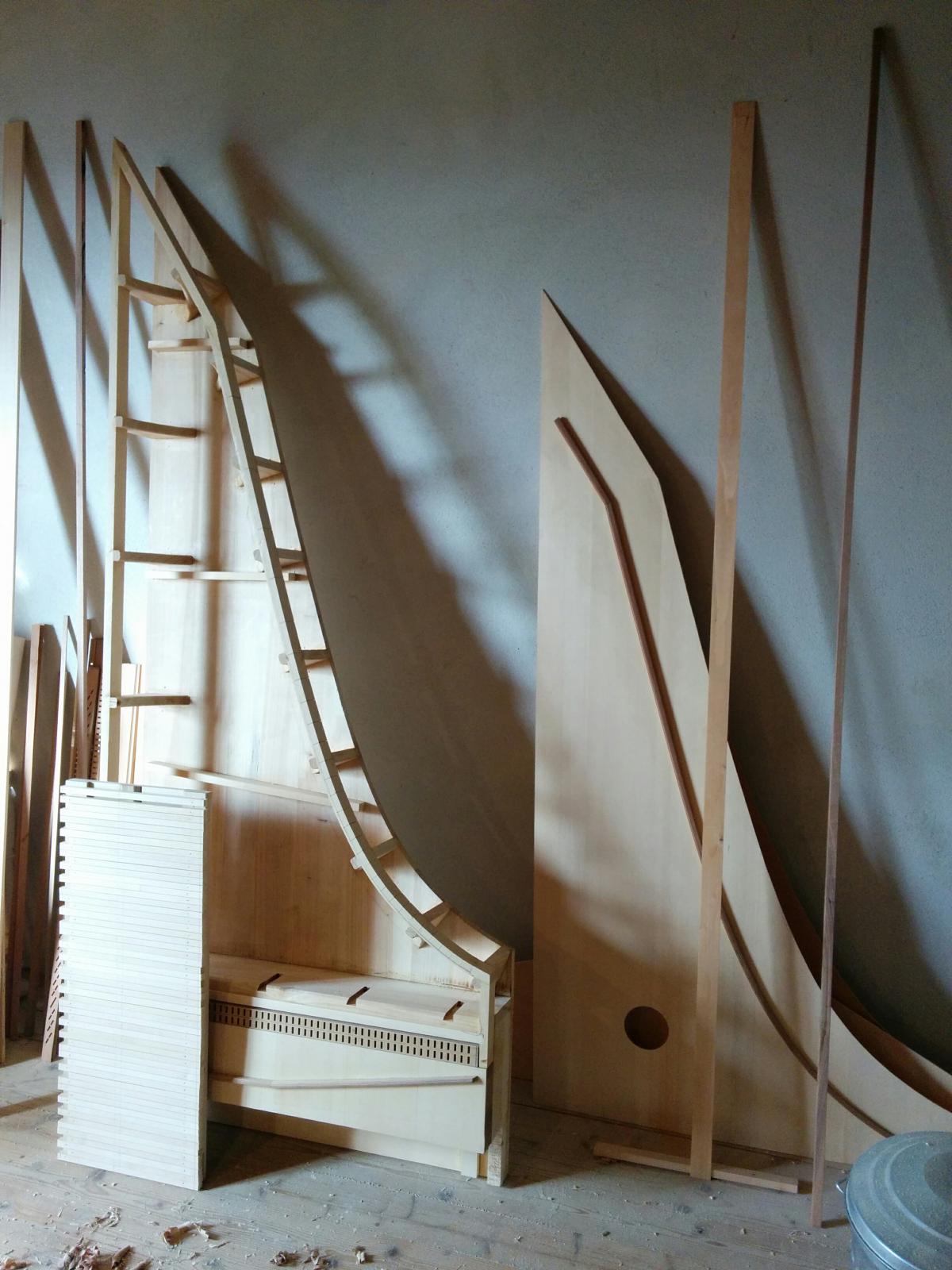
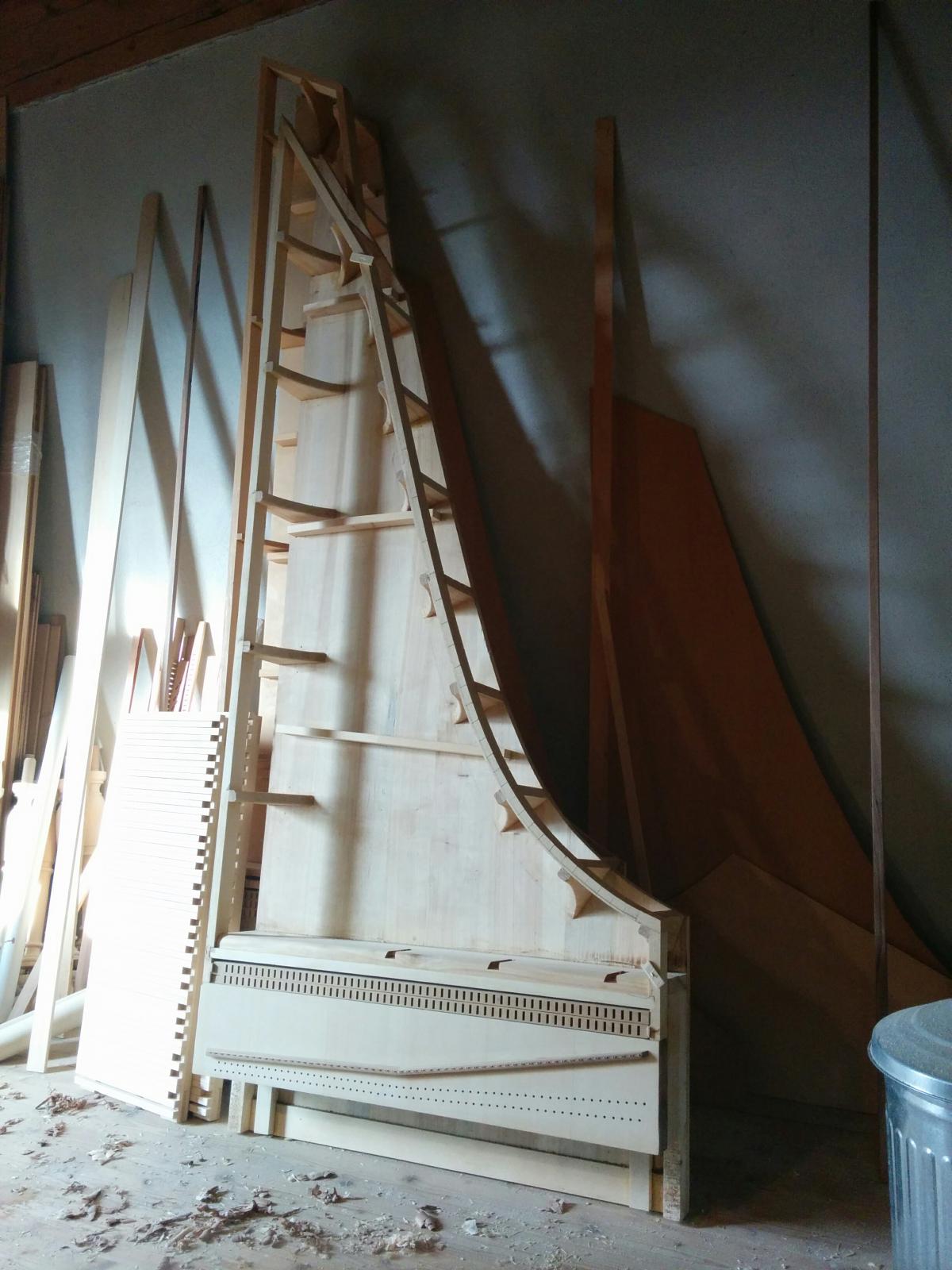
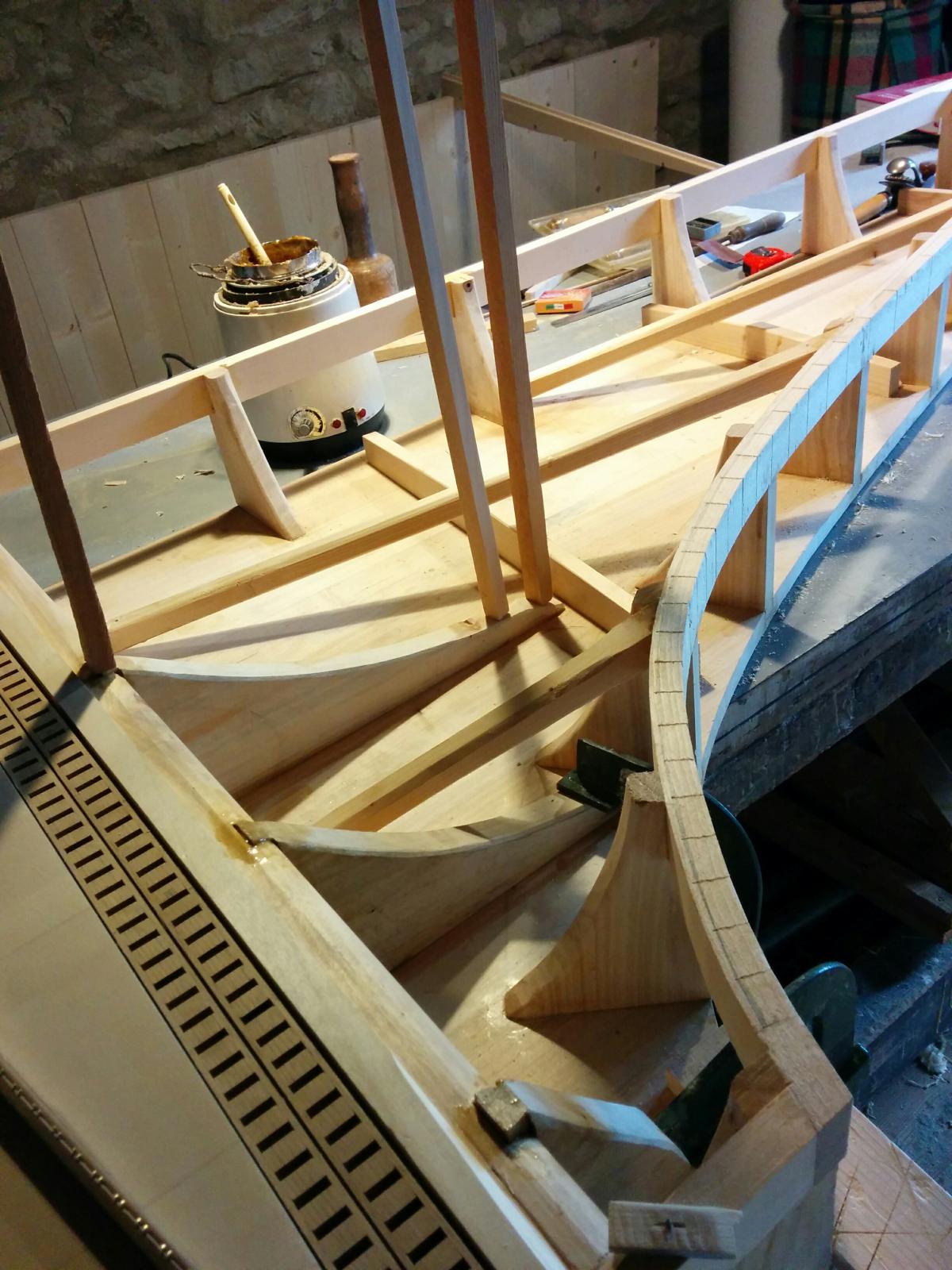
Evening! On Thursday I will go a little further with the clavichord... but today I wanted to show you an open Italian harpsichord, without the sides and the soundboard, some details.
In the second photo there are the frame and the soundboard; in the first we had just made the holes and inserted the pins on both bridges, and made the holes for the legs, in addition to having given a first routing to the board; the last one is from today where we inserted some reinforcements to stabilize the bottom of the harpsichord before putting on the sides and closing the soundboard as well
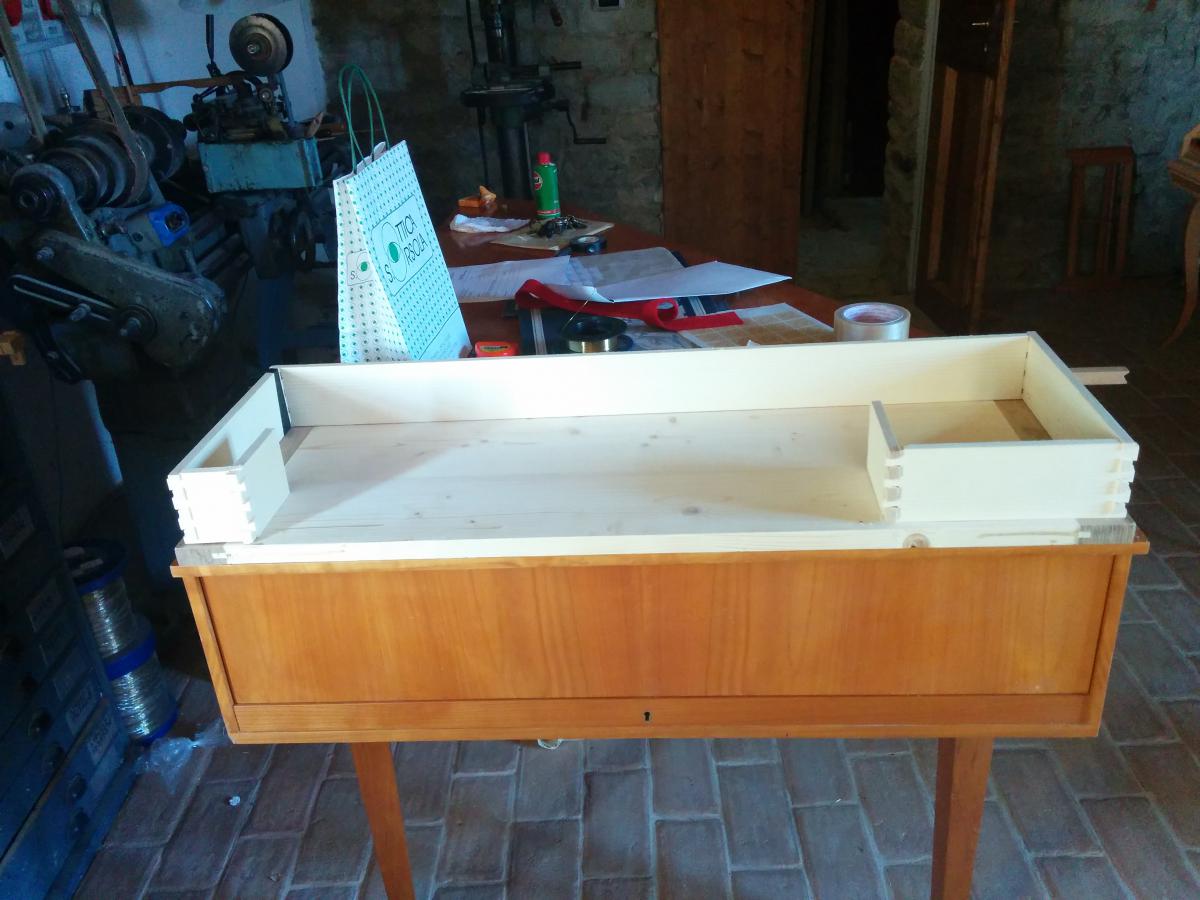
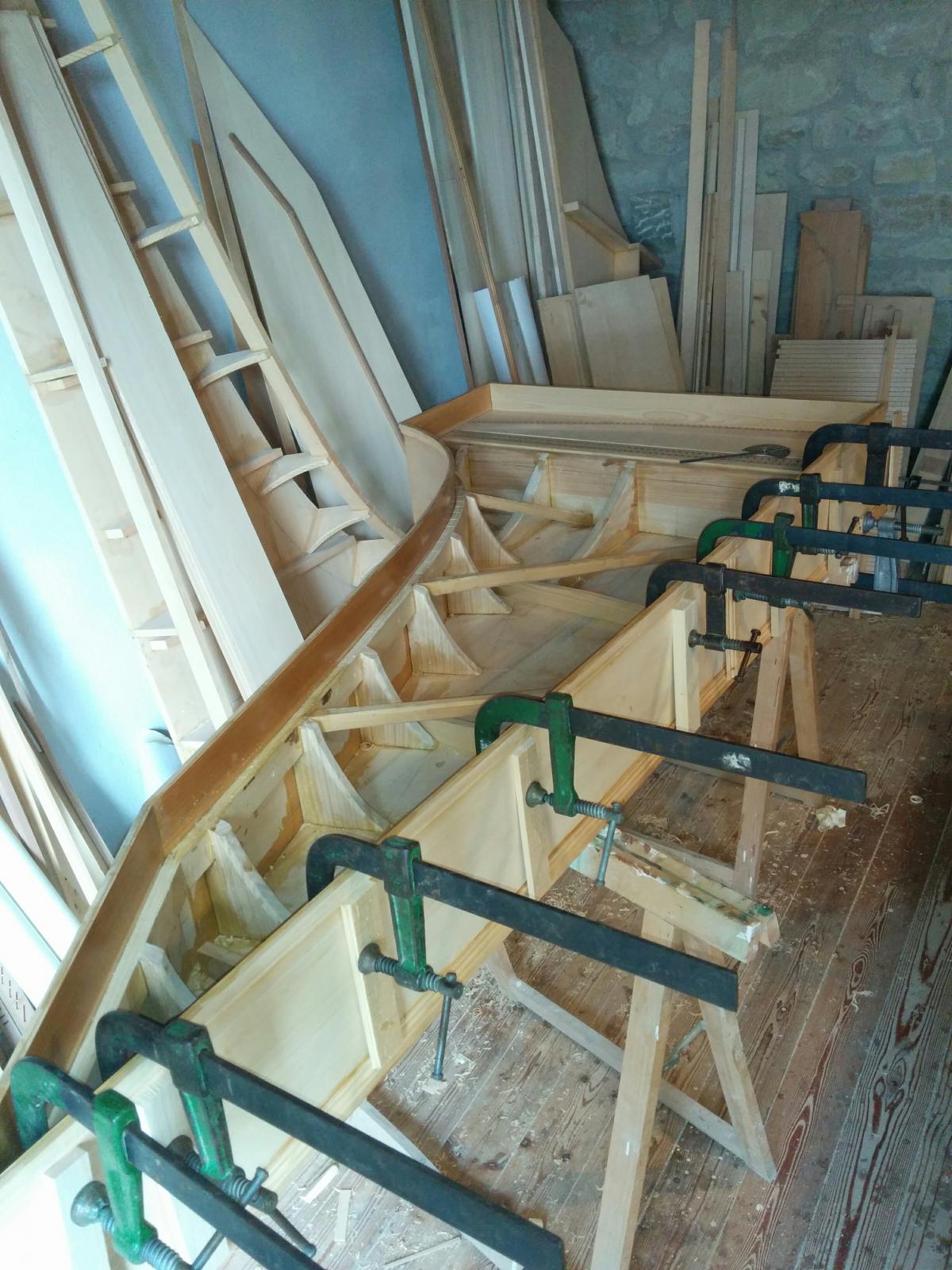
Brief update on the clavichord: today we glued the spruce sides while also gluing the curved side of the harpsichord's outer case, now we have to wait for them... both to dry
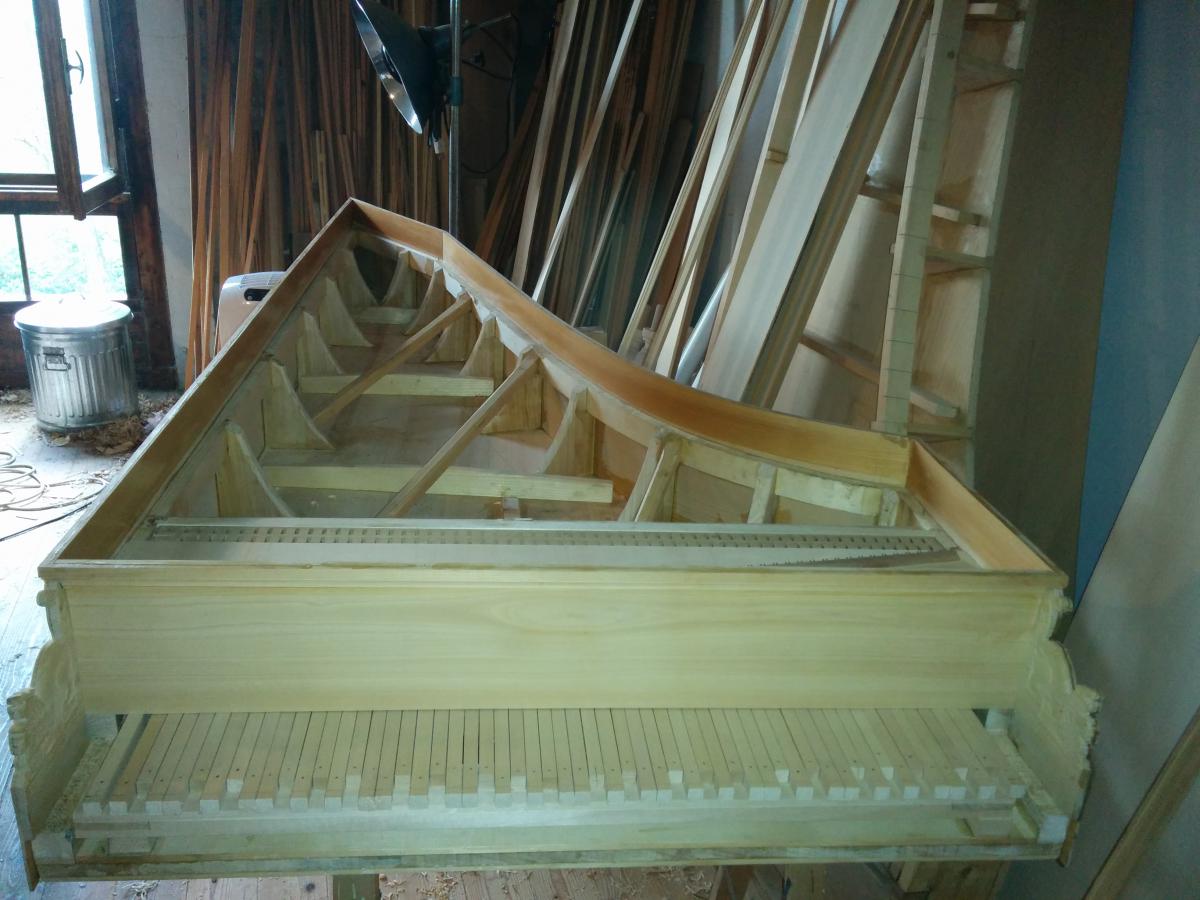
Brief update, regarding the clavichord I am currently at a standstill, due to a harpsichord under construction that is significantly delayed... but I want to show you the current state of the instrument, as of today.
The harpsichord is a not very faithful copy (at the client's request) of a 1584 harpsichord by Nicolò Albana, Neapolitan, which was heavily reworked in the mid-1600s to adapt it to basso continuo; the copy is much more similar to the current state of the original with some modifications... In an attempt to make it sound a bit better than the original. If anyone has questions... feel free to ask.
I am leaving for vacation, I'll give you a small update in the meantime: I have resumed working on the clavichord by hand; I repaired the side with fir wood strips and then planed everything until it reached the correct height; when I return, I will cover the whole thing with 5 mm of walnut. As for the harpsichord, it is also progressing well.
Yesterday we started working on it; this week the keyboard will be finished and the jacks will be prepared.
I'm making a little OT (off-topic) post from the clavichord under construction, which is still on hold for a few weeks due to the harpsichord currently in the decoration phase; I would like to let you hear a harpsichord built 40 years ago by the same harpsichord maker who teaches me, a copy of an Andreas Ruckers, Flemish, from the mid-1600s, unique, with two registers, one of 8' and one of 4', whereas today they are almost always built with two 8'... The instrument sounds like this; it is still in the voicing phase, but it is now almost ready.
Yesterday I found myself having to tune the instrument I usually play... a copy of a 1776 Stein, an interesting experience!
In a few days I will write some updates about the clavichord; now that the other harpsichord is finished, I have more time and I have also found the wood to finish the sides of the instrument!