

Thank you

Member
Reply 61 by magnalf
- Posts
- 56
- City
- Correggio
Technical problems and their resolution
Started by
Member
Member
Thank you
Member
Yamaha pianos from the eighties all have the problem of broken strings due to the use of an inferior material. I have already changed many. It is always better to change them all because sooner or later it will also happen to the others that are not yet broken. After a certain year, Yamaha changed the material of the strings and they no longer break.
Member
This news is very interesting. Since you have changed many strings on the Yamahas, what do you think of the work I did?

Moderator
Greetings to Hans, who tells us about his experiences from so far away and stays close to us with his opinions. This information about the strings was not known to me.!!
Member
The noble art of piano preparation includes among its points of highest expression and difficulty the shaving of the hammer felt.
No professional hammer sounds without shaving (sometimes multiple), which must be evaluated individually for each piano.
Steinway & Sons teaches the way.
Member
If they hold well, you did your job right. I do it in a way that takes me 3 hours for everything. The trick is not to completely disassemble the mechanisms but only to unscrew the hammer (Yamaha has small screws to fix the hammers where the axes are located). You can leave them hanging while you do the work on the strings. By avoiding disassembling everything, you save a lot of time.
Member
Greetings to Hans, it is a pleasure to share your experiences.
I haven't disassembled the entire action either. Look at the photos I took.
Member
Hi everyone, I recently became the owner of a Yamaha SU-118C piano which was given to me as a gift; I believe it is from the very early 80s if not older. I have the same problem with the strings, they have practically pulverized. Could you help me find the cotton string to restore them? I have included some photos of the piano after the aesthetic restoration I did myself; it was in terrible condition?
thanks for the help
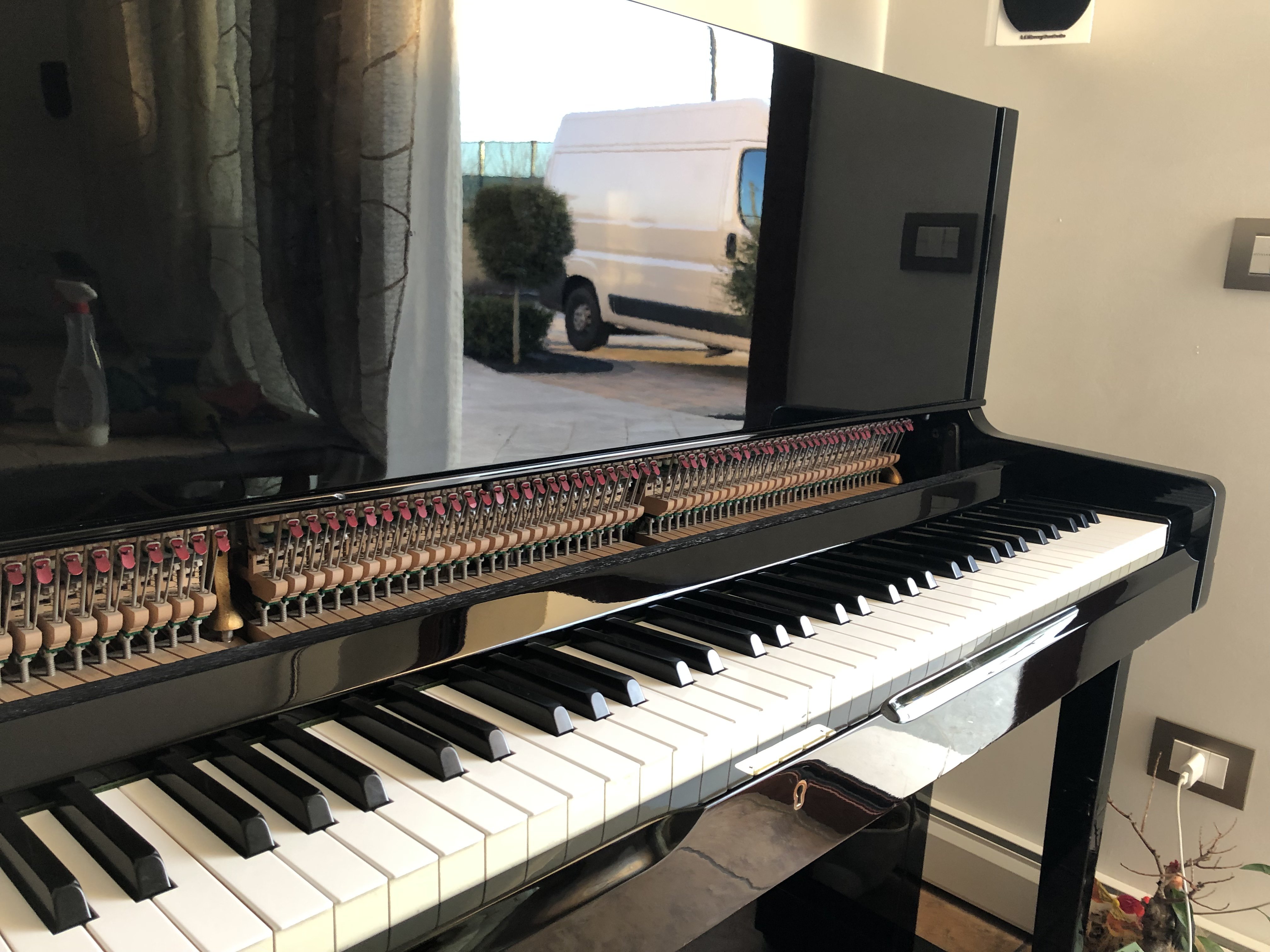
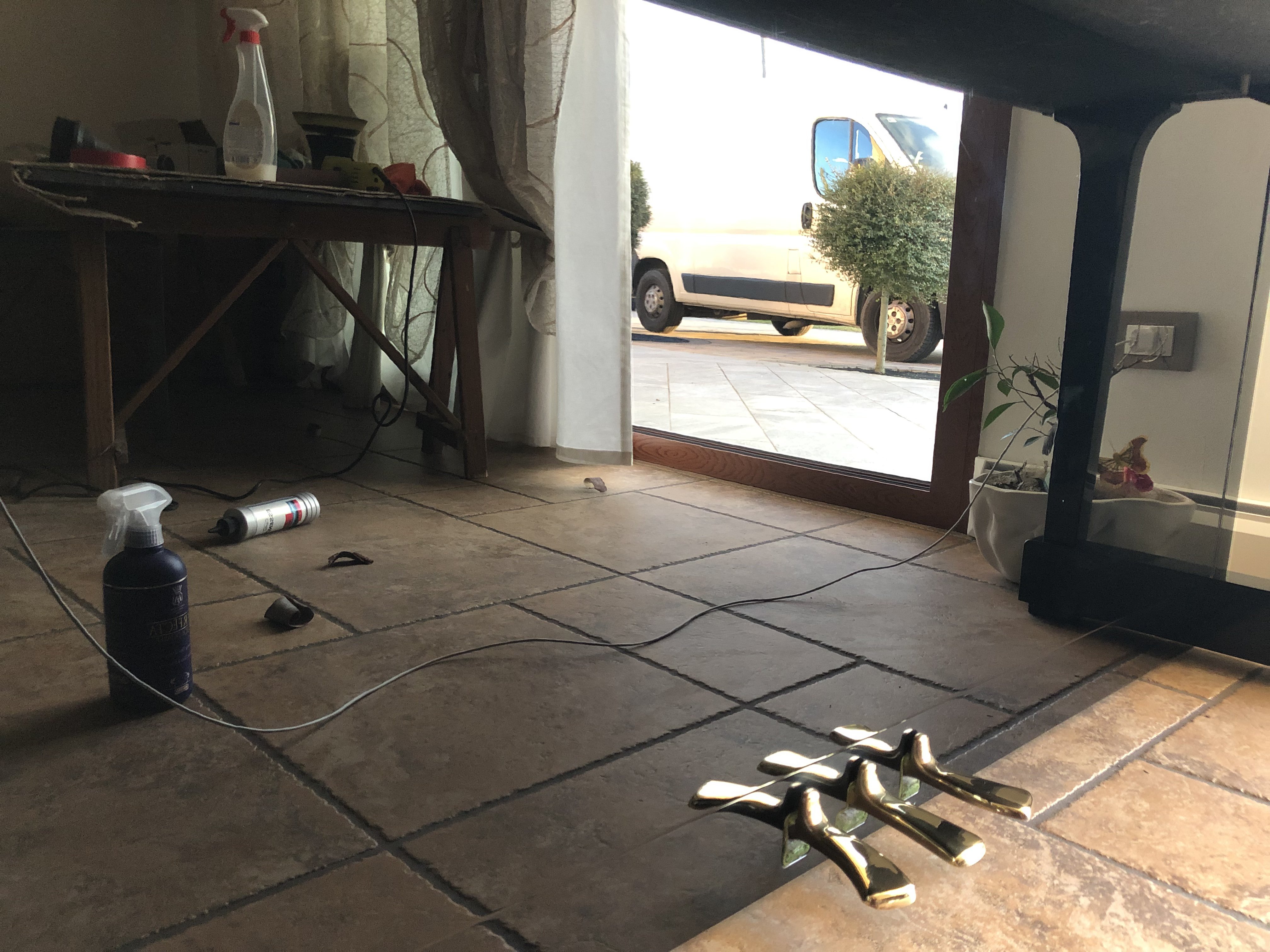
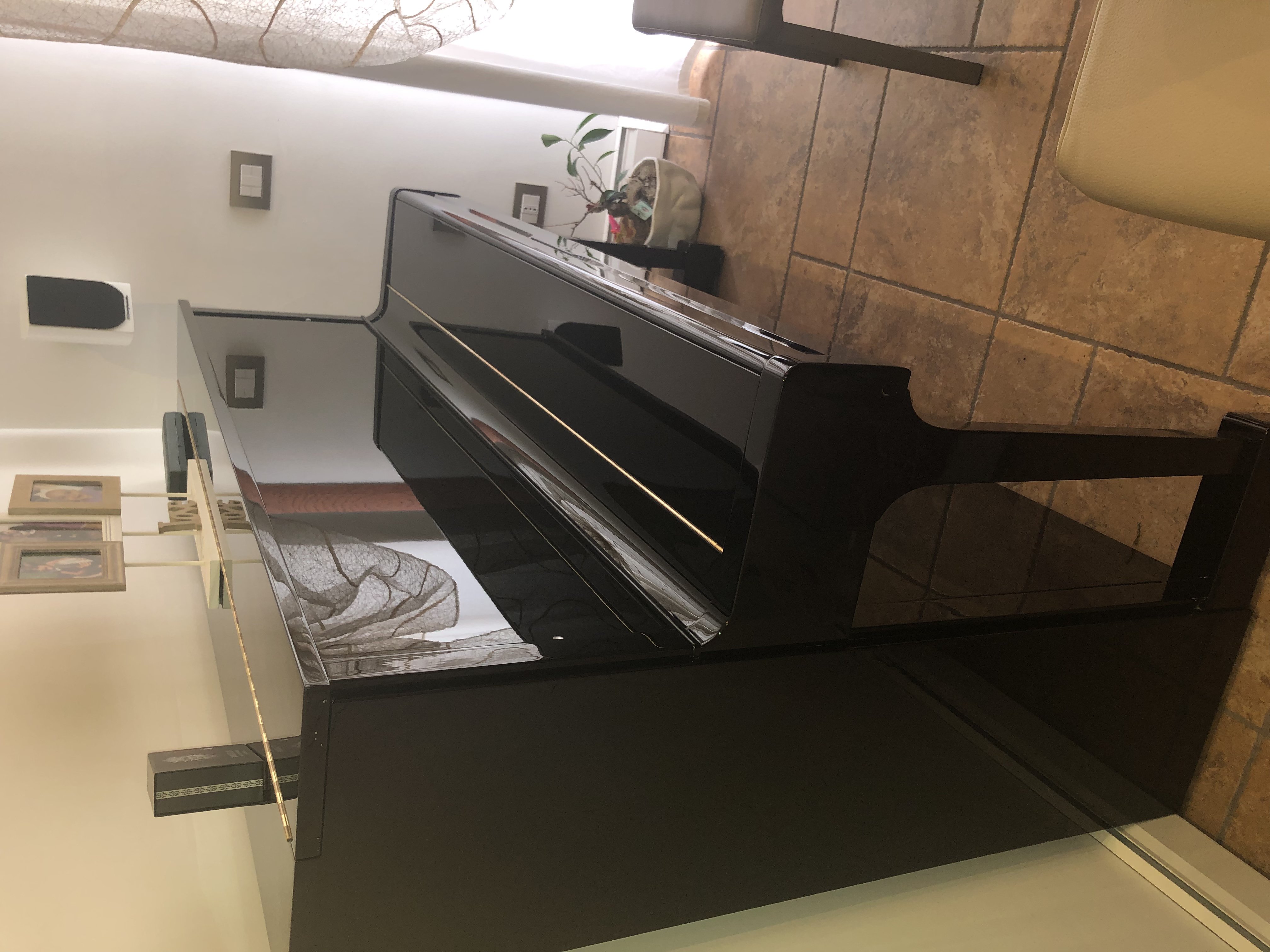
Member
At the supermarket, a ball of kitchen twine cotton (the thick grey one)
hi
Member
Hi Simone, I used a cotton purchased in a yarn shop. It's a twisted thread with a diameter of just under one millimeter. You can see it in the previous photo, wound on that cardboard to make pieces of perfectly equal size.
Member
Thank you all, so today I purchased some thick cotton thread like the original one, black (the color doesn't matter much, that's what was available).
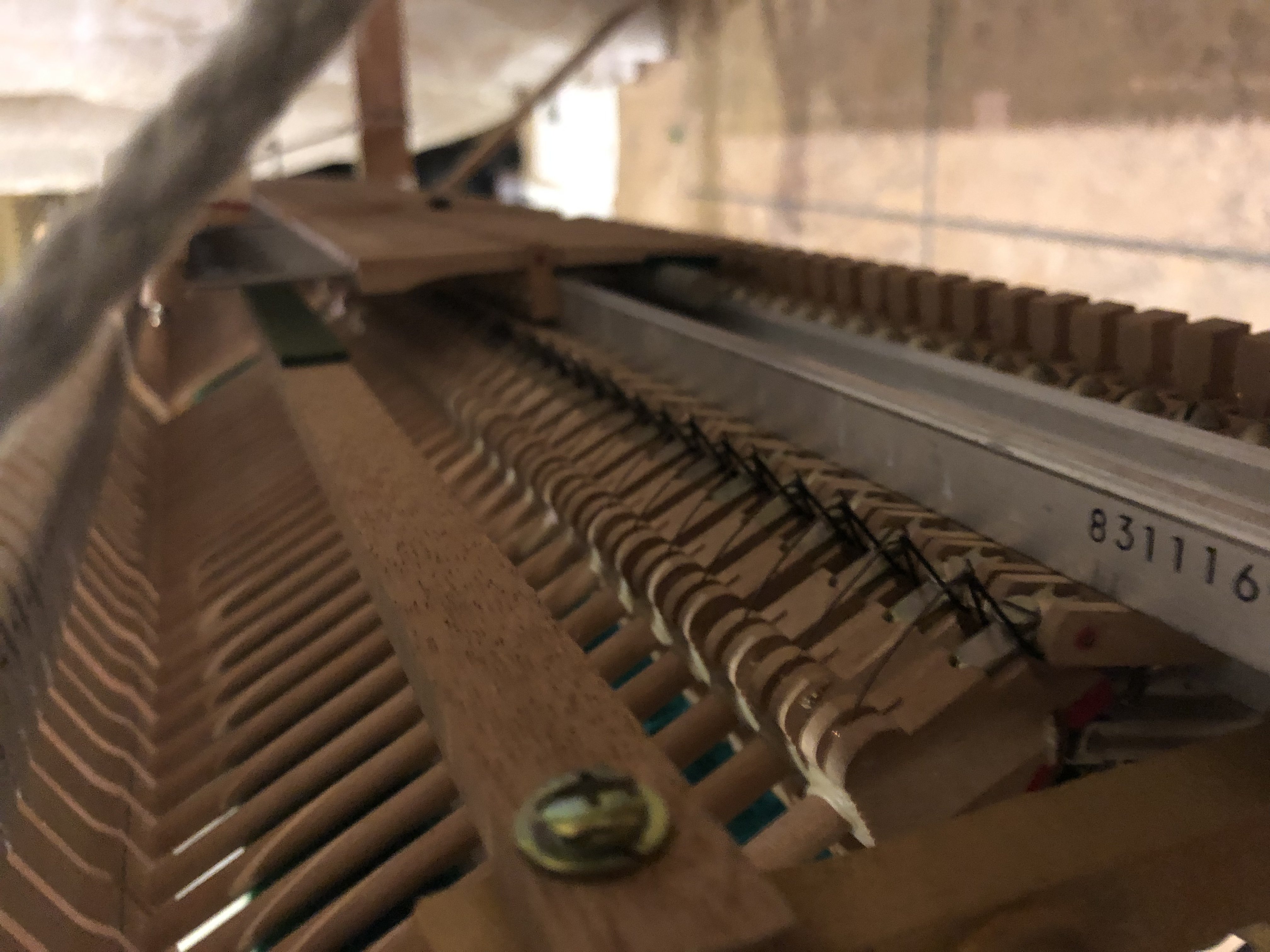
I managed to do the work on all the forked parts, since they were all broken, they were melting in my hands, I don't know why; however, I missed an important piece of advice from you and now I don't know what to do: since all the cords needed changing, I started with the high ones and disassembled them all instead of doing one and skipping one, and now I don't know if the hammers are correctly centered; in mine, there was no paper for hammer centering.
I am attaching some photos of the work; I fixed the cord with white wood glue and cotton.
Member
Hi Simone,
I can't see the photos.
It is not important to disassemble them one by one. What is important is putting them back in the right place. Mine were numbered.
Member
If there were no thickness papers, it means they did not require correction
To see if they are centered, check if the string hits exactly the mark that the string had imprinted on the hammer felt.
Member
They are all in their place regarding numbering, but they have a bit of play before tightening the screw completely, so it could be that some hammers don't strike where they used to. I don't know if this is a problem; when mounting them, one was touching another in the action, so I gradually fixed them so they wouldn't touch each other.
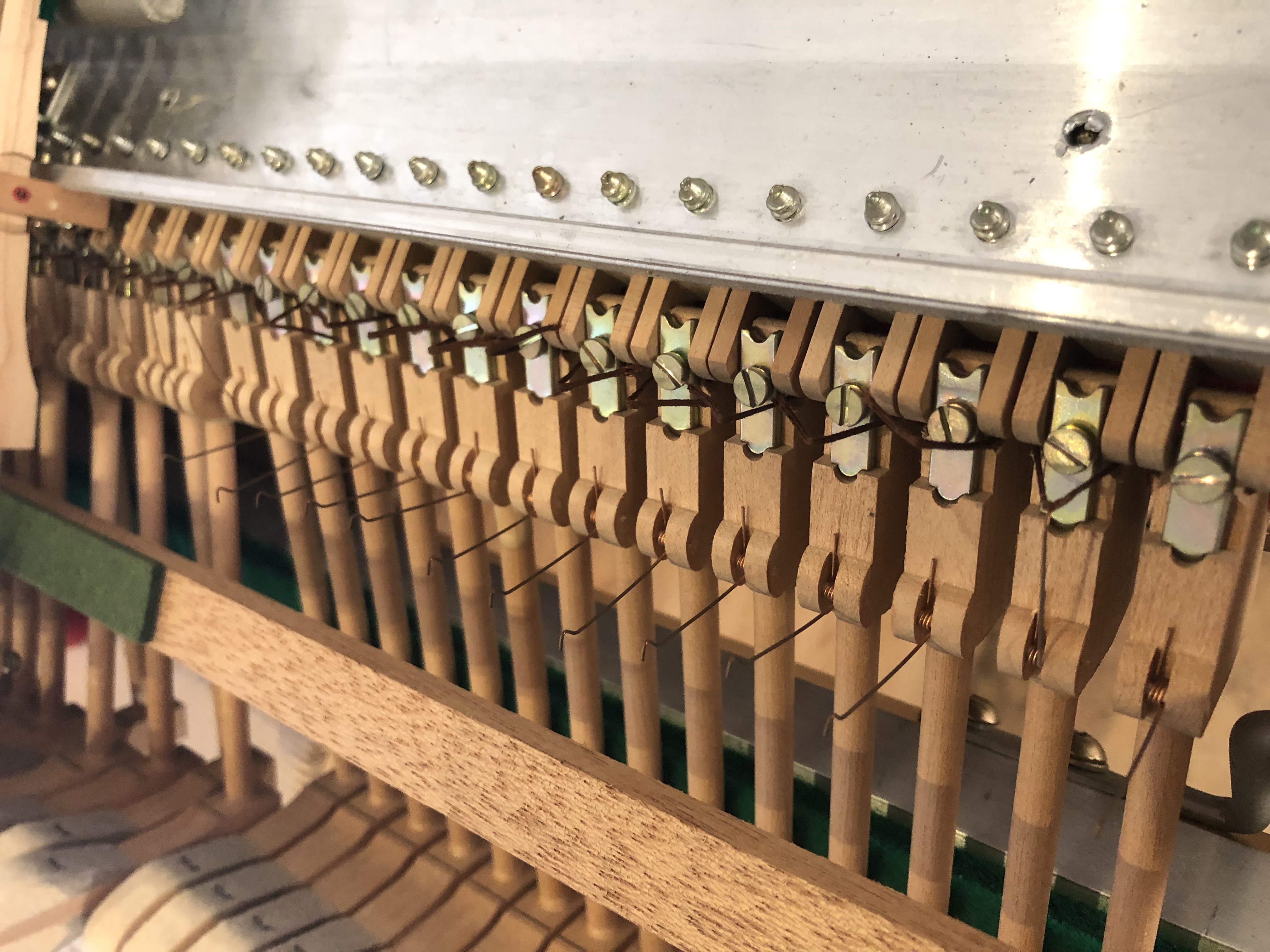
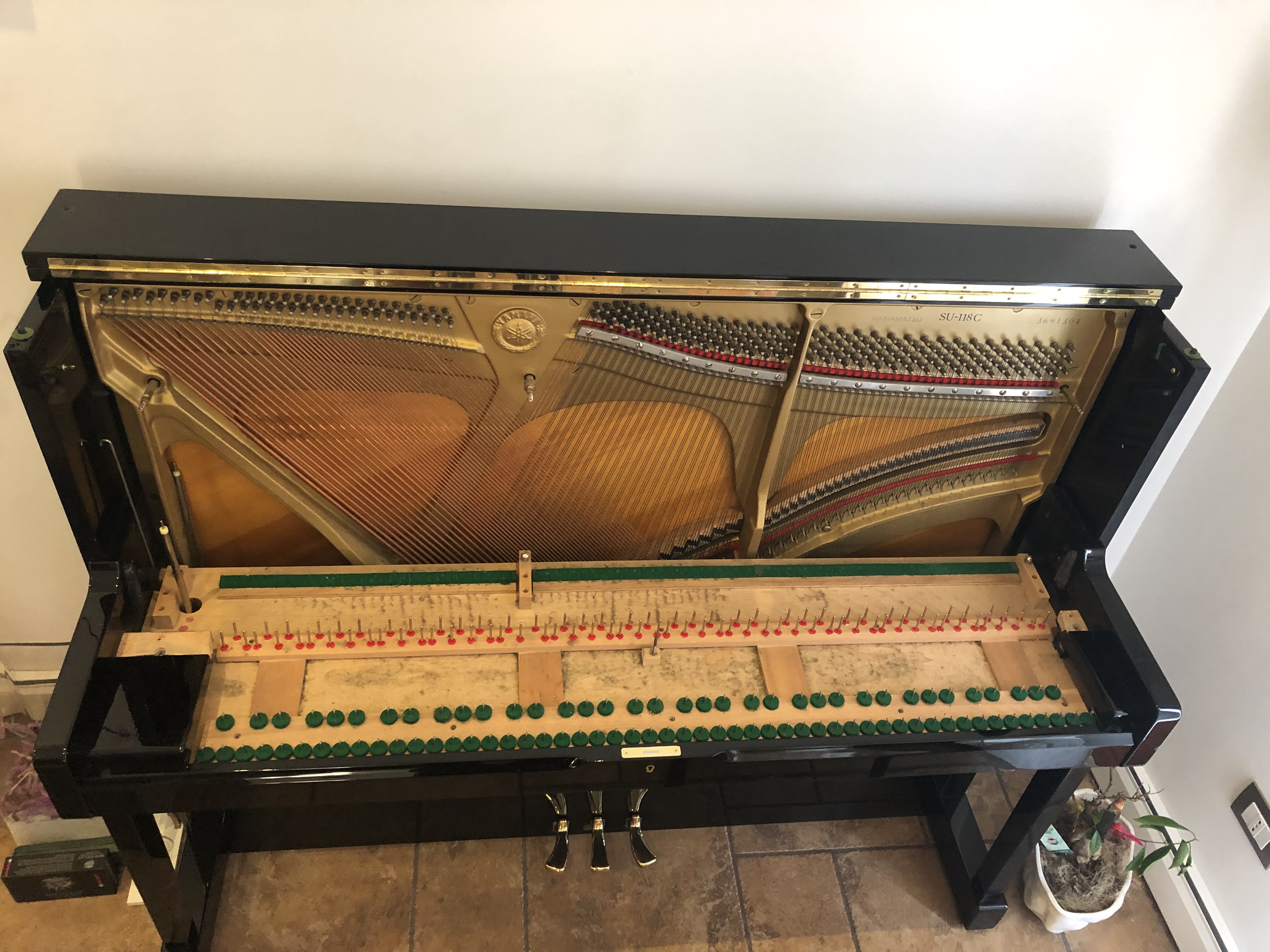
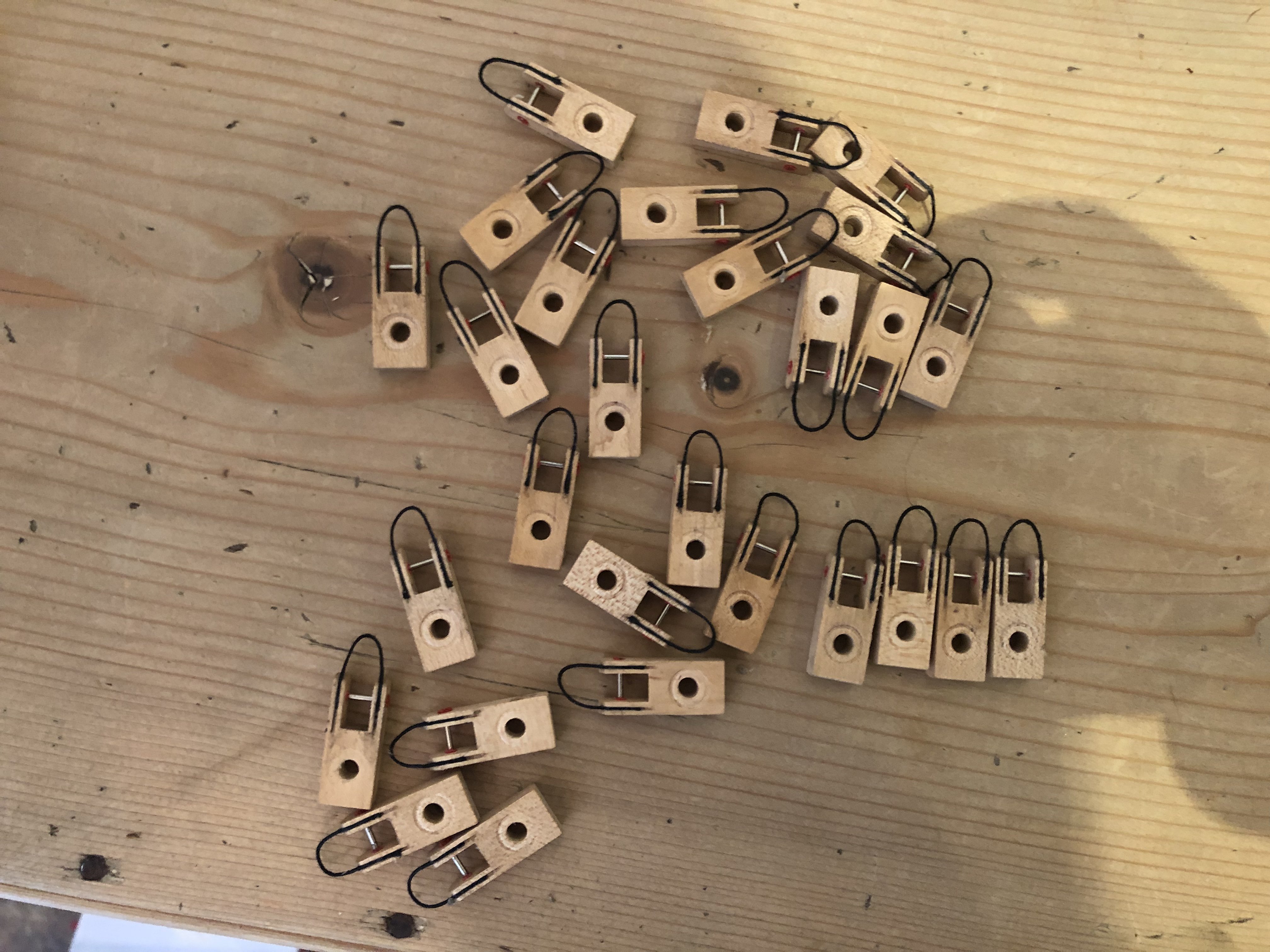
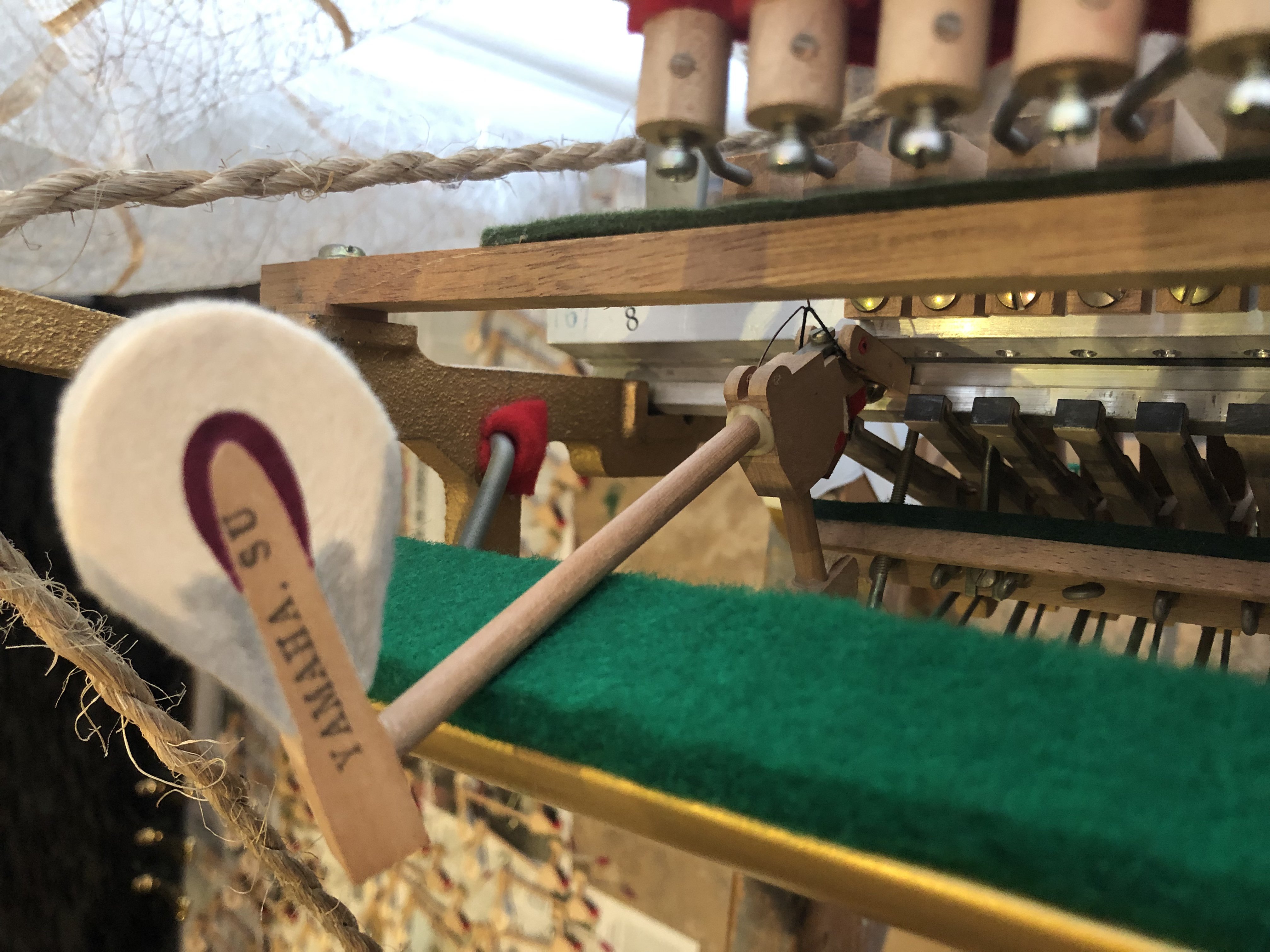
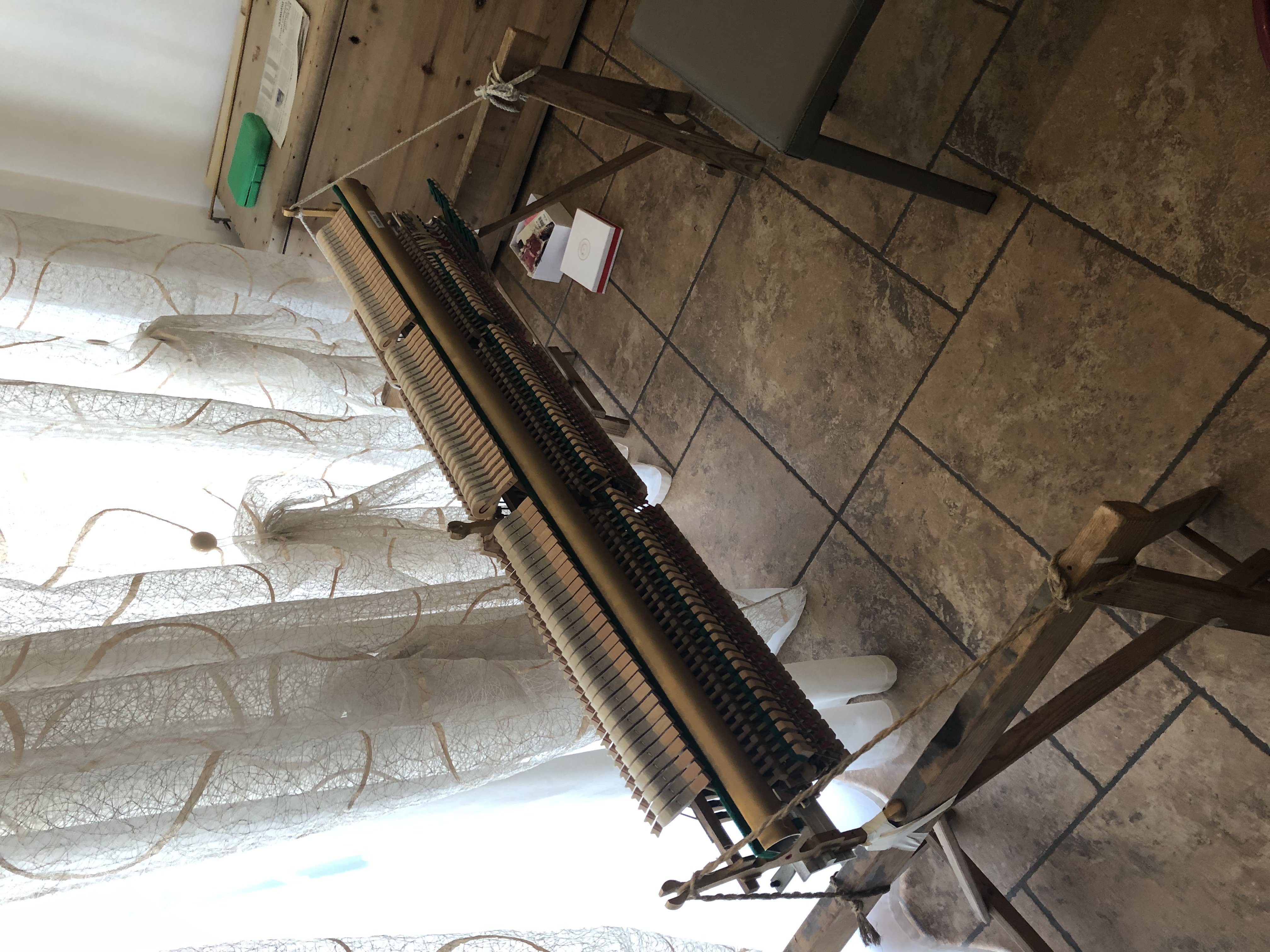
Member
magnalf wrote:2 minutes ago, magnalf said:
If there were no thickness papers, it means they did not require correction
To see if they are centered, check if the string hits exactly at the mark that the string had imprinted on the hammer felt.
Ok, what procedure should I adopt to do this? Should I move them closer with my finger? Because when striking the key they touch but then move away a little bit.
Member
Yes, move it closer manually